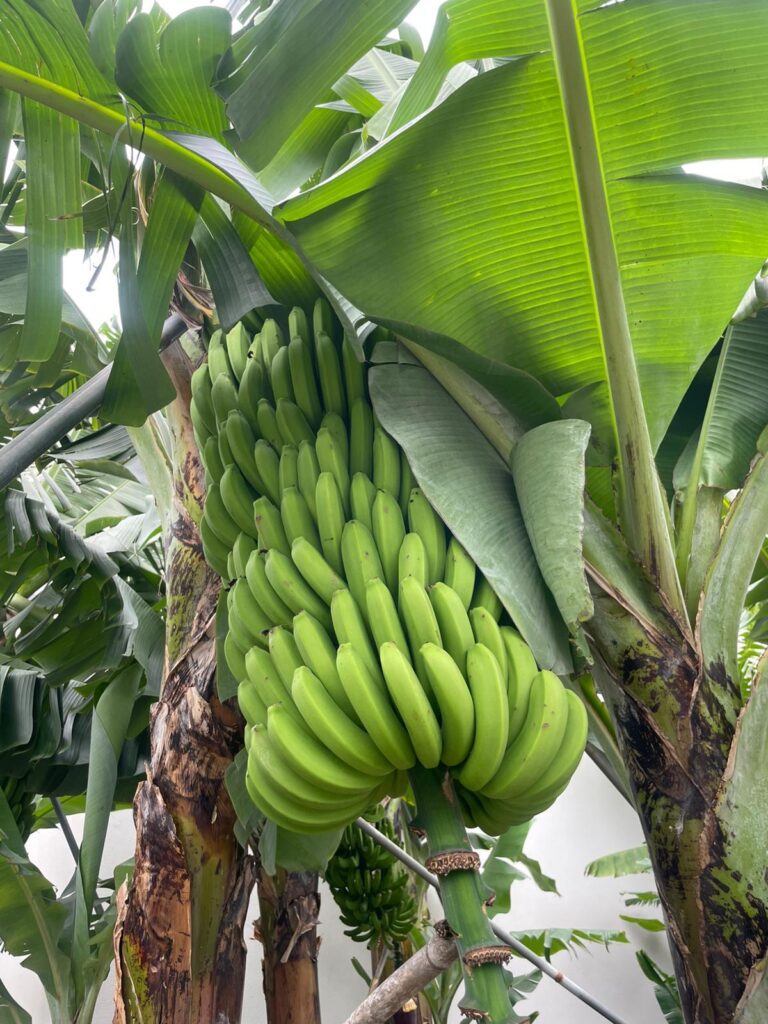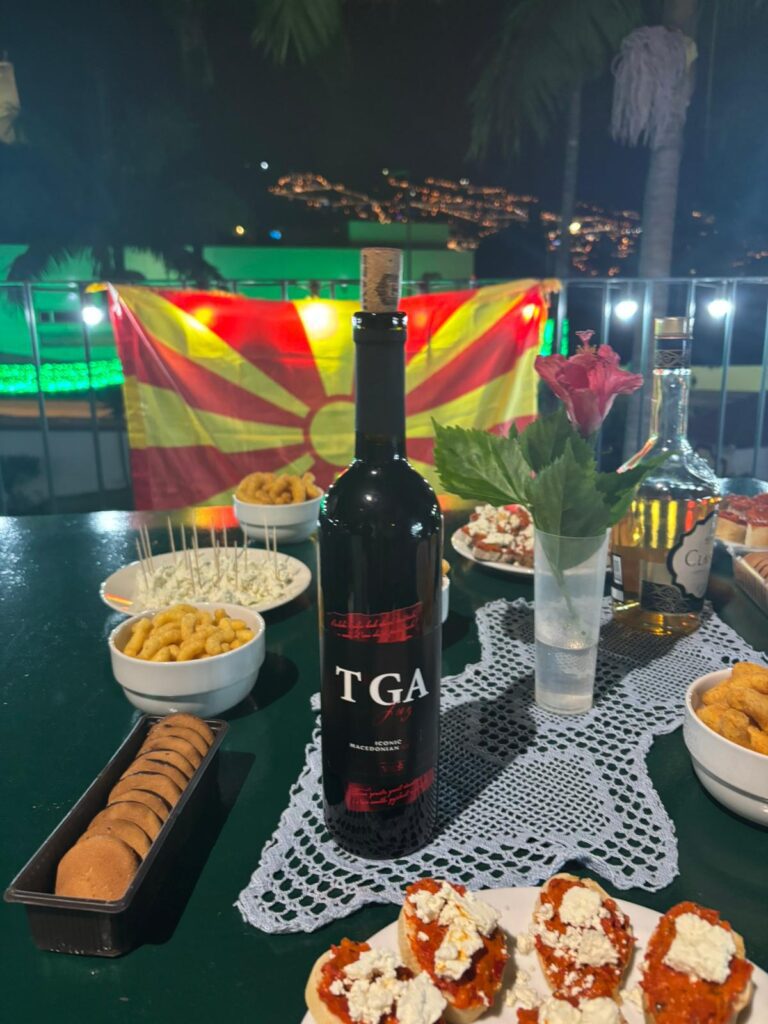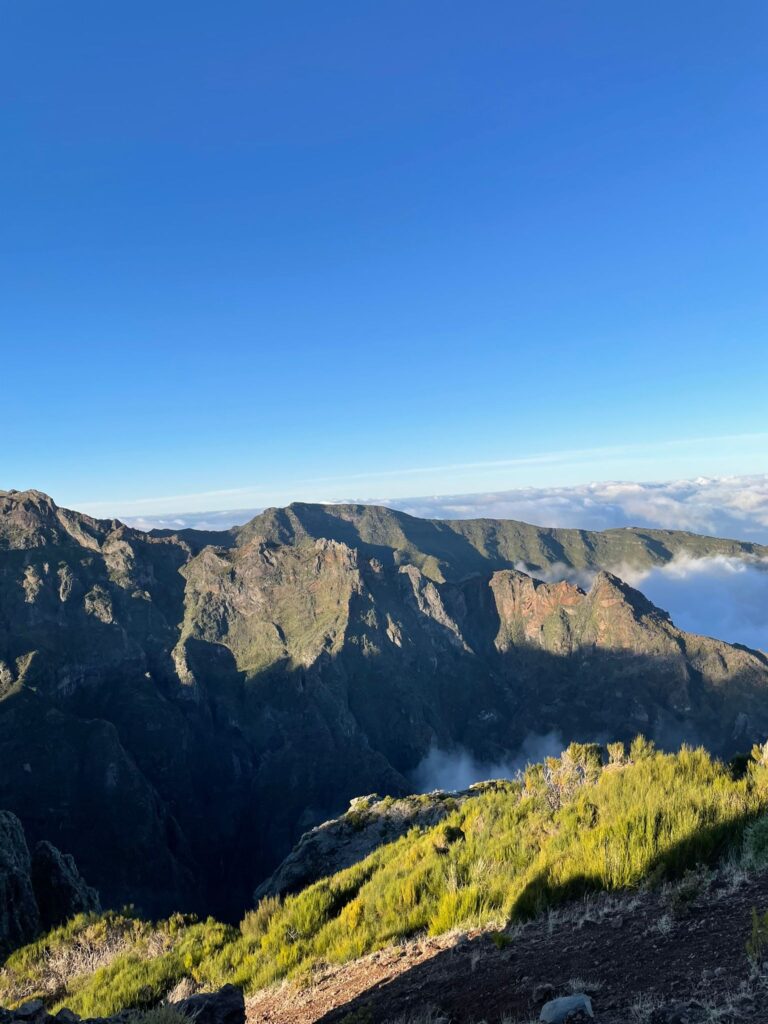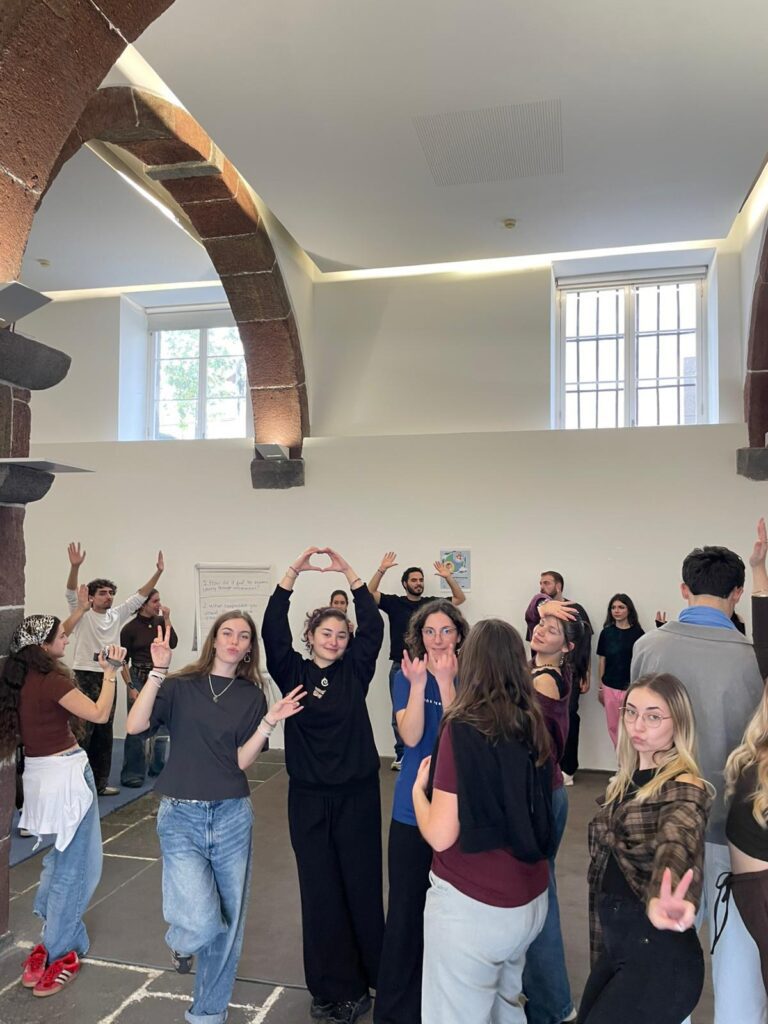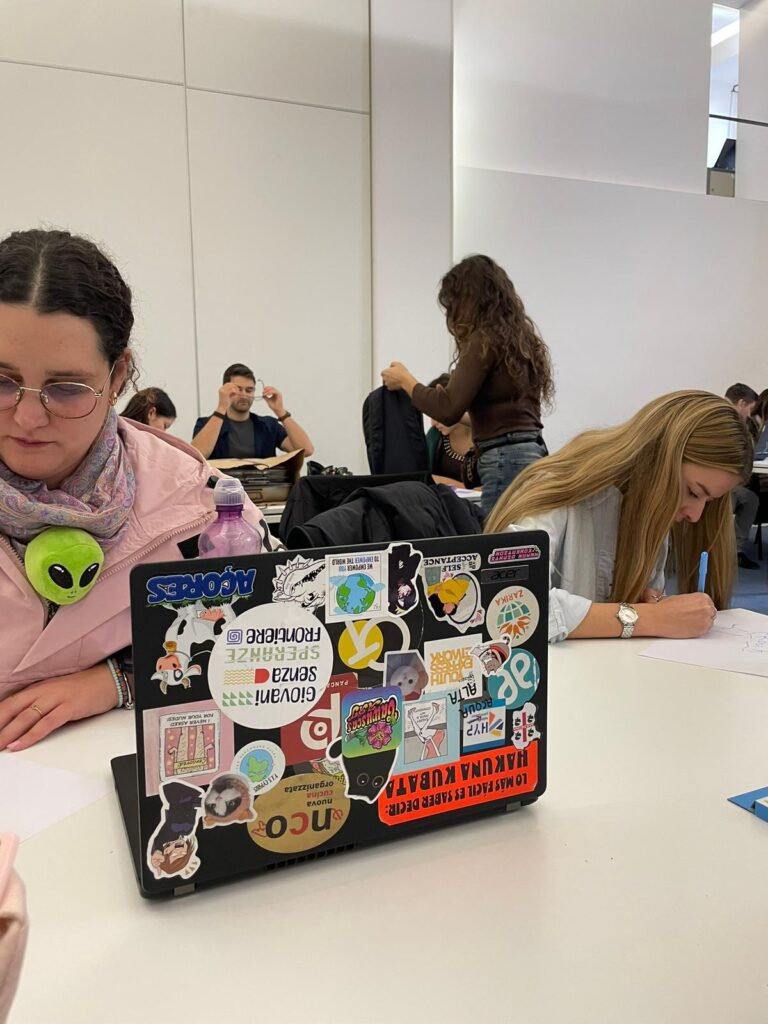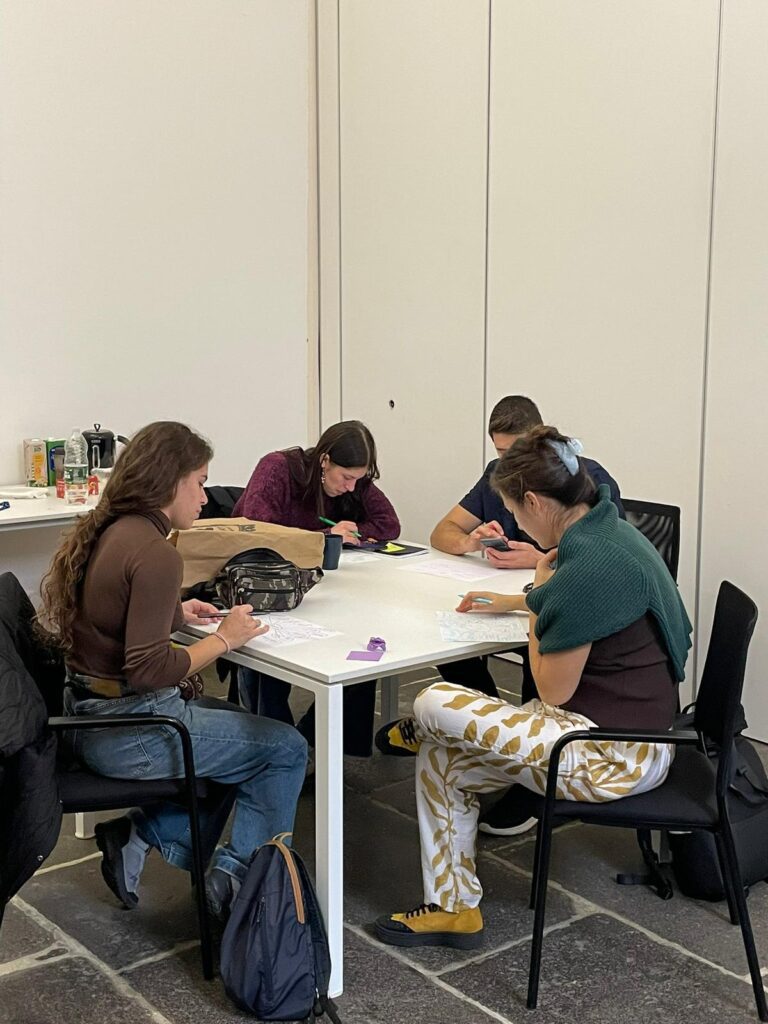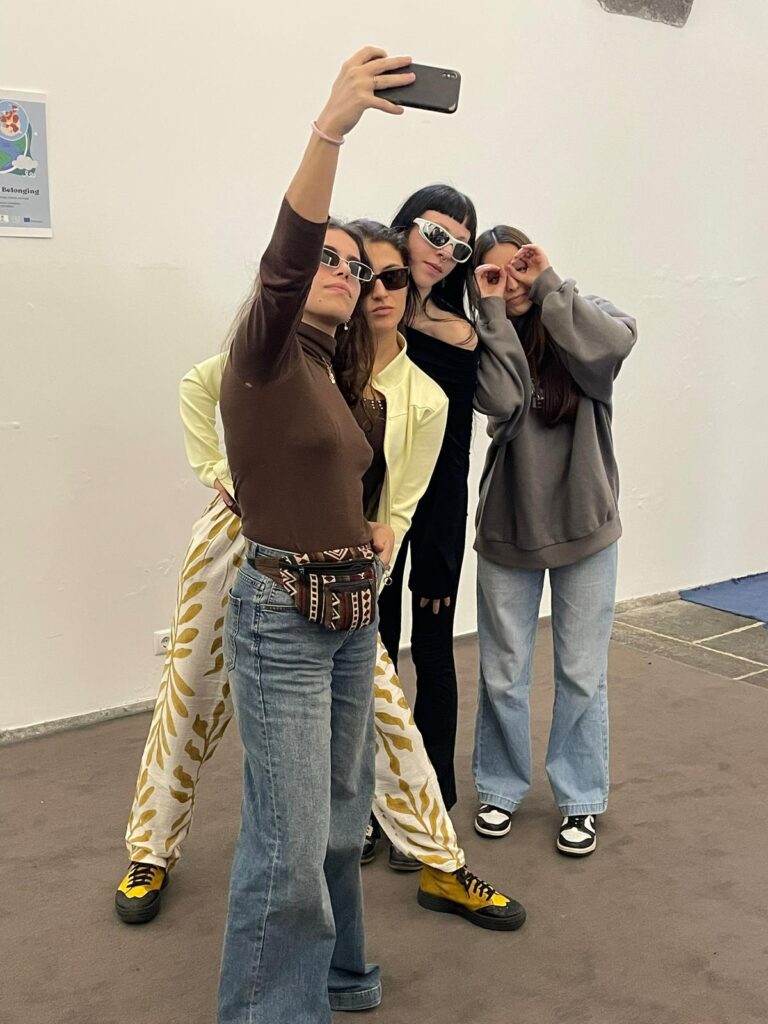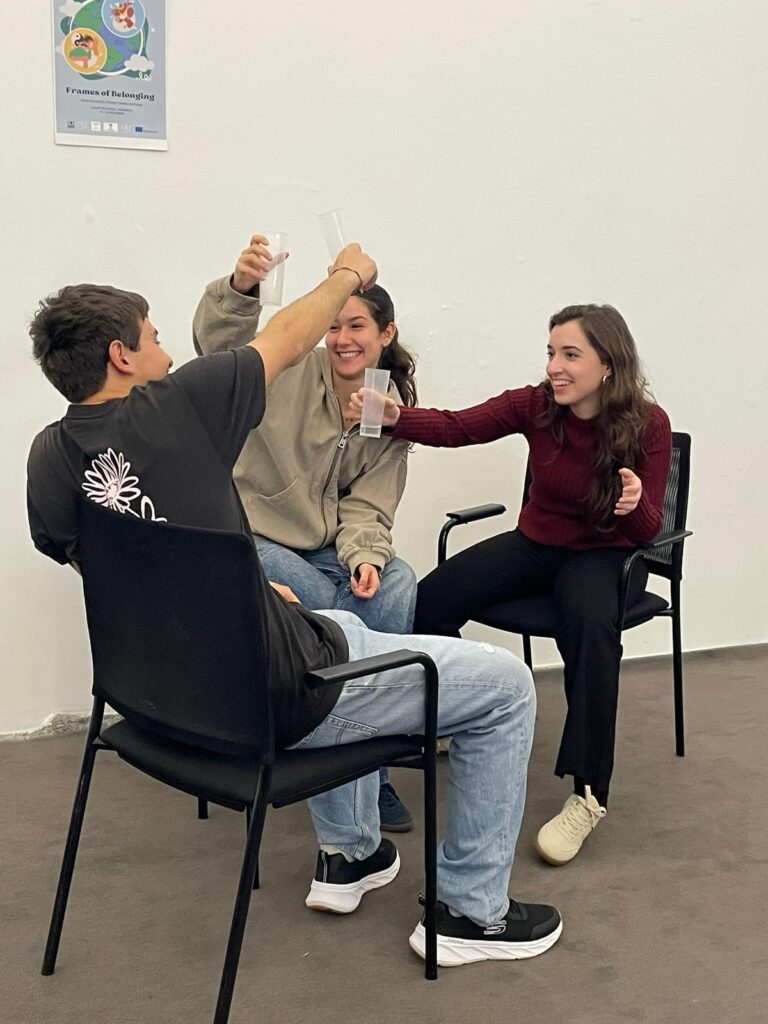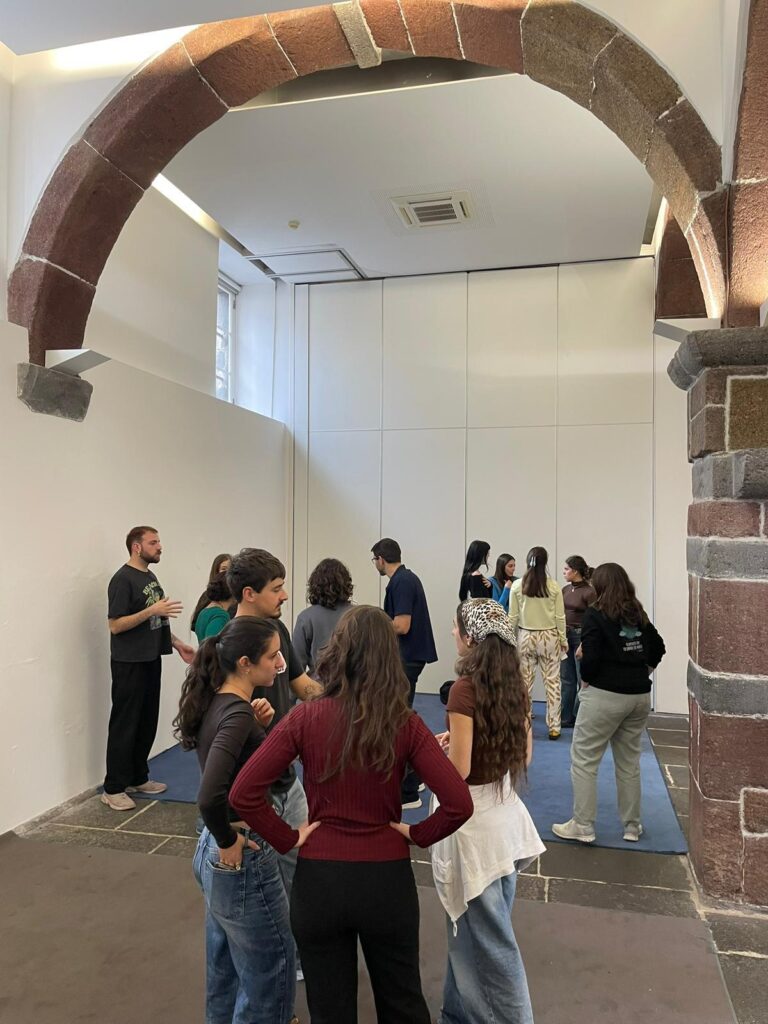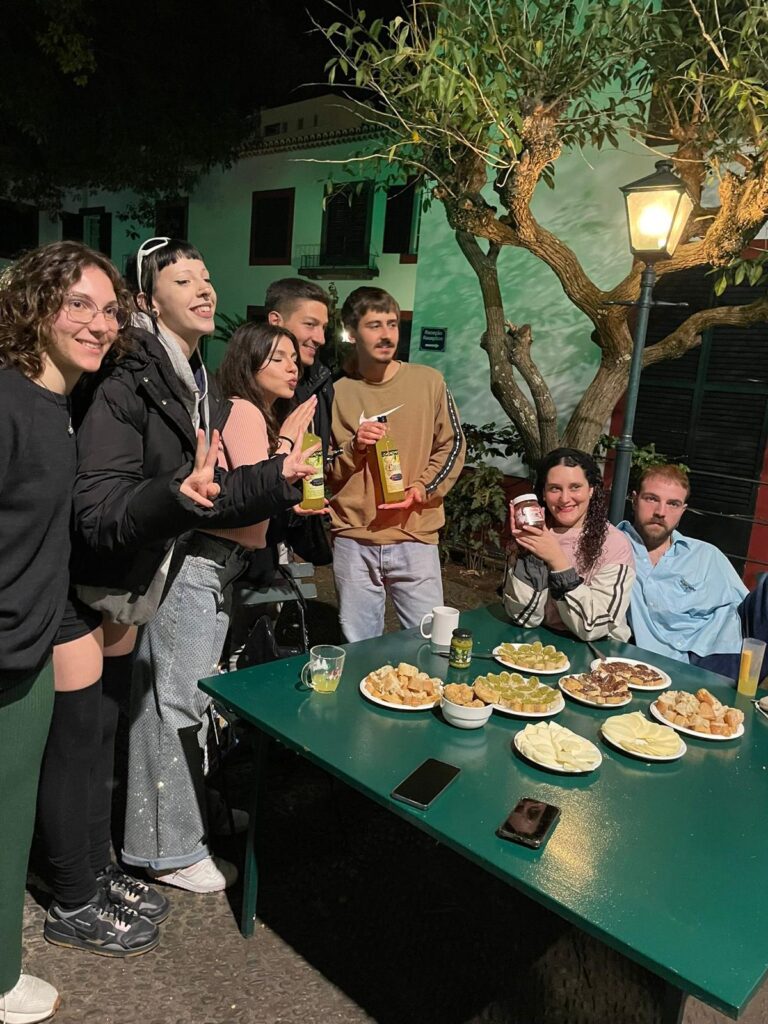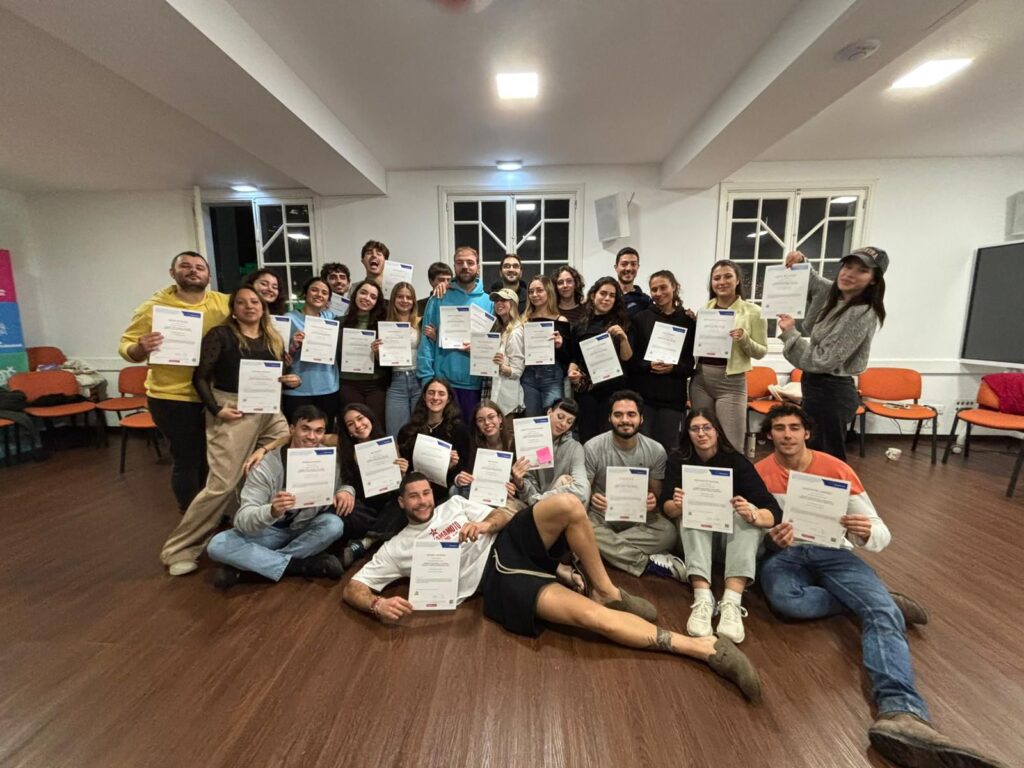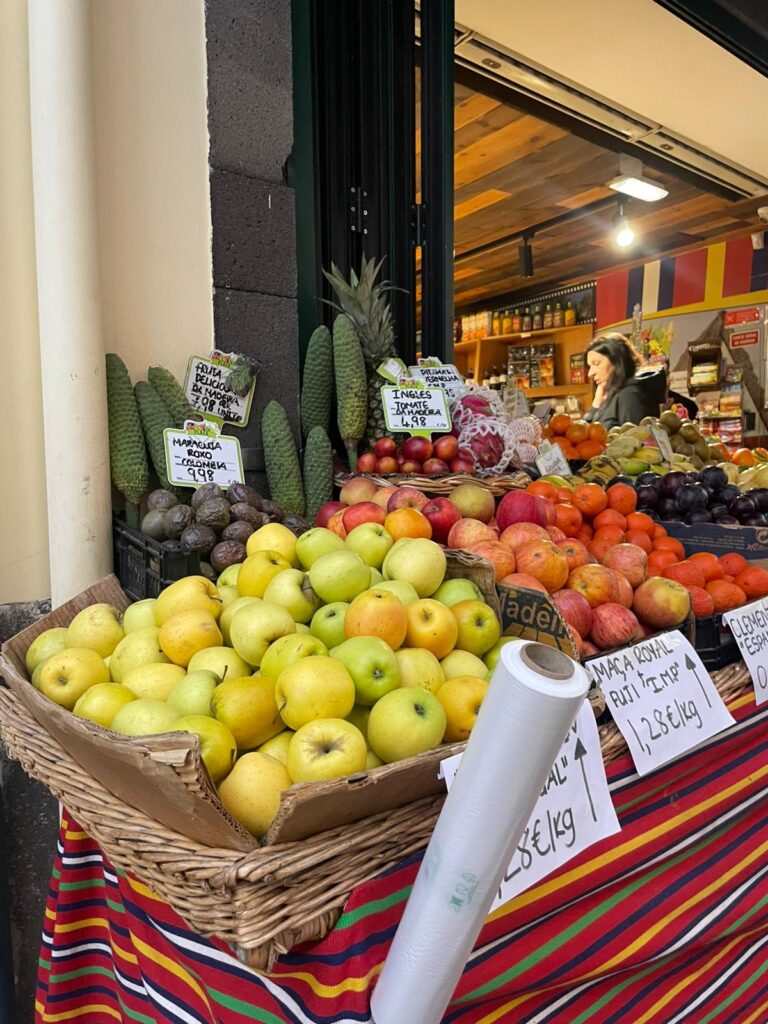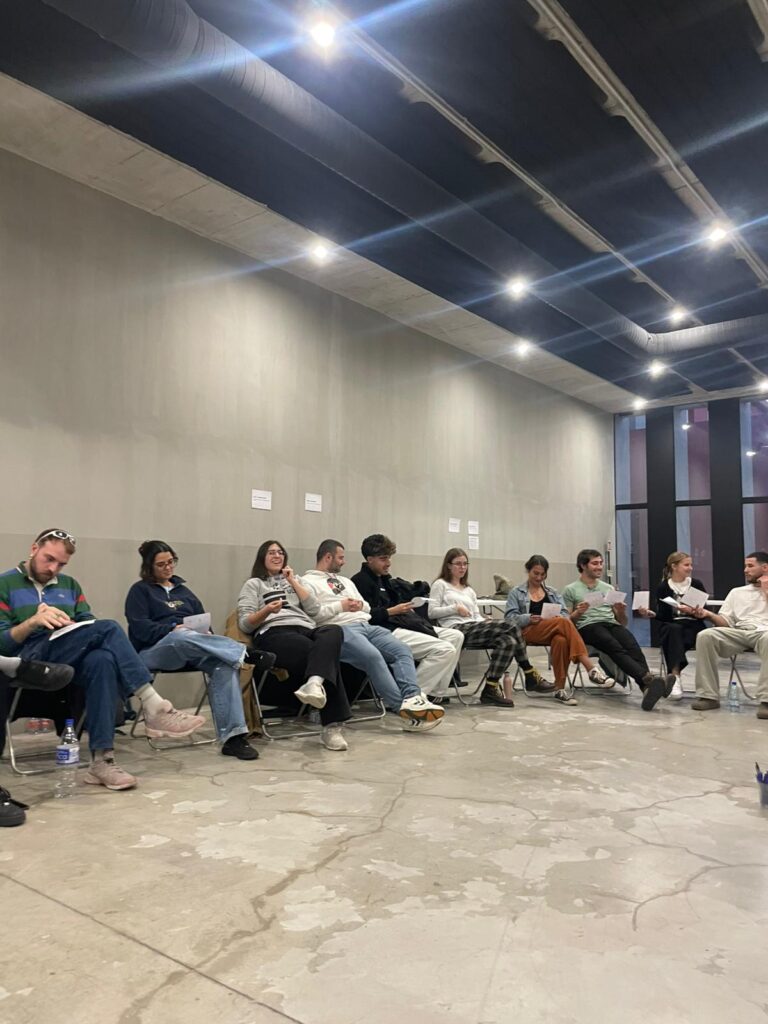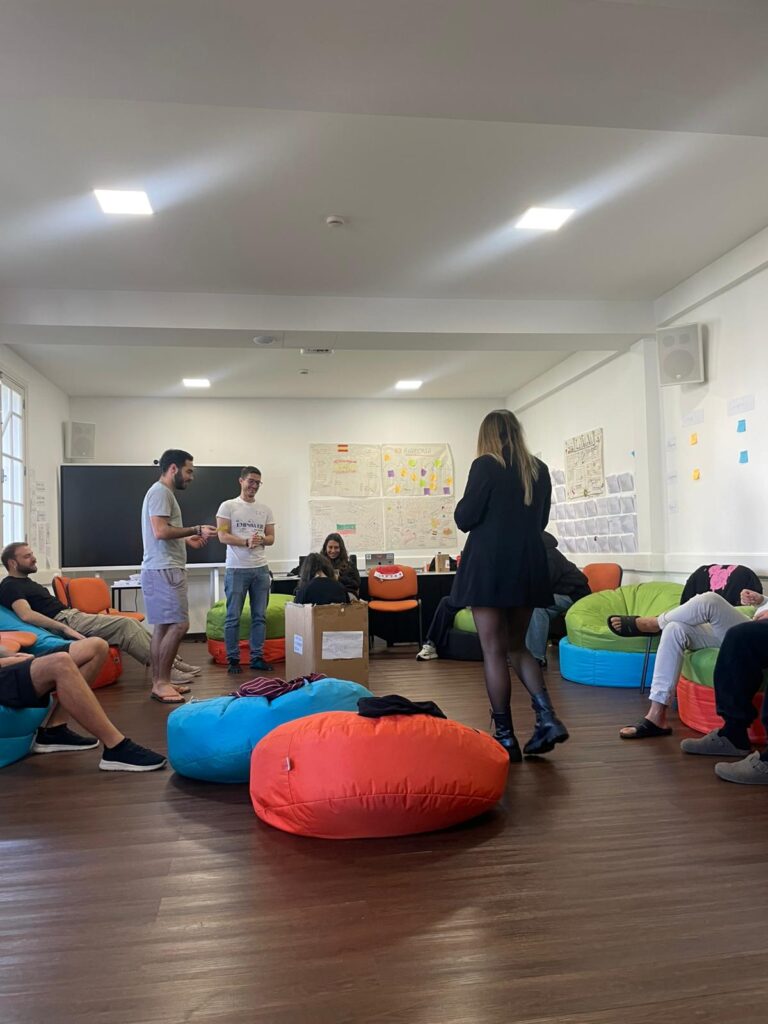
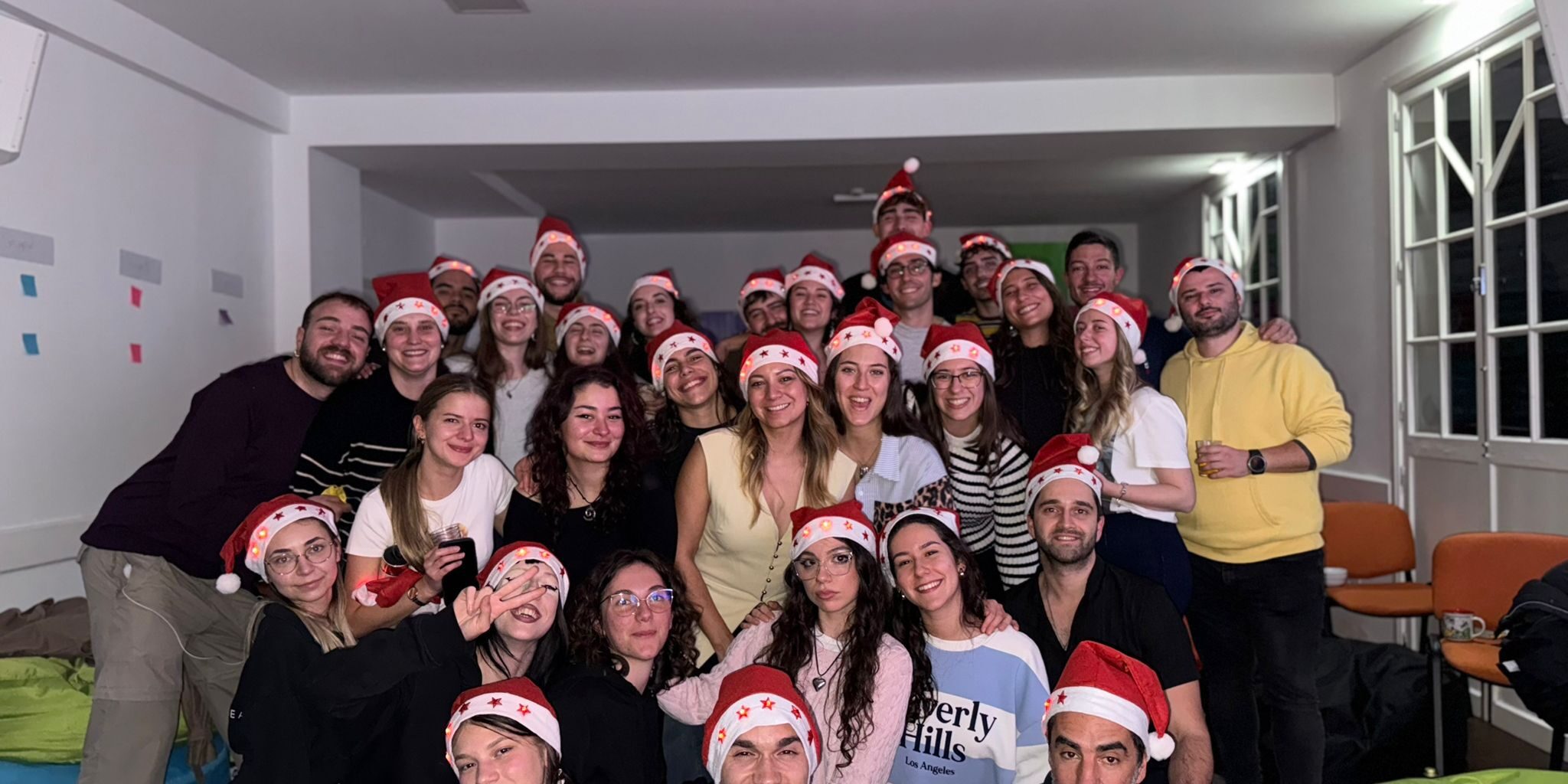
In Madeira, the breathtaking island located in the middle of the Atlantic Ocean and belonging to Portugal, we had the opportunity to participate in an Erasmus+ program titled “Frames of Belonging,” an experience that brought together people from five different countries Macedonia, Italy, Portugal, Bulgaria, and Spain and united us through creativity, collaboration, cultural exchange, and meaningful artistic exploration.
From the very beginning of our stay in Madeira, the project followed the warm and inclusive rhythm that characterizes most Erasmus+ programs, starting with introductory activities where we presented ourselves, shared our backgrounds, spoke about our interests and passions, and gradually began to discover the unique personalities, talents, and stories of the other participants who had also traveled far from home to be part of the same journey. These introductory sessions were more than simple ice-breakers; they were the foundation of the trust and openness that would later allow us to work deeply on themes related to identity, belonging, and self-expression, because as we got to know each other better and learned about each participant’s culture, traditions, values, and life experiences, we also began to understand how diverse perspectives could enrich every conversation, every activity, and every creative decision we made throughout the project.
Madeira itself, with its dramatic landscapes, ocean breeze, volcanic cliffs, and peaceful yet inspiring atmosphere, played an essential role in shaping the emotional tone of the experience, making us feel at the same time distant from our usual environments and deeply connected to the natural surroundings that seemed to encourage reflection, inspiration, and artistic sensitivity. The participants in the project were truly remarkable, a group of highly competent, motivated, and passionate individuals who brought an impressive range of knowledge, skills, and life experiences into the activities there were actors, musicians, teachers, influencers, creative young people driven by ambition, curiosity, and hunger for success, as well as participants with strong general knowledge and social awareness, which allowed every discussion and workshop to go far beyond surface-level interactions and instead evolve into meaningful conversations about identity, belonging, culture, and personal development.
The central theme of the project, as suggested by its title “Frames of Belonging,” revolved around the idea of how individuals perceive themselves within different social, cultural, and emotional contexts, how they relate to their roots, communities, and environments, and how artistic expression especially through film and acting can serve as a powerful tool to explore, question, and communicate these dimensions of human identity. One of the main focuses of the project was filmmaking, and from early on we were introduced to the idea that our task throughout the week would be to create a short film that reflected some aspect of identity, belonging, personal stories, or social symbolism connected to how people see themselves within specific groups, cultures, or environments. This meant that each team needed to take responsibility not only for acting, but also for directing, organizing scenes, developing scripts or concepts, and assigning key roles such as actors, editors, cinematographers, and directors, all within a relatively short timeframe that challenged us to be efficient, focused, and collaborative.
Despite the limited time available, participants approached the filmmaking process with seriousness, enthusiasm, and dedication, taking their tasks professionally, even though many of us were amateurs or had little prior experience in film production. The facilitators guided us through exercises and workshops that helped us better understand the technical and creative aspects of filmmaking, including elements such as framing, storytelling structure, emotional expression in acting, body language, camera perspectives, and the importance of symbolism in visual storytelling, all while constantly encouraging us to connect these tools with the deeper theme of identity and belonging. As teams began working on their short films, we could feel the energy and intensity of the creative process growing stronger day by day everyone contributed ideas, shared personal stories or inspirations, supported each other during rehearsals, and helped with logistical tasks such as scouting locations, organizing props, and coordinating shooting schedules.
Many of the filming locations around Madeira added an additional emotional layer to the projects, because the environment itself ocean views, narrow streets, natural landscapes, or local architecture often became part of the storyline, symbolizing freedom, distance, nostalgia, connection, or self-discovery depending on the concept of each film. Although the preparation and filming process was sometimes intense, with moments of stress, time pressure, and creative challenges, these very difficulties helped strengthen our teamwork, communication, and problem-solving abilities, teaching us how to adapt quickly, negotiate different opinions, and make collective decisions that respected both artistic vision and practical limitations.
When the time finally came to complete and present the films, we were all impressed by the quality and emotional impact of the final results each short film was unique in its narrative style, tone, and visual expression, yet all were deeply connected to the theme of identity and belonging, reflecting the diversity of experiences, cultures, and personal perspectives of the participants involved. Even though the timeframe was short and resources were limited, the films turned out surprisingly successful and meaningful, demonstrating how much passion, commitment, and creativity everyone had invested in the process, and showing that when people take their roles seriously and collaborate with mutual respect, they can achieve outcomes that go far beyond expectations. Watching the films together was a powerful and emotional experience that allowed us not only to appreciate the artistic value of the projects, but also to recognize how much we had grown individually and collectively throughout the journey, how much we had learned from one another, and how deeply the project touched our understanding of ourselves and others.
Beyond filmmaking, the project offered many opportunities for intercultural learning, informal conversations, reflection sessions, and personal sharing moments, during which participants exchanged thoughts about their lives, goals, and challenges, talked about social issues in their home countries, and discussed how belonging can be shaped by culture, community, migration, values, or personal identity. The facilitators played an important role in guiding us through these processes, creating a safe and stimulating environment where everyone felt comfortable expressing opinions, emotions, and experiences without fear of judgment, and where learning happened not only through structured activities but also through dialogue, observation, and shared moments of connection. Over the seven days of the project, time seemed to pass incredibly fast, as if the intensity of the experience compressed days into moments, and although the program was filled with activities, creative work, discussions, and cultural interactions, it never felt exhausting or overwhelming; instead, it felt energizing, meaningful, and constantly motivating.
The combination of the island’s beauty, the inspiring theme of the project, the dedication of the facilitators, and the remarkable group of participants created a unique atmosphere where everyone felt encouraged to grow, express themselves, and step outside their comfort zones, while at the same time forming friendships and bonds that felt authentic and lasting. By the end of our stay in Madeira, many of us felt that the project had become much more than just an Erasmus+ mobility experience; it had transformed into a personal and collective journey of self-discovery, artistic exploration, emotional openness, and cultural belonging, leaving us with precious memories, strengthened confidence, and a renewed sense of motivation to continue developing our skills, pursuing our passions, and engaging in creative and socially meaningful initiatives in the future.
Even though the week lasted only seven days, it felt much shorter because of how intensely we lived every moment, how quickly connections formed, and how deeply we immersed ourselves in the experience, and as we reflected on everything we had learned from filmmaking techniques to interpersonal understanding, from acting exercises to reflections on identity and belonging we realized that the true value of the project extended far beyond the films themselves, residing instead in the growth, inspiration, and collective memory we carried with us long after leaving Madeira.