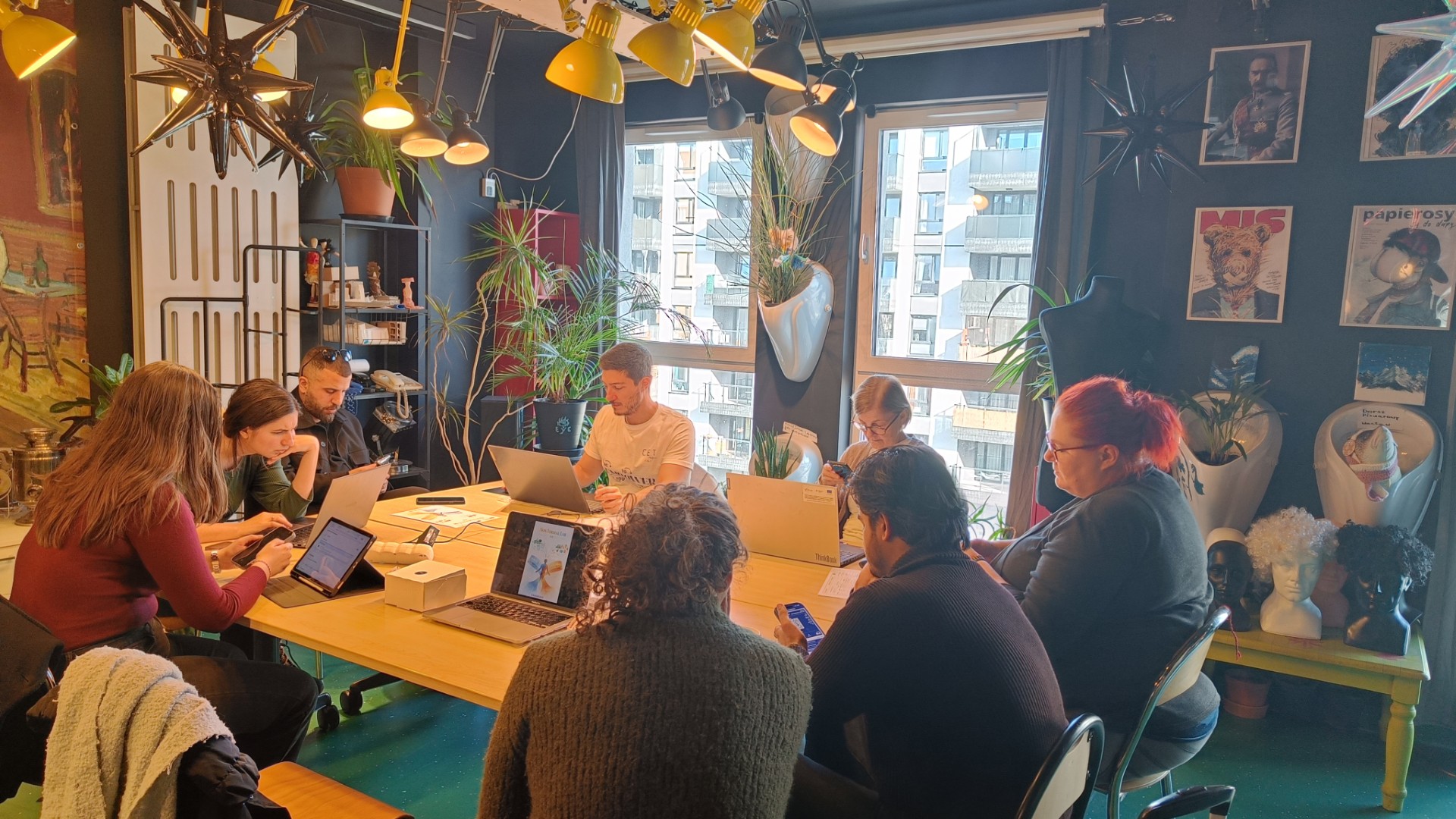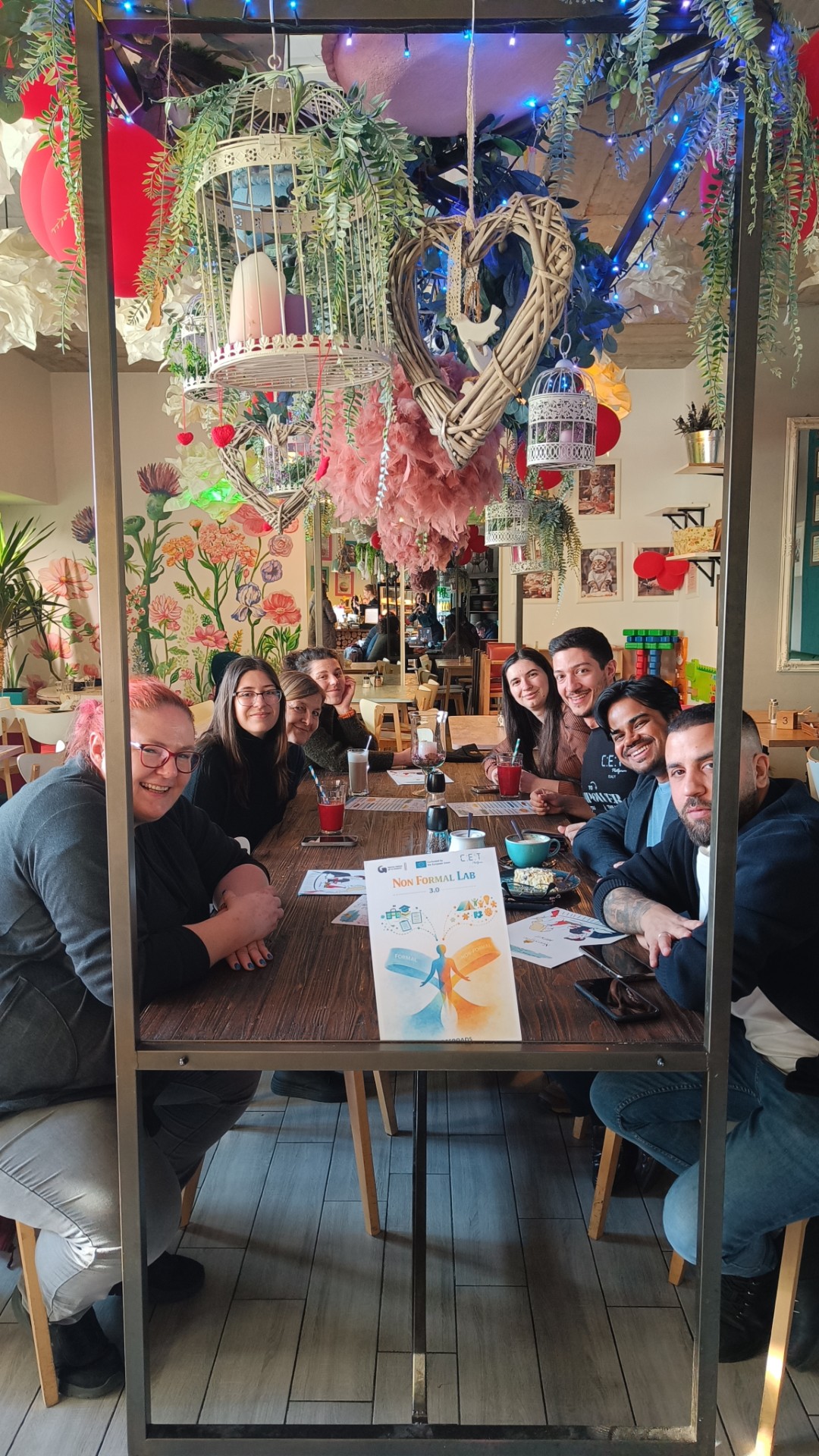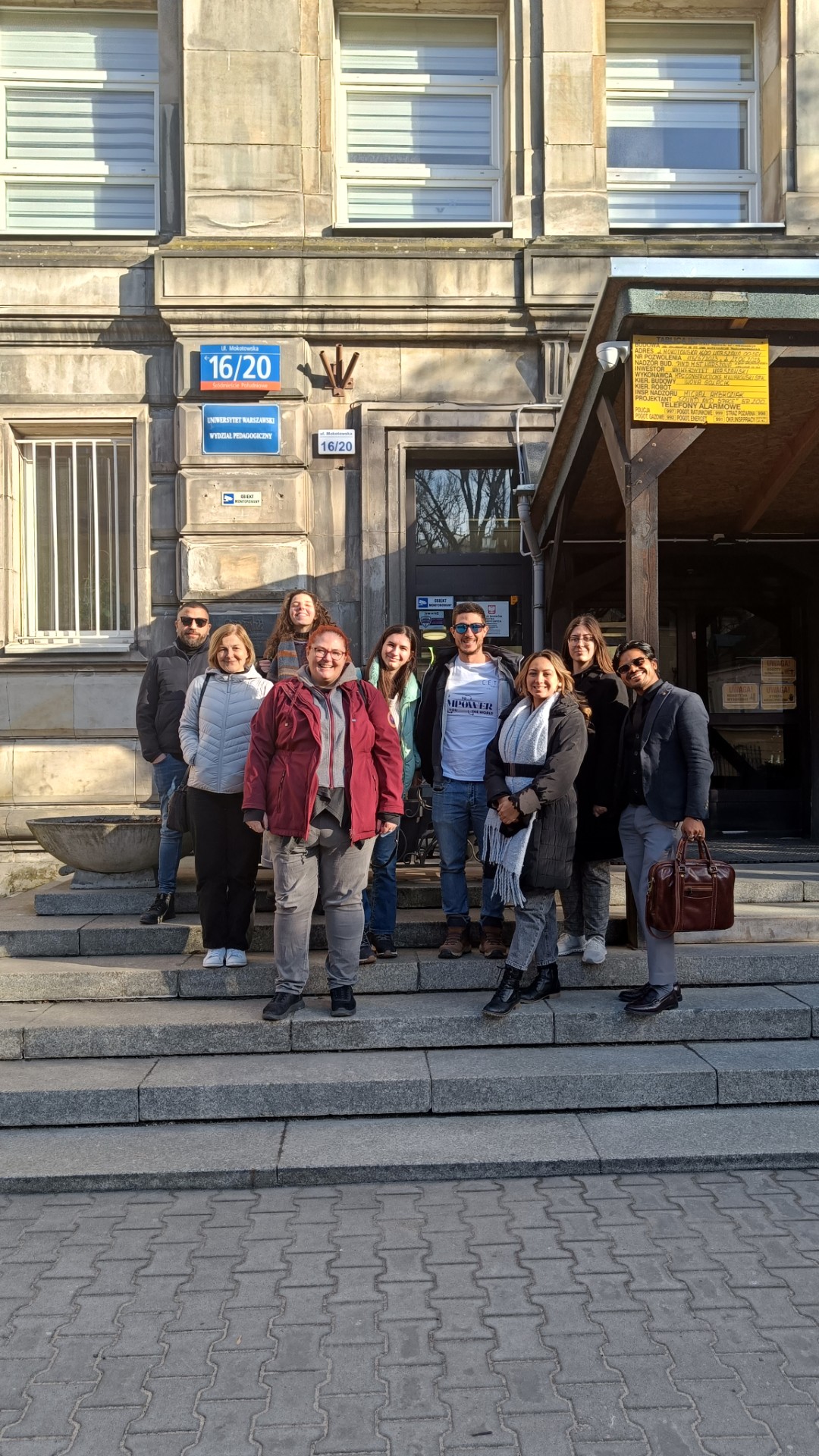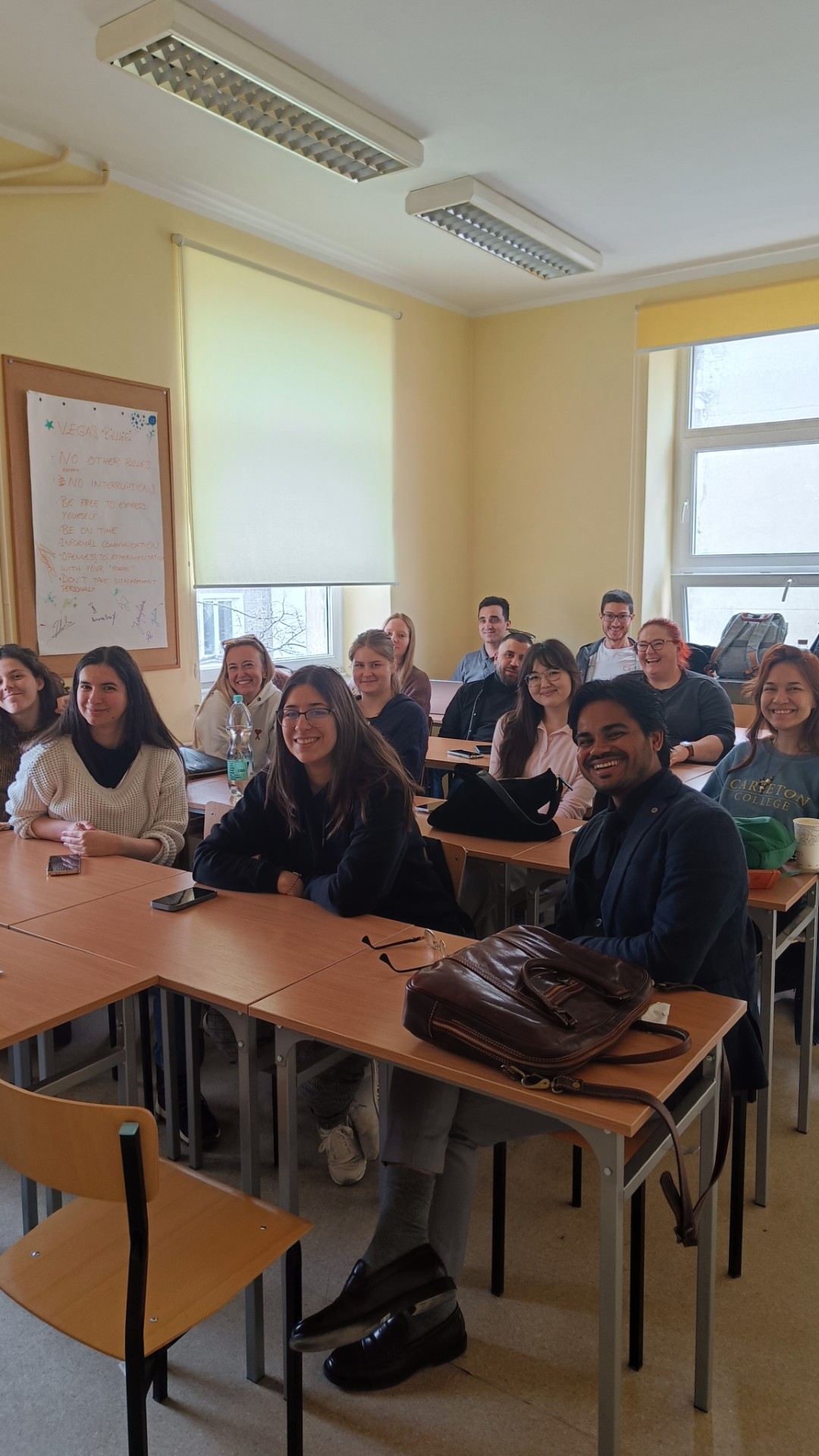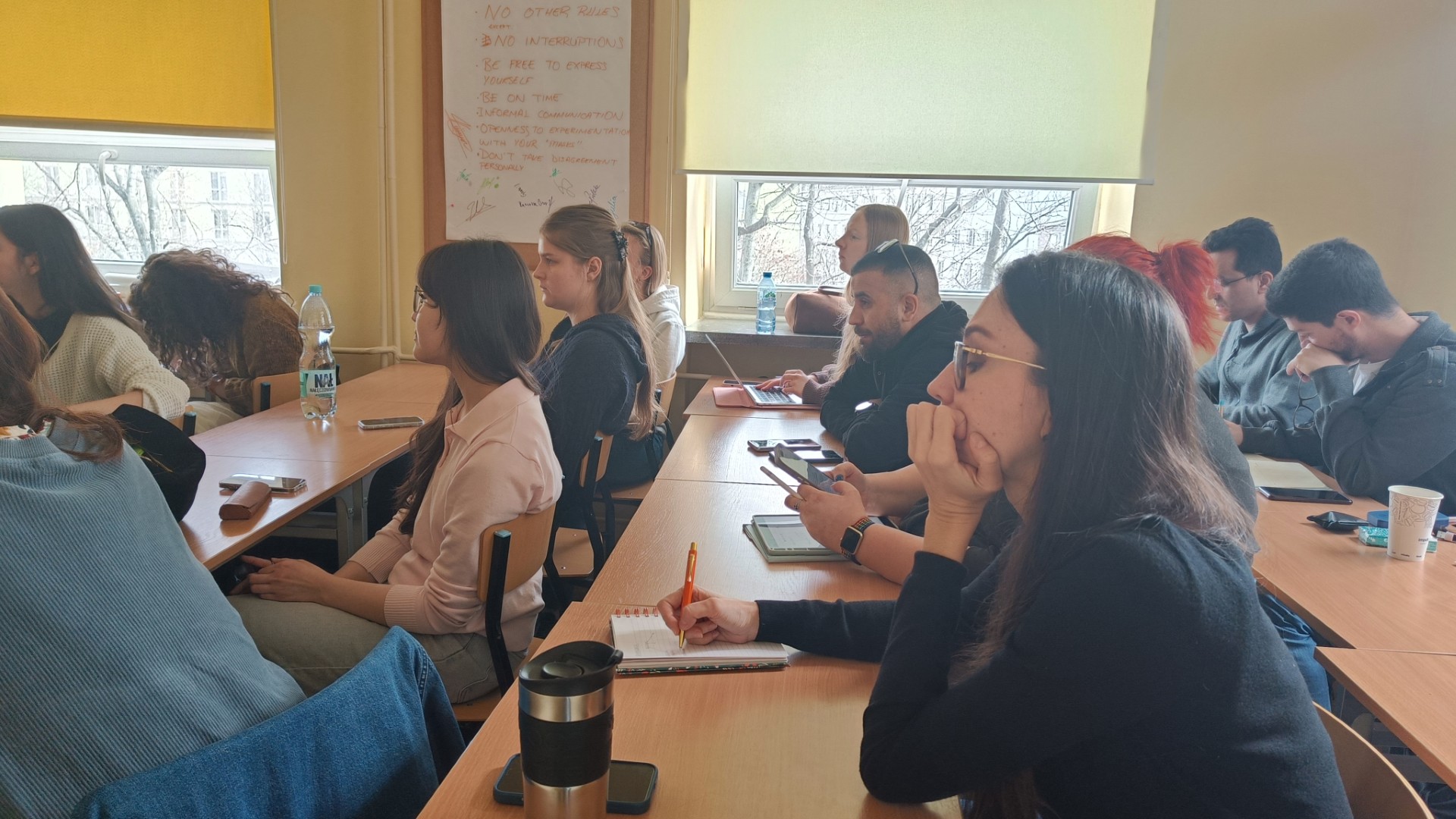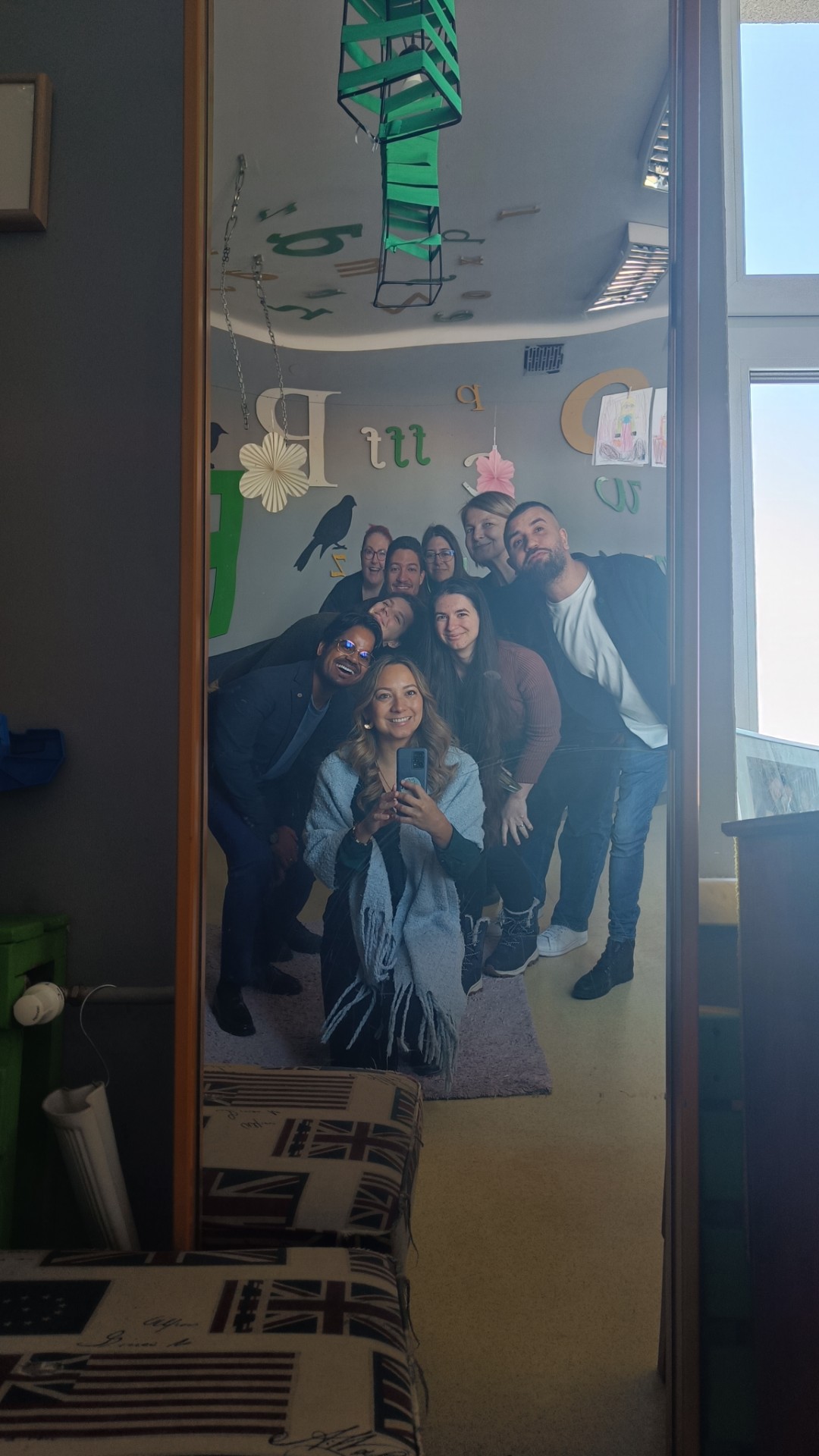

The study visit Non Formal Lab 3.0 – Crossroads brought together participants from Croatia, Estonia, Hungary, Italy, North Macedonia, Poland, Romania and Sweden. The group consisted of youth workers, teachers and educators interested in exploring how non-formal education methods can complement formal learning environments.
The main objectives of the study visit were to observe examples of non-formal methodologies used in formal education settings, learn how to integrate innovative non-formal learning approaches into youth work and educational contexts, exchange good practices among partner organisations, and create opportunities for long-term cooperation between organisations active in education and youth work.
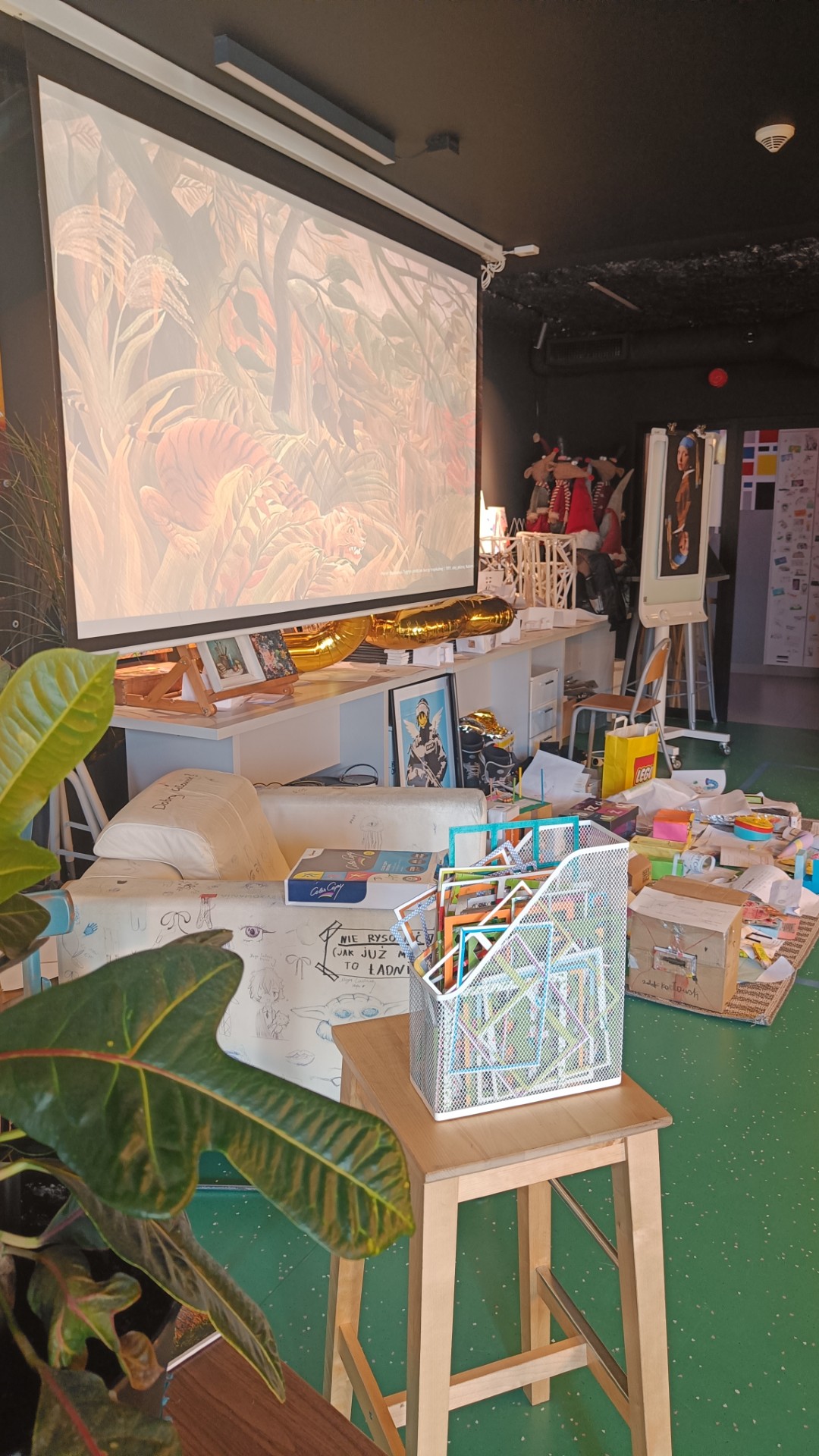
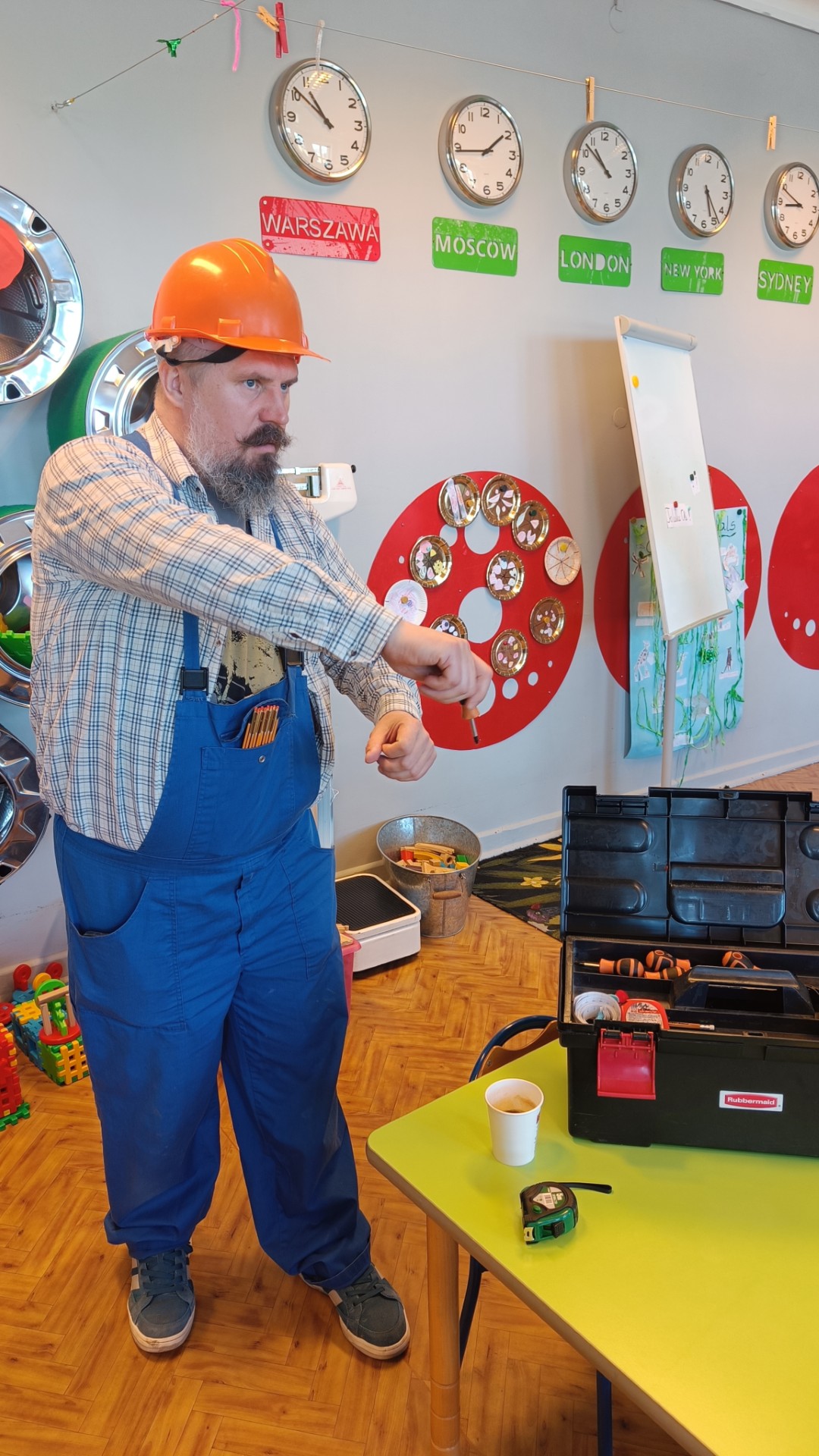
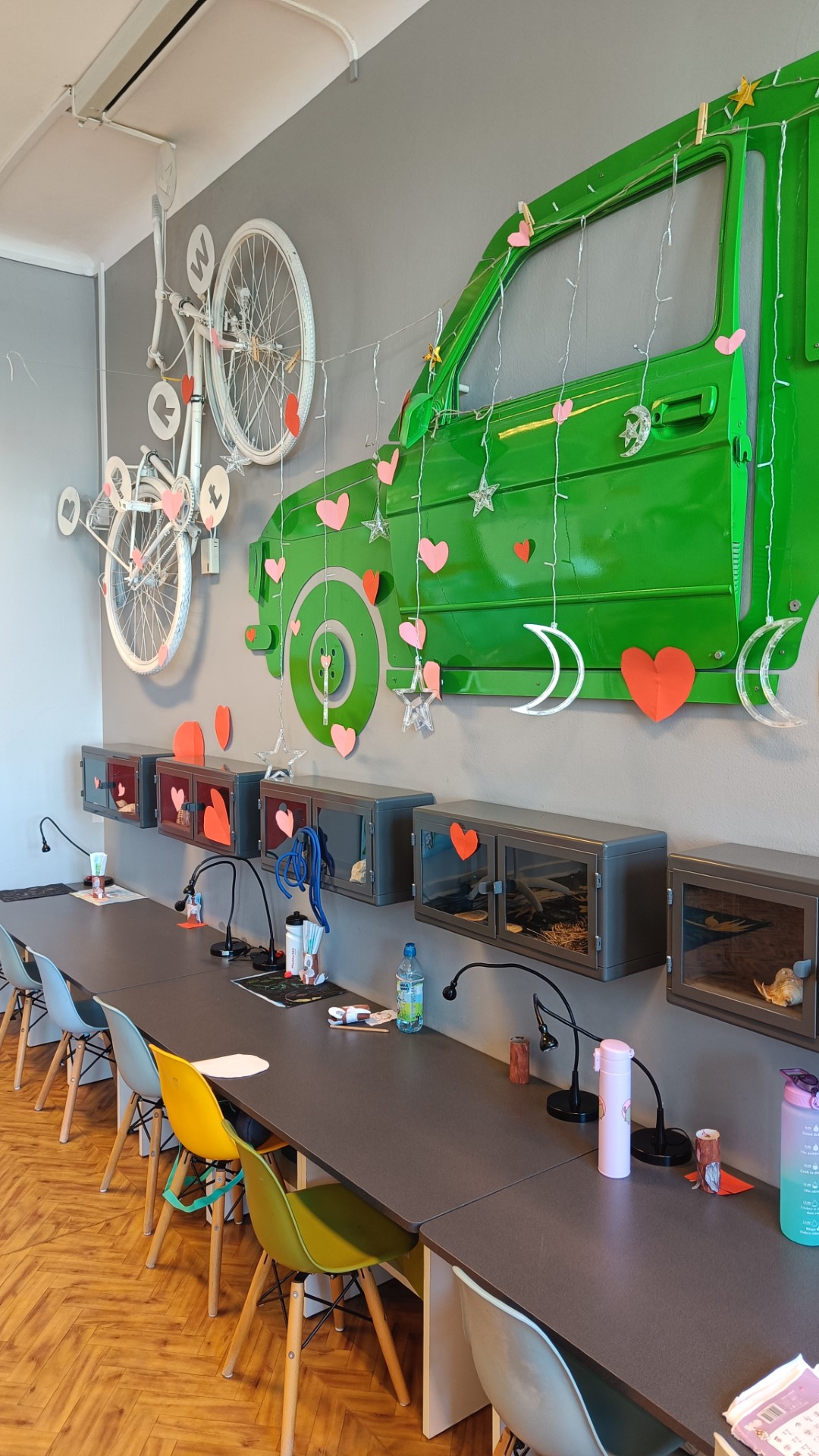
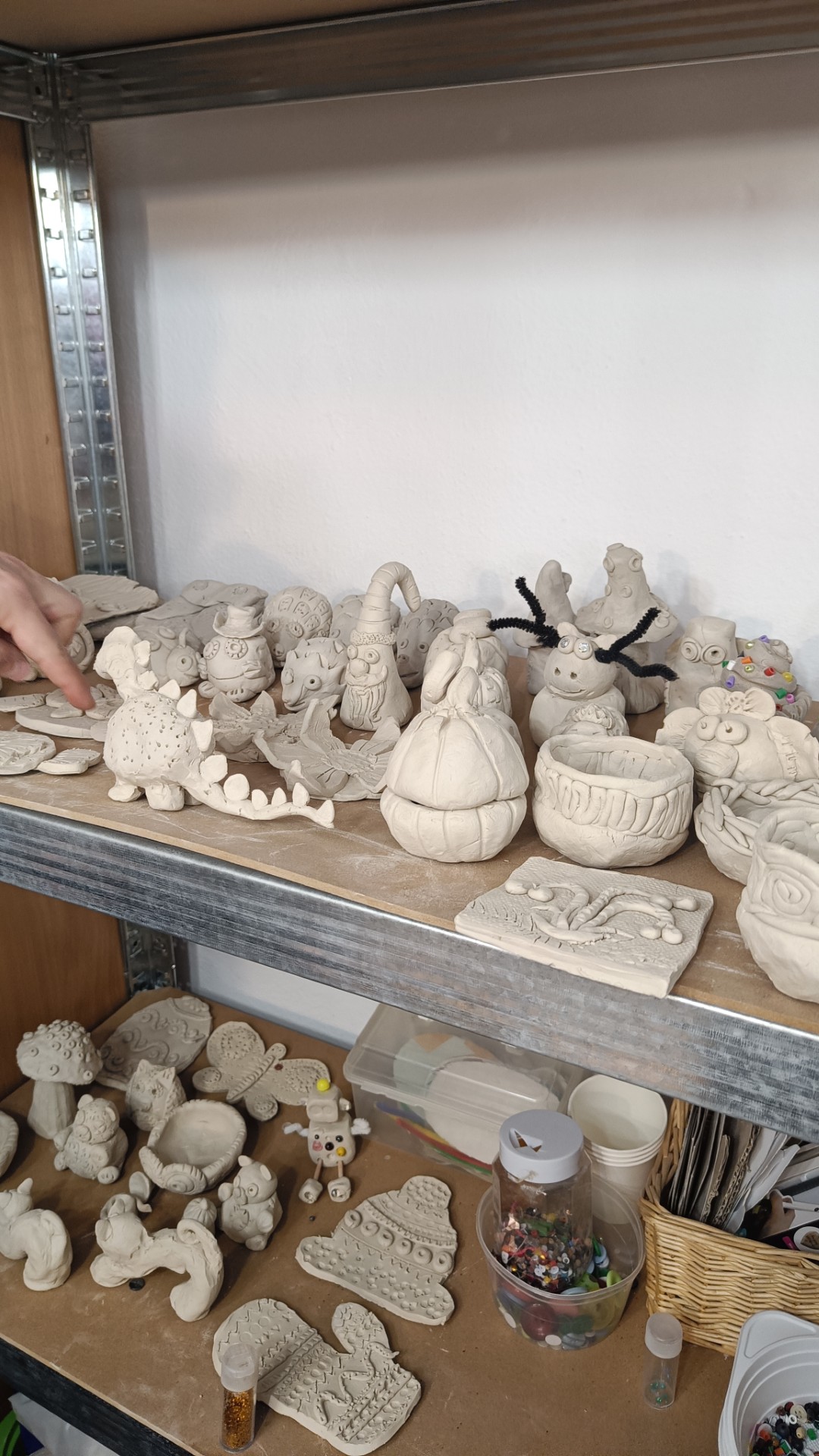
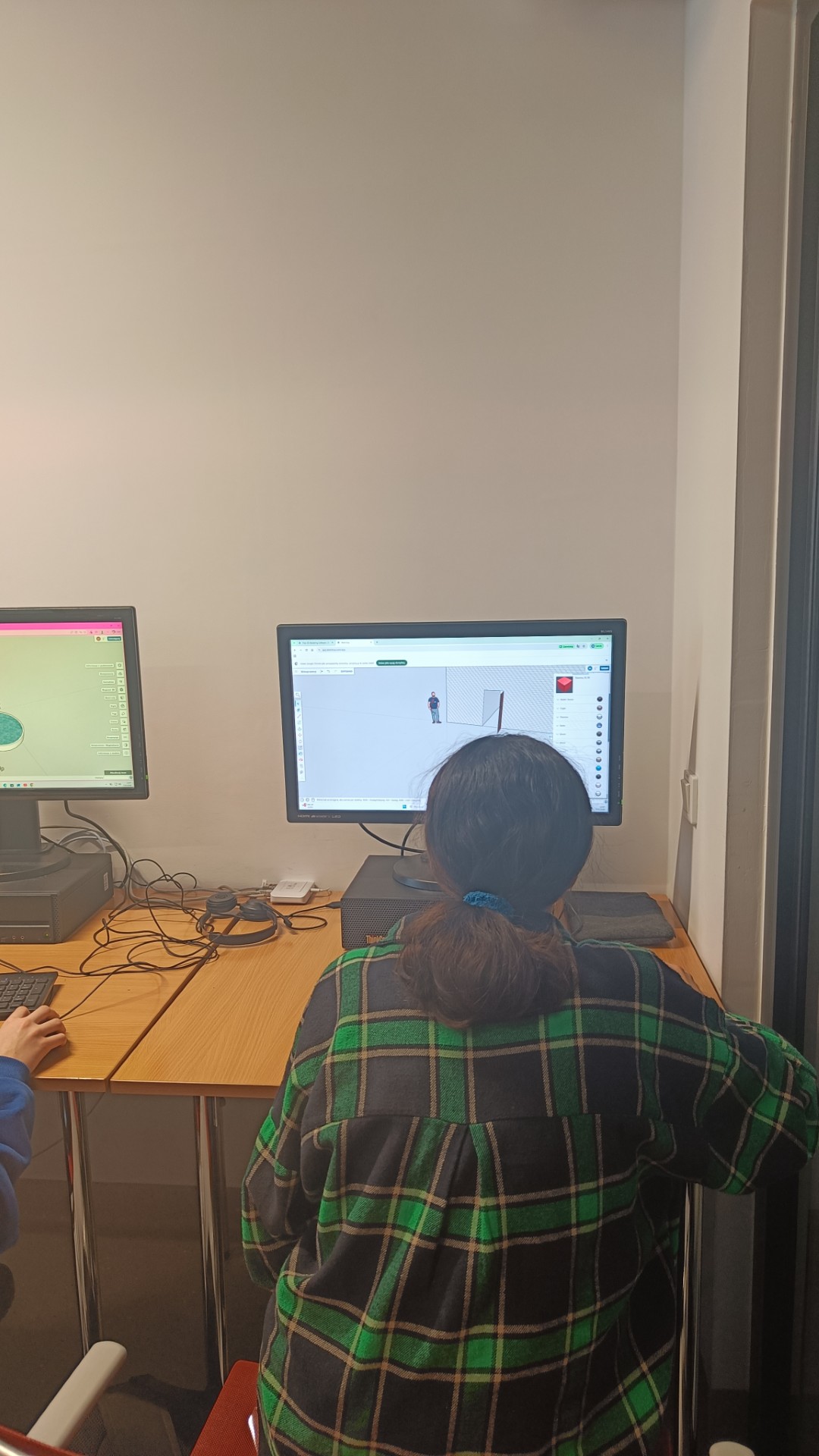
During the visit, participants engaged in a series of visits to different educational institutions, including a kindergarten, a school, a university and a non-governmental organization. These visits allowed the group to observe how interactive, learner-centered and experience-based learning methods are implemented in practice.
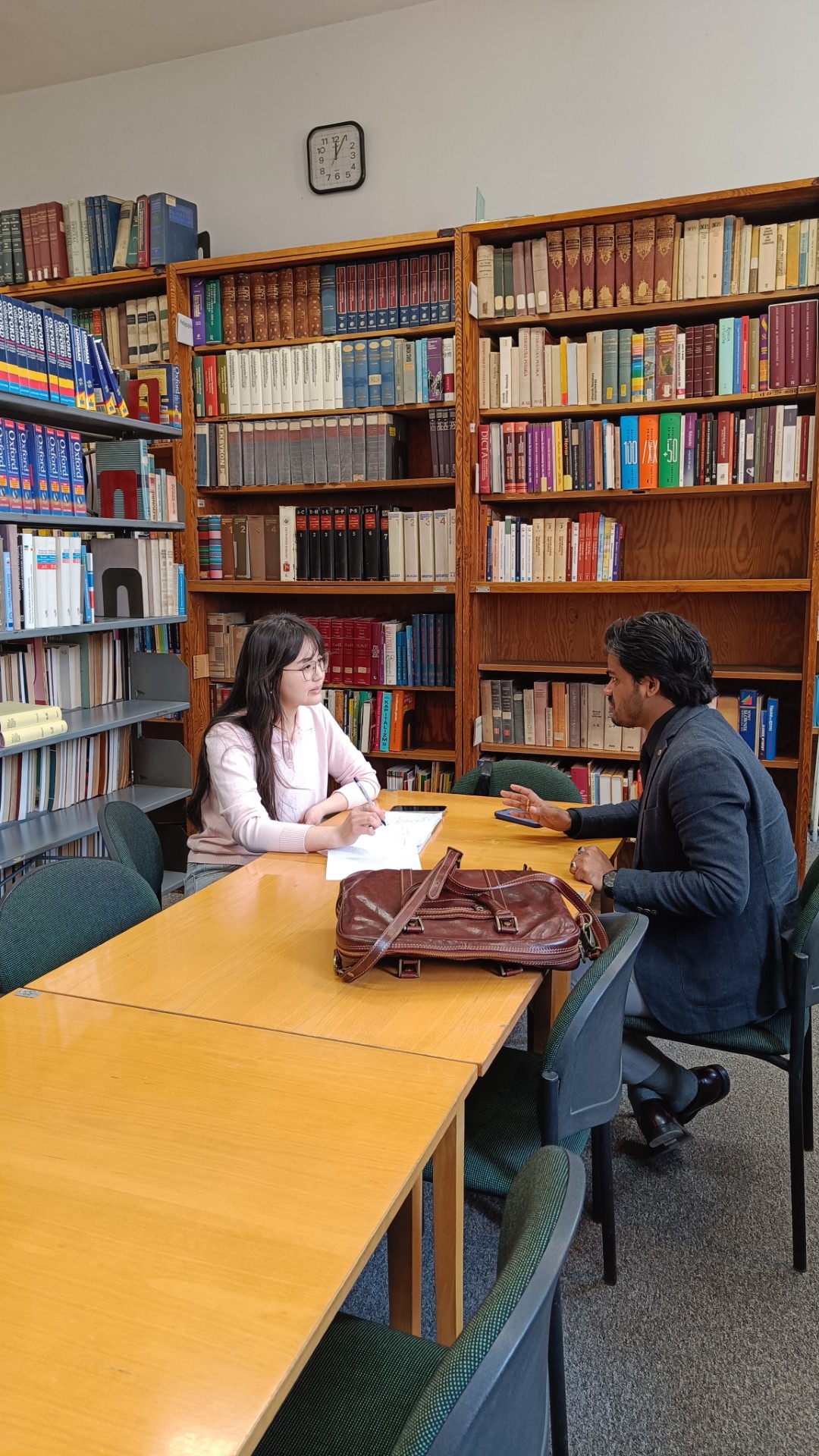
One of the key visits took place at the University of Warsaw where participants met with first year Master’s students from the Adult Education and Development of Activities program. The students conducted interviews with the participants as part of their research, which created an opportunity for mutual learning and exchange of perspectives. Participants also joined anthropology class where discussions focused on how people behave differently depending on the environment and how physical and social spaces influence interaction, participation and group dynamics.
Throughout the study visit, participants explored alternative education methodologies and non-formal learning approaches that can be applied both in formal education and in youth work. They reflected on how to design interactive activities, facilitate experience-based learning sessions, and better address the diverse learning styles and needs of young people, especially in multicultural environments.
The study visit also provided a valuable space for sharing experiences and exchanging good practices among participants from different countries. Discussions highlighted how non-formal education can increase participation, creativity and learning by doing within educational settings.
Overall, the activity created new connections between organisations and strengthened international cooperation. Participants left the study visit with new ideas, inspiration and potential collaborations that will contribute to their future work with young people and to upcoming Erasmus+ activities.
Stay tuned for the upcoming training course in May, where we will further explore the idea of a “crossroads”, where formal education and non-formal learning meet to create more inclusive, creative and participatory learning spaces.