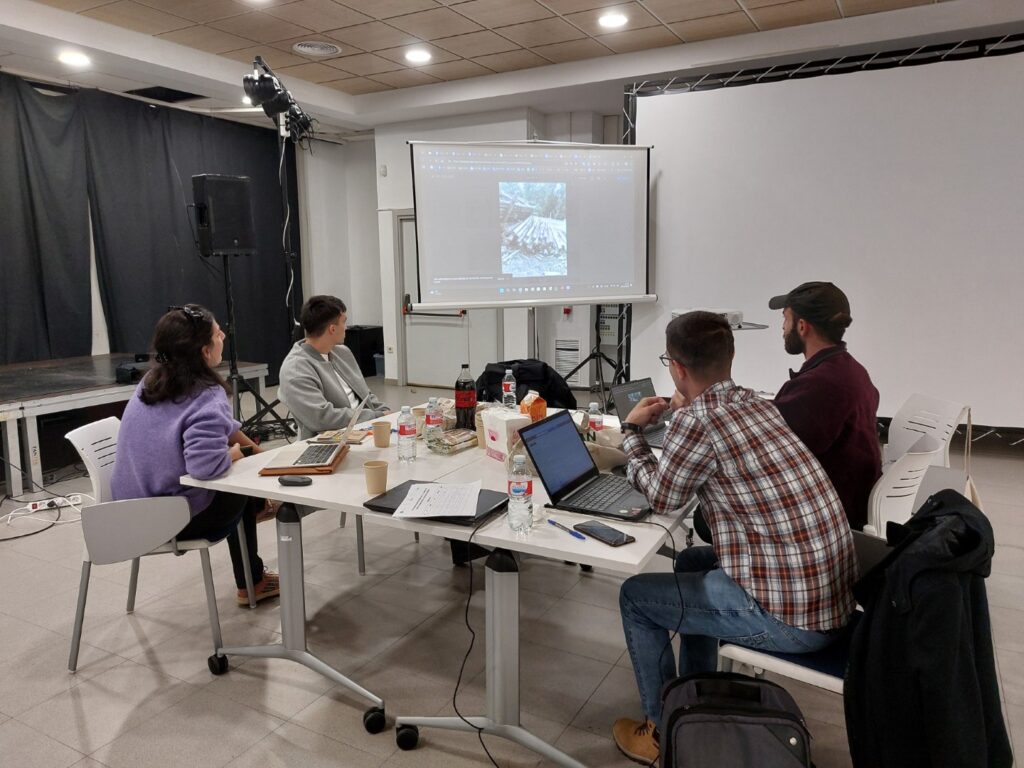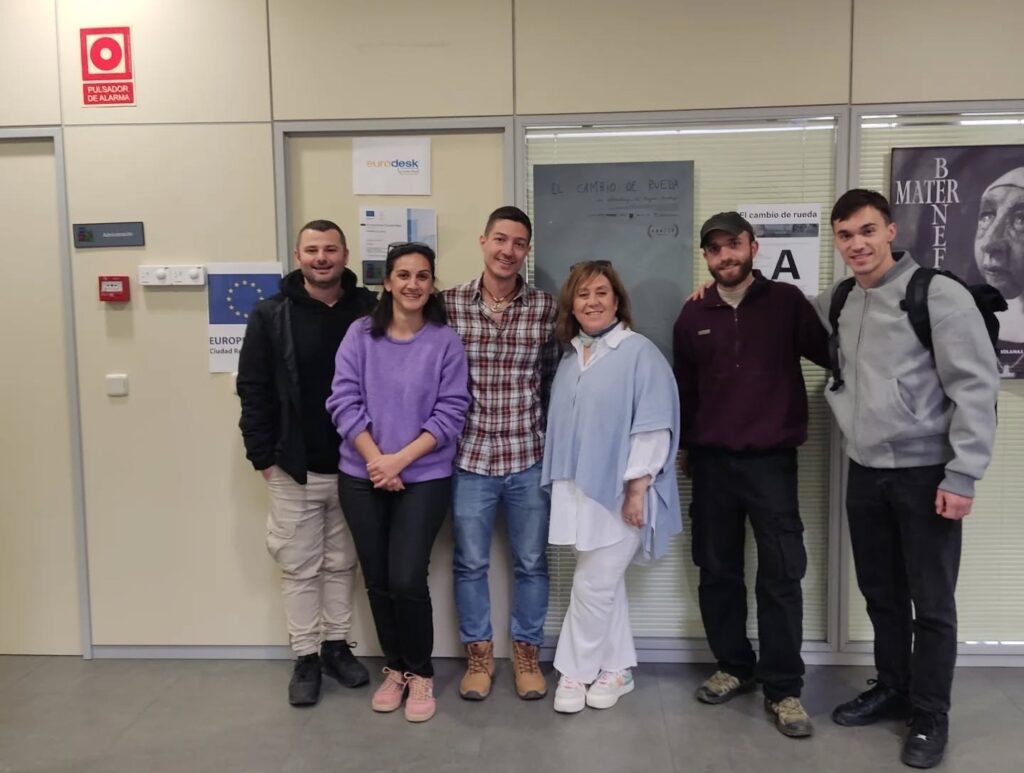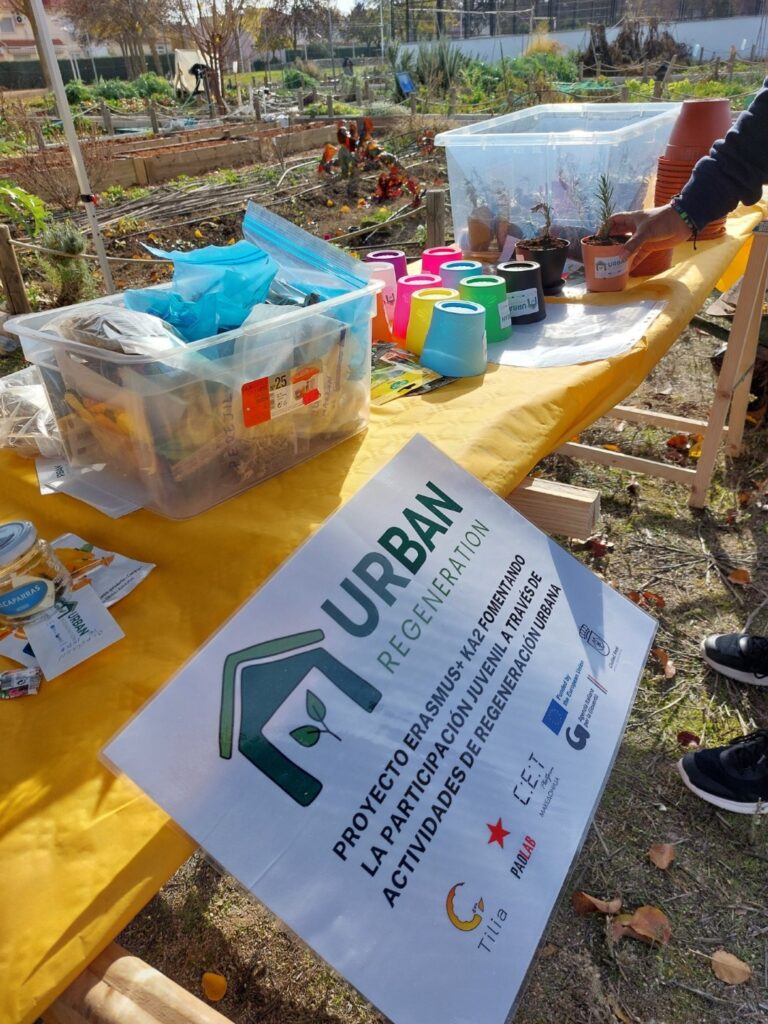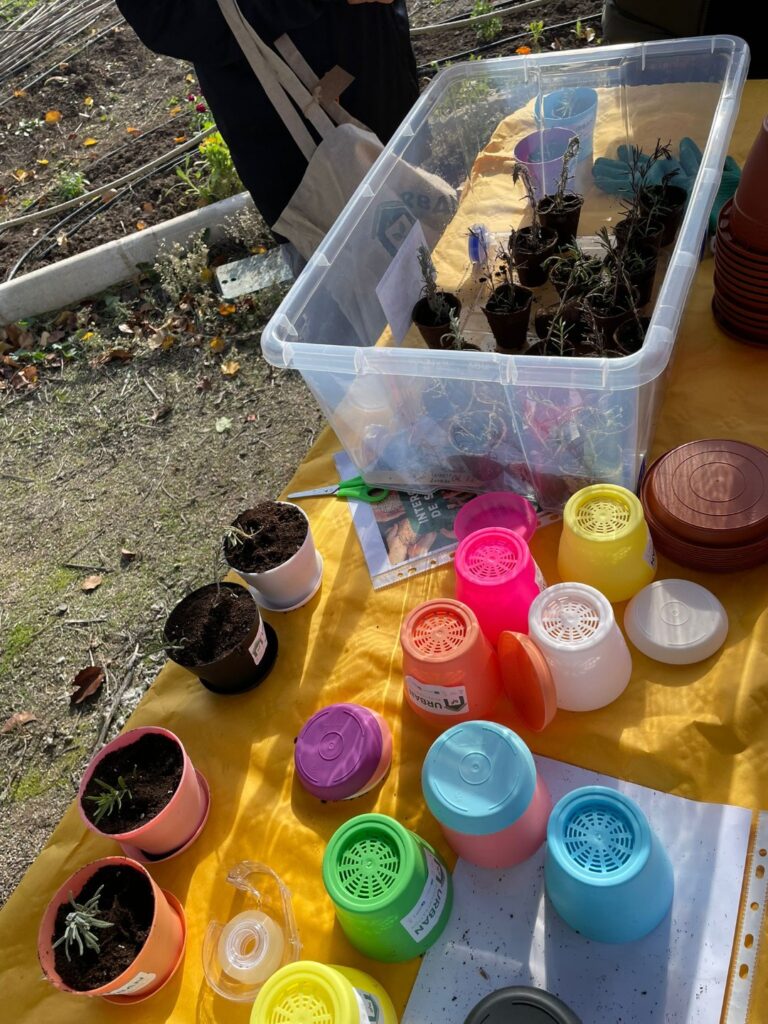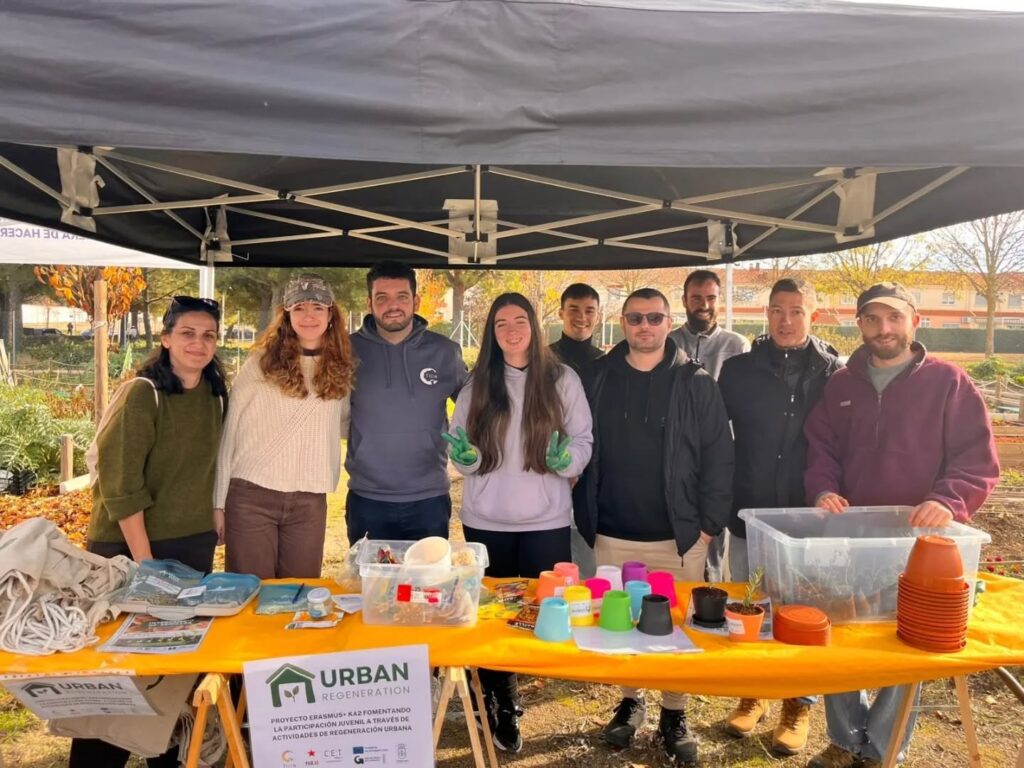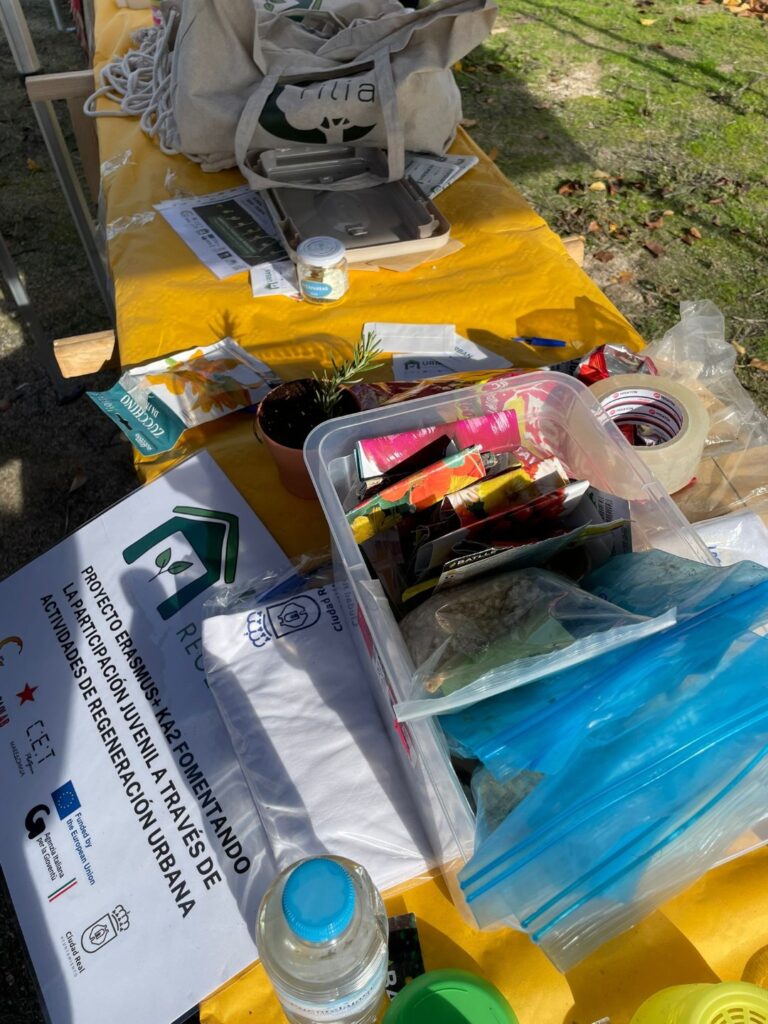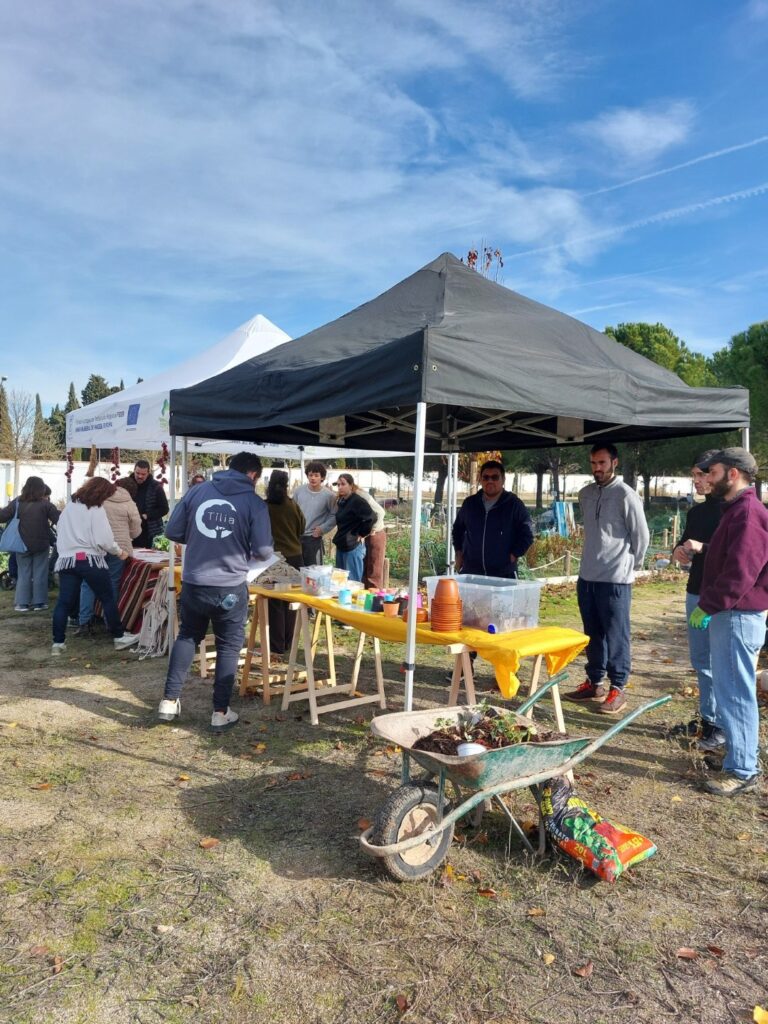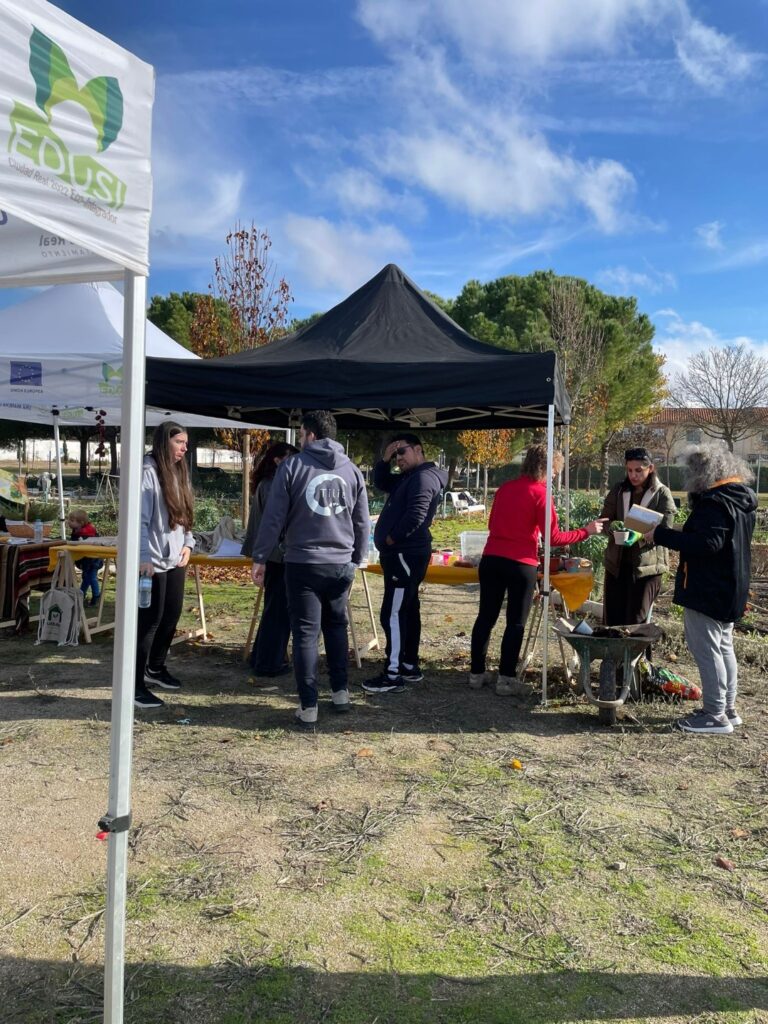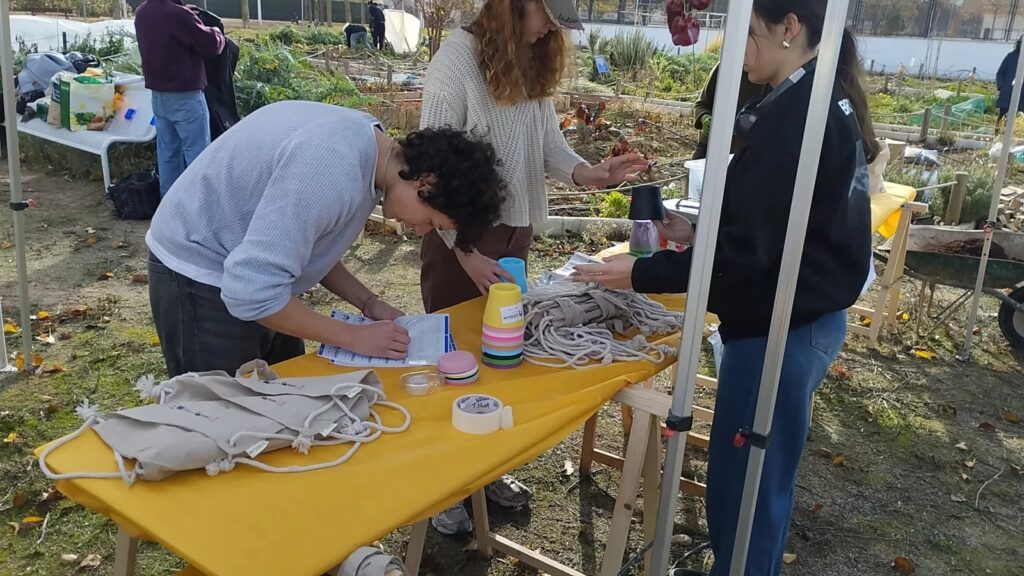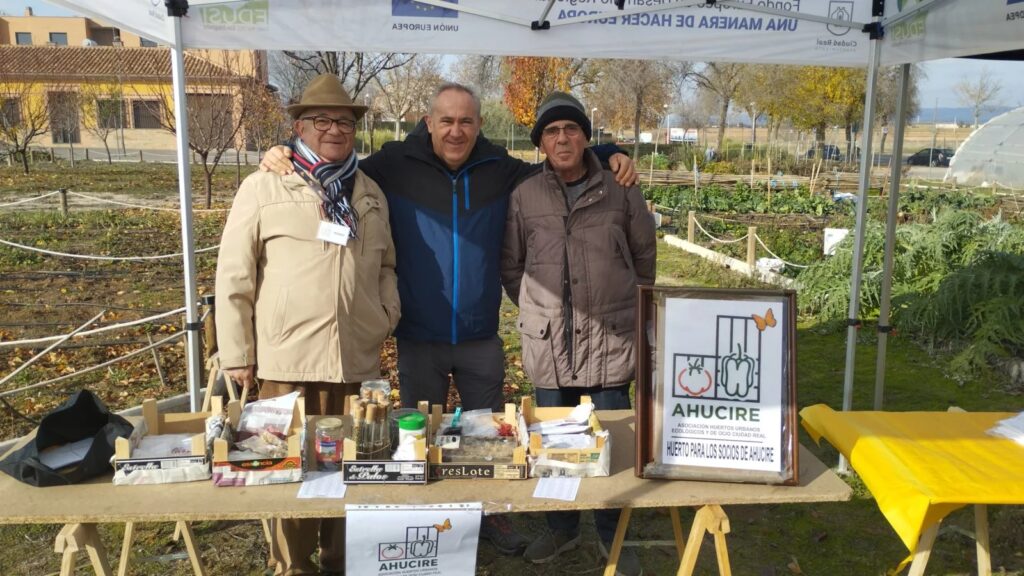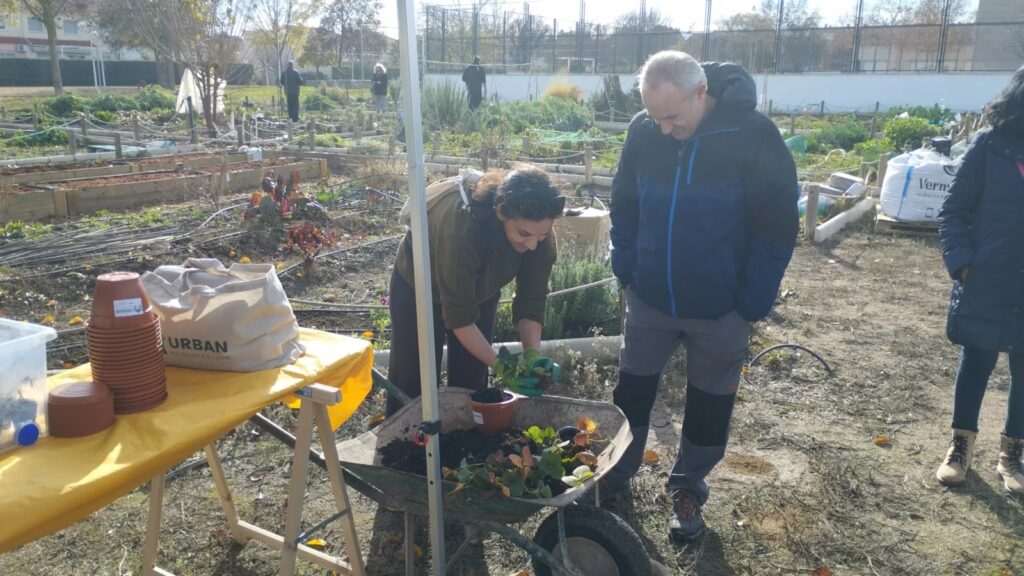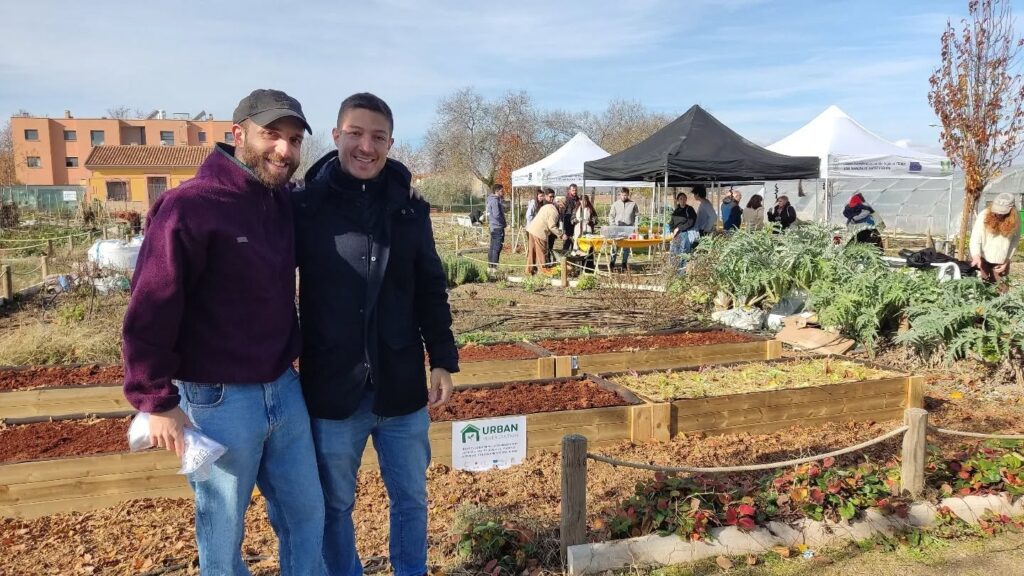

In Ciudad Real, a vibrant city in Spain located approximately 186 kilometers south of Madrid, we gathered for the final meeting of our long-running international project, one that had already taken us across three countries Macedonia, Italy, and Spain and brought together young people, community members, and amateur enthusiasts who shared a passion for revitalizing neglected spaces and transforming abandoned areas into meaningful, welcoming environments for the people who lived around them.
This last phase of the project in Ciudad Real was not only a reflective meeting, but also a culmination of everything we had experienced, tested, improved, and learned throughout our journey, and it gave us the opportunity to revisit the core methodology of the project, discuss how the idea originally emerged, and rethink ways in which we could make the same kind of initiative more impactful and sustainable in the future.
During our time in Ciudad Real, we reviewed how the project began with a simple yet powerful concept to find abandoned or overlooked places in local neighborhoods, areas that had been forgotten by the community or left unused for years, and give them a new purpose by repairing the walls, fixing damaged structures, installing benches along the walls or in open spaces where people could sit, socialize, or rest, and creating visually engaging graffiti art and murals that would not only beautify the environment but also reflect local identity, creativity, and collective spirit.
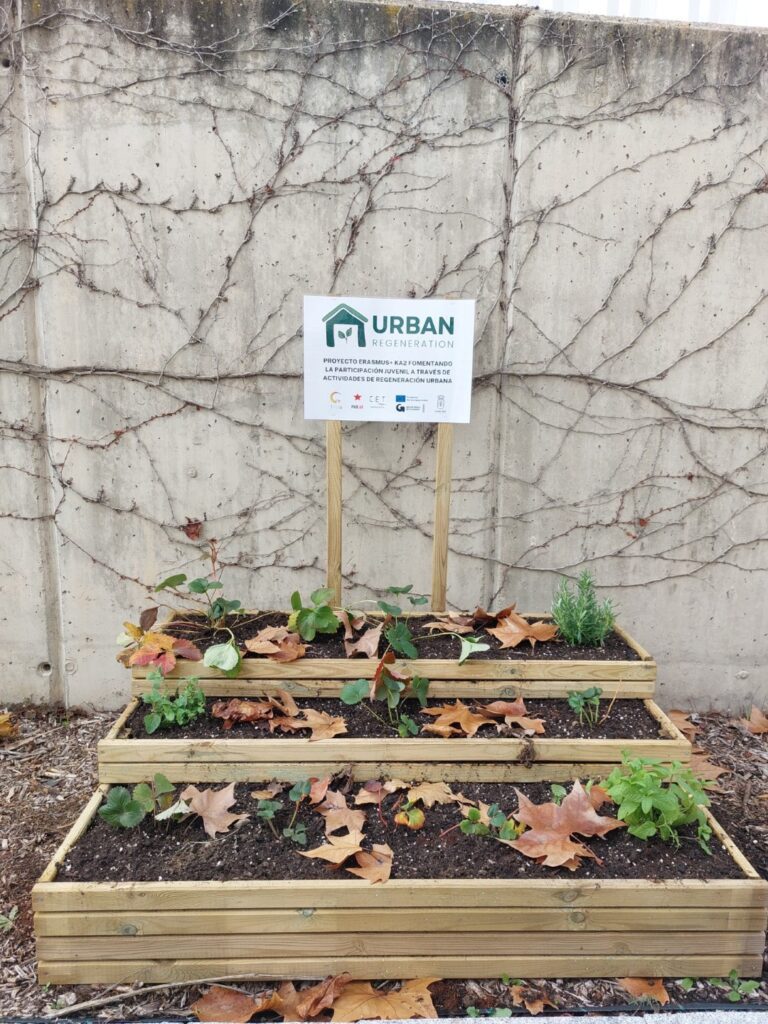
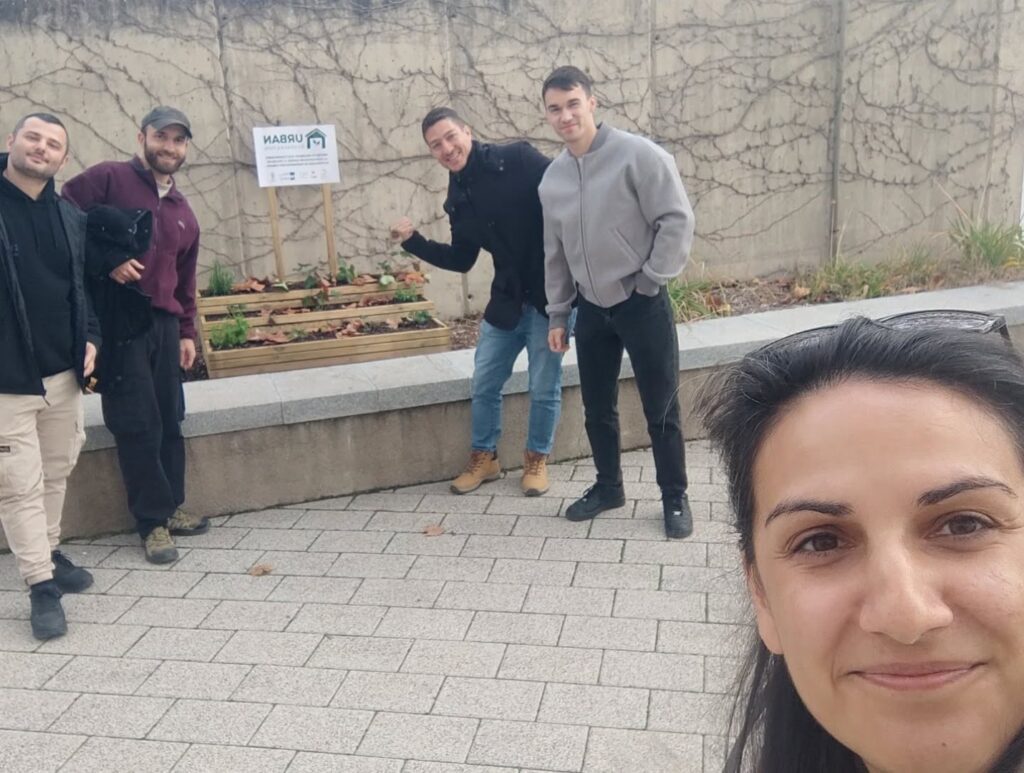
We talked about how in each country, including Spain, teams of participants worked together to clean and restore these areas by painting over cracked or worn-out surfaces, filling gaps, smoothing textures, and designing artistic expressions that turned gray walls into colorful landmarks, while at the same time planting flowers and small plants that brought life, color, and freshness into the surroundings, making the space feel more inviting, relaxing, and emotionally uplifting for the residents who passed by daily or chose to spend time there once the project was completed. The discussions in Ciudad Real focused deeply on the methodology we followed from the very beginning, analyzing step by step how we selected abandoned places, how we planned our interventions, and how we organized the teamwork among participants with different experiences, backgrounds, and skill levels, especially considering the fact that most of us were amateurs doing this type of work for the first time.
We reflected on where the initial idea came from the desire to reconnect people with their own neighborhoods, to encourage active citizenship, and to show that even small groups of motivated individuals could bring visible and meaningful change to their communities without waiting for institutions or professionals to act first and we explored how this concept evolved across the different countries involved in the project.
In Ciudad Real, we also shared stories from Macedonia and Italy, comparing how cultural differences, local conditions, and community attitudes influenced the process, yet at the same time noticing how similar the sense of pride, belonging, and collaboration felt in every location once the abandoned spaces were transformed into beautiful, functional, and communal areas. A significant part of our conversations revolved around the challenges we faced and how we managed to overcome them, discussing how we initially struggled with coordination, planning, and distribution of tasks, and how through practice and communication we gradually developed clearer structures and more efficient ways of working together. This led us to reflect on how we could make things easier for future implementations of the same project, identifying opportunities to create clearer guidelines, prepare materials in advance, improve logistical planning, and provide better instructions for volunteers who might not have prior experience in repairing walls, setting up benches, or painting graffiti in a coordinated and purposeful way.
Another key topic in Ciudad Real was how to involve more people in the project, especially local residents, young people, and community organizations who could contribute not only with manual work but also with ideas, creativity, and emotional investment in the space. We discussed strategies such as organizing open calls, promoting activities through local networks, and building partnerships with municipalities or neighborhood associations, so that the repaired places would be more widely recognized, supported, and maintained in the long term. We also explored how to use social events as a way to bring life into the renovated spaces, thinking about how to create gatherings, workshops, cultural activities, or small celebrations in the very same areas we repaired, so that people would start using them actively instead of letting them fall back into neglect. In the meetings, we imagined events like community picnics, small concerts, artistic performances, or children’s activities that could strengthen the sense of collective ownership and encourage residents to keep the space clean, lively, and respected.
Throughout our discussions in Ciudad Real, we continually returned to the emotional aspect of the project how satisfied we felt with the work we had accomplished, especially considering that everything was done by amateurs, many of whom were trying such activities for the first time. We recognized how ambitious it was to take responsibility for repairing physical structures, designing visual art, and reshaping public environments without being professionals in construction or urban design, yet at the same time this was exactly what made the experience powerful and meaningful, because it showed that passion, collaboration, and commitment could compensate for lack of expertise. We spoke openly about our personal growth, how working on these projects strengthened our teamwork abilities, creativity, problem-solving skills, and confidence, and how the process helped us understand the value of patience, cooperation, and shared effort.
In Ciudad Real, we also took time to evaluate the overall impact of the project, reflecting on how the renewed spaces in all three countries had become symbols of transformation and collective care, how neighbors reacted positively to the changes, and how many people expressed gratitude for the new benches, the artistic graffiti, and the flowers that made their streets or neighborhoods more pleasant and visually appealing. We discussed the long-term significance of the project, imagining how similar initiatives could be replicated in other cities or communities, and how our experience could serve as a model for future groups interested in revitalizing abandoned places through creativity, volunteer work, and community engagement.
The meeting in Ciudad Real was therefore not just a conclusion, but also a moment of vision and inspiration, where we looked ahead and asked ourselves how the idea could continue growing, how we could expand participation, and how to ensure that repaired spaces remain active, meaningful, and respected by the people who use them. By the end of our stay in Ciudad Real, we felt a strong sense of connection not only with the city itself and the local environment, but also with each other and with the shared journey that took us from Macedonia to Italy and finally to Spain, uniting us around a project that demonstrated how collaboration, creativity, and dedication can transform abandoned spaces into places of beauty, relaxation, and community pride, and reminding us that even first-time amateurs, when working together with heart and purpose, are capable of achieving impressive and deeply meaningful results.