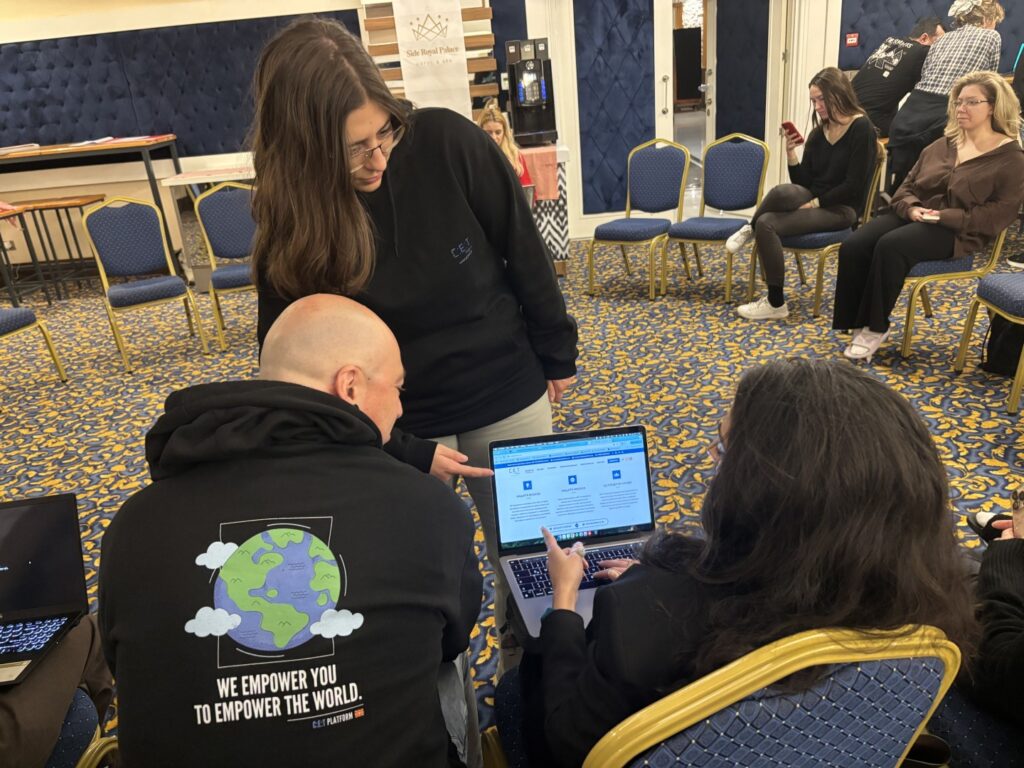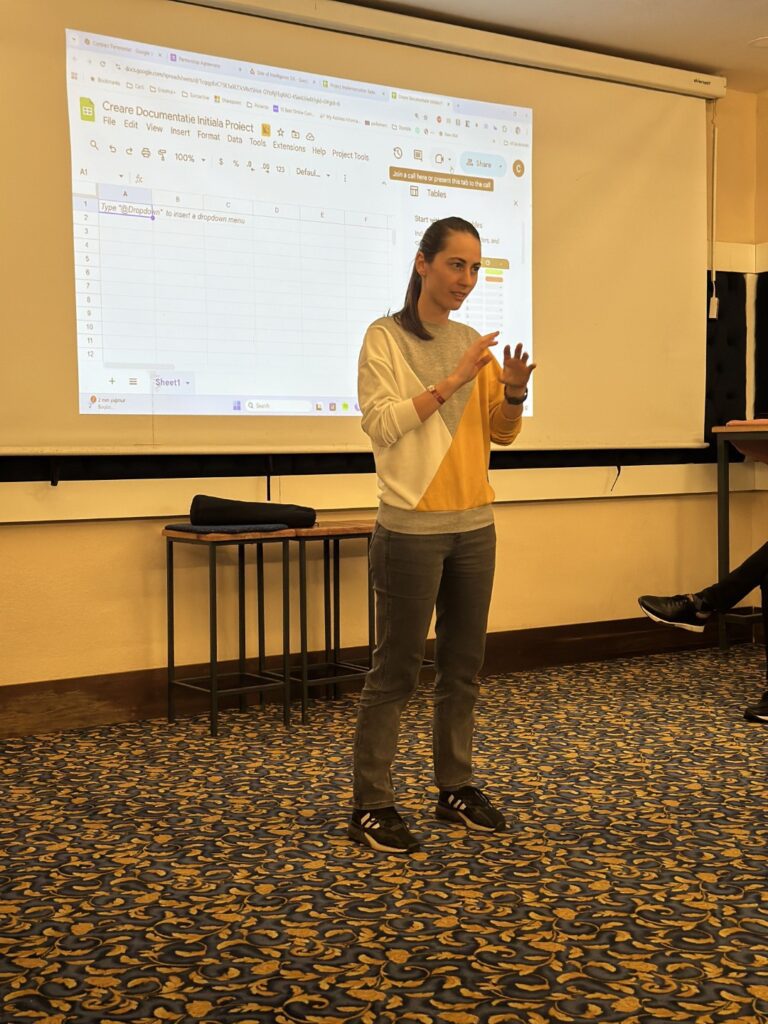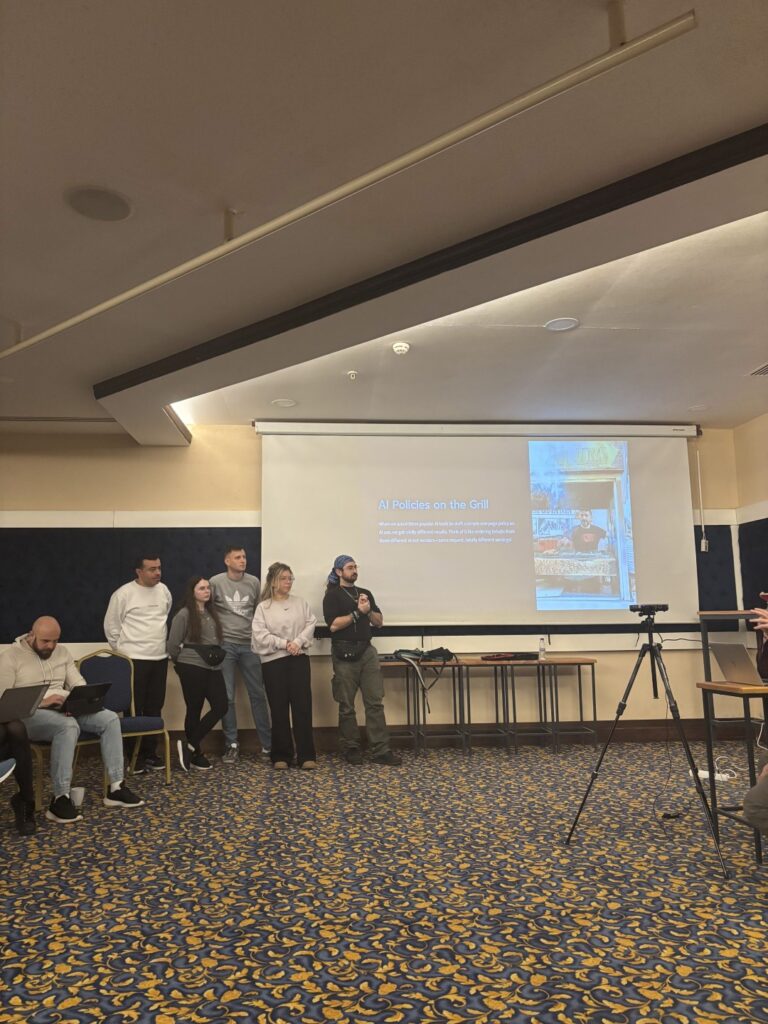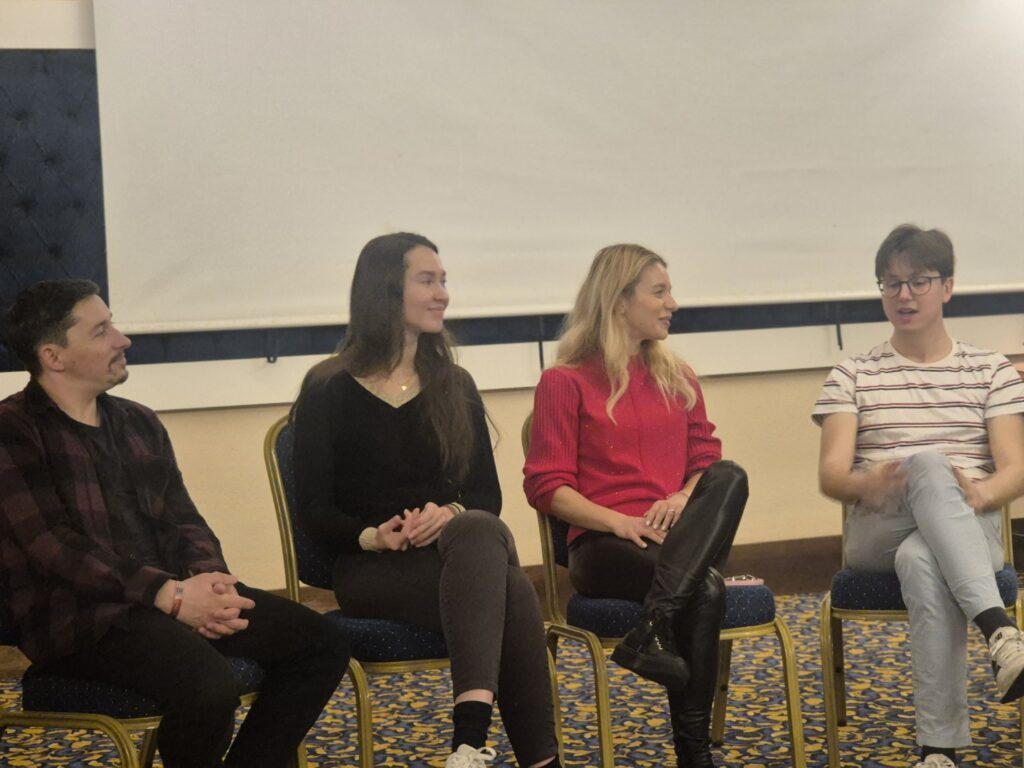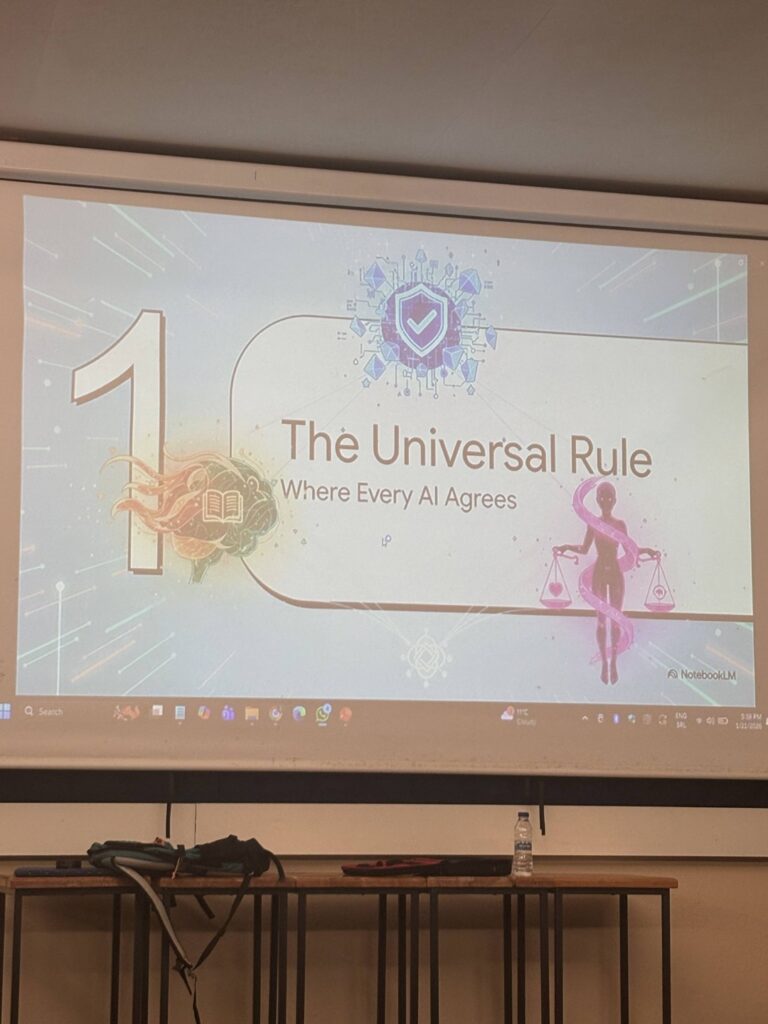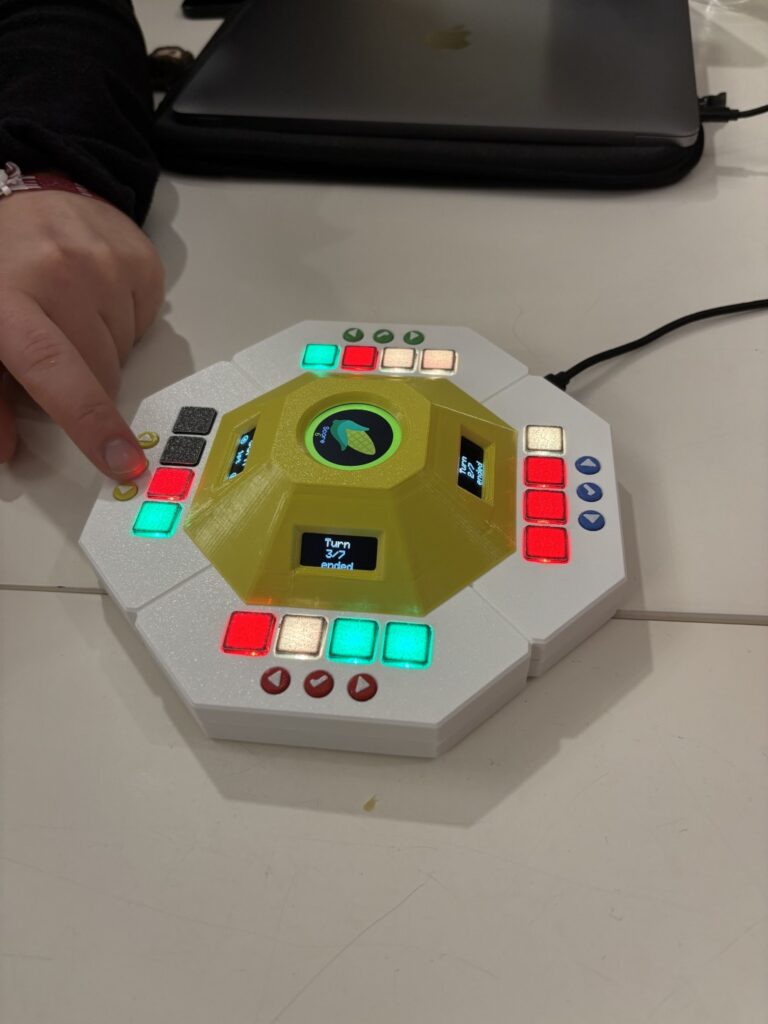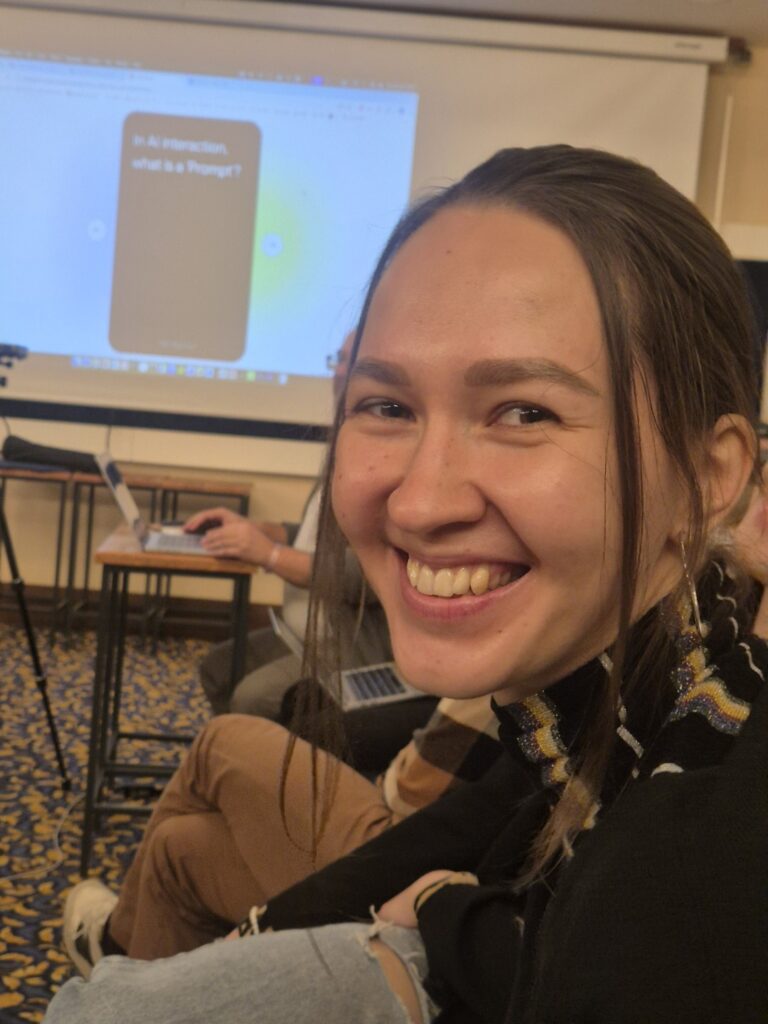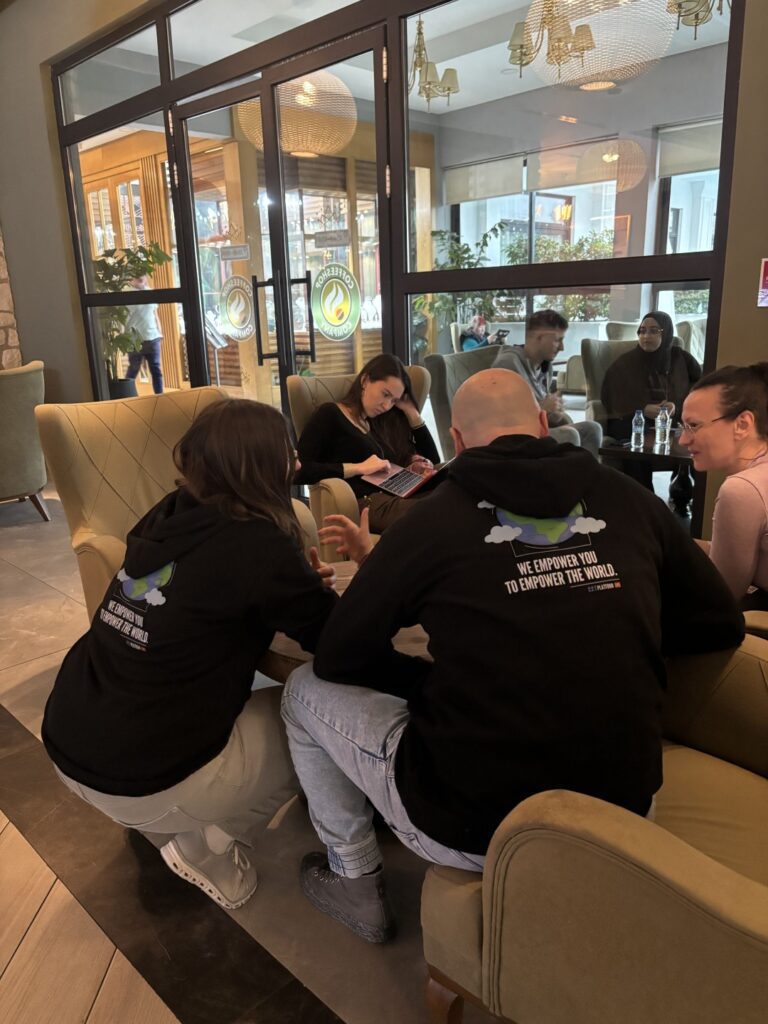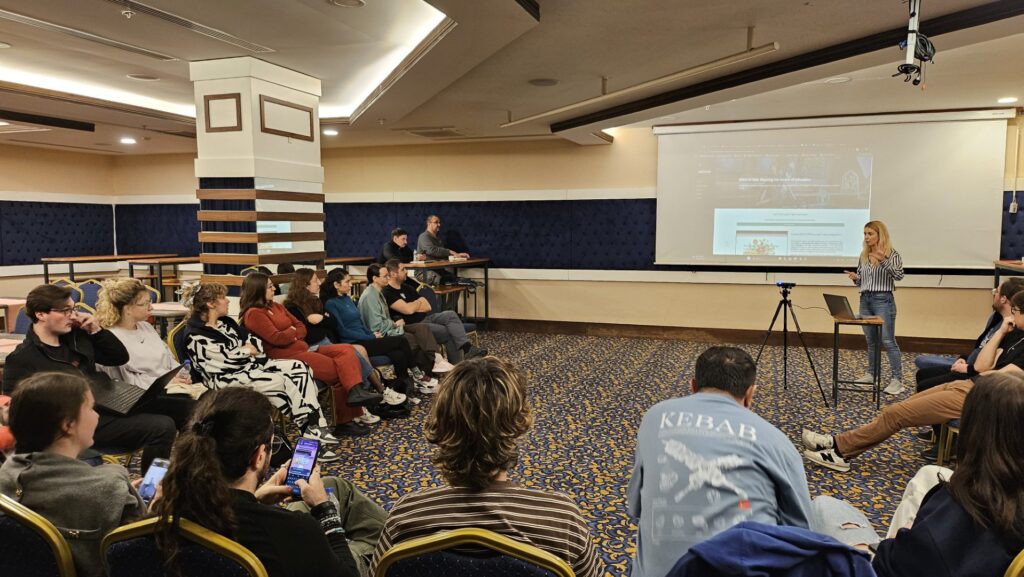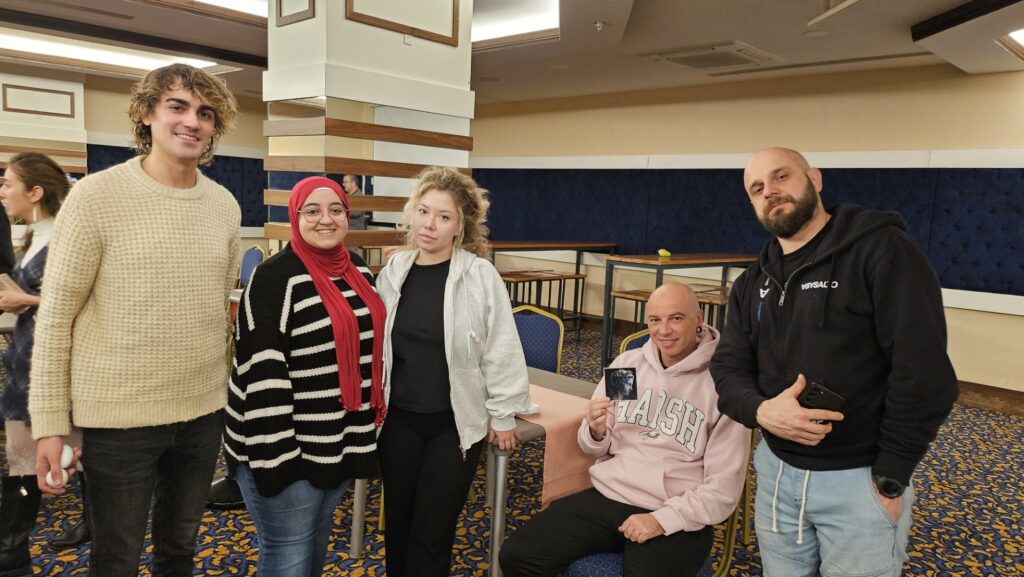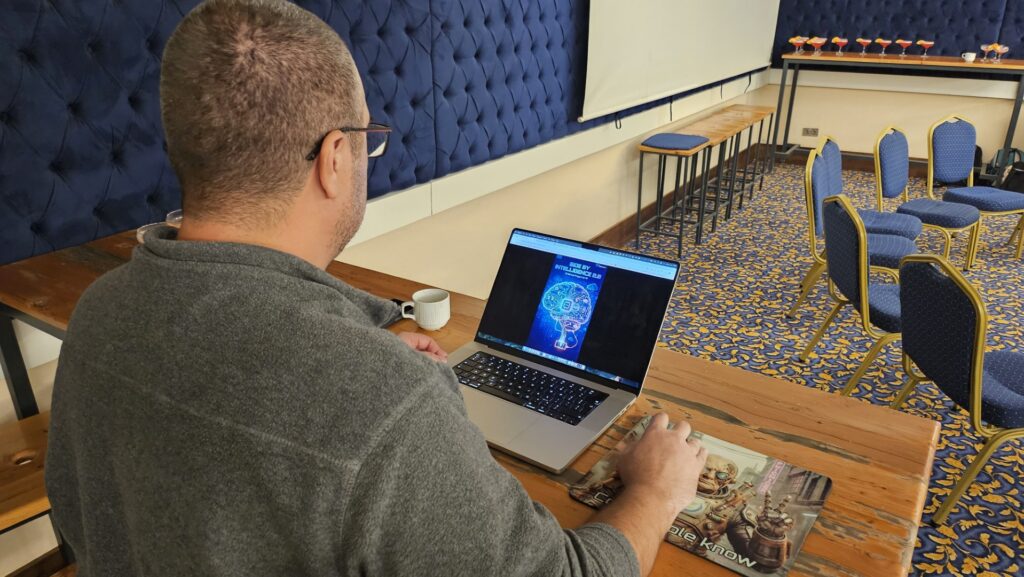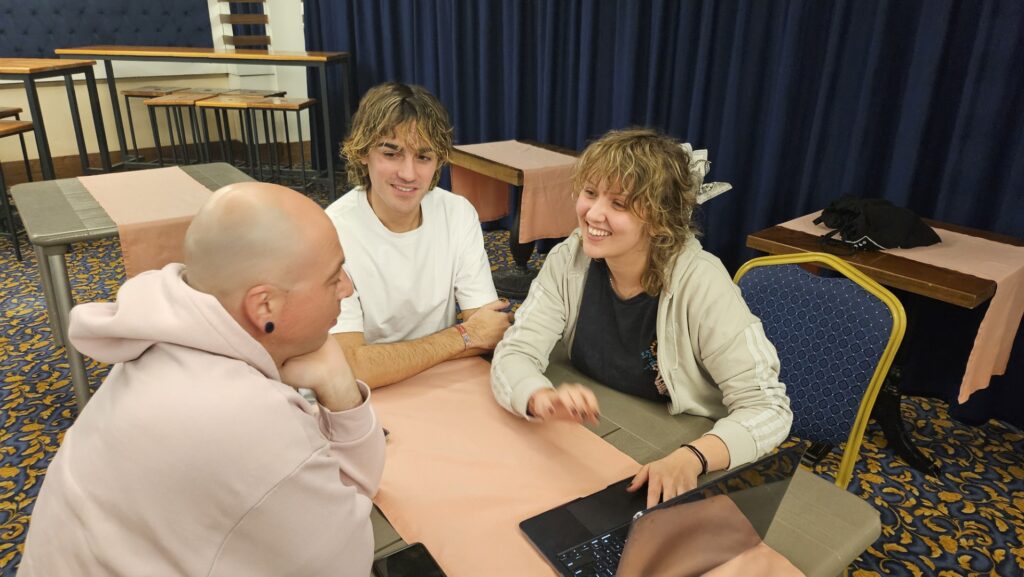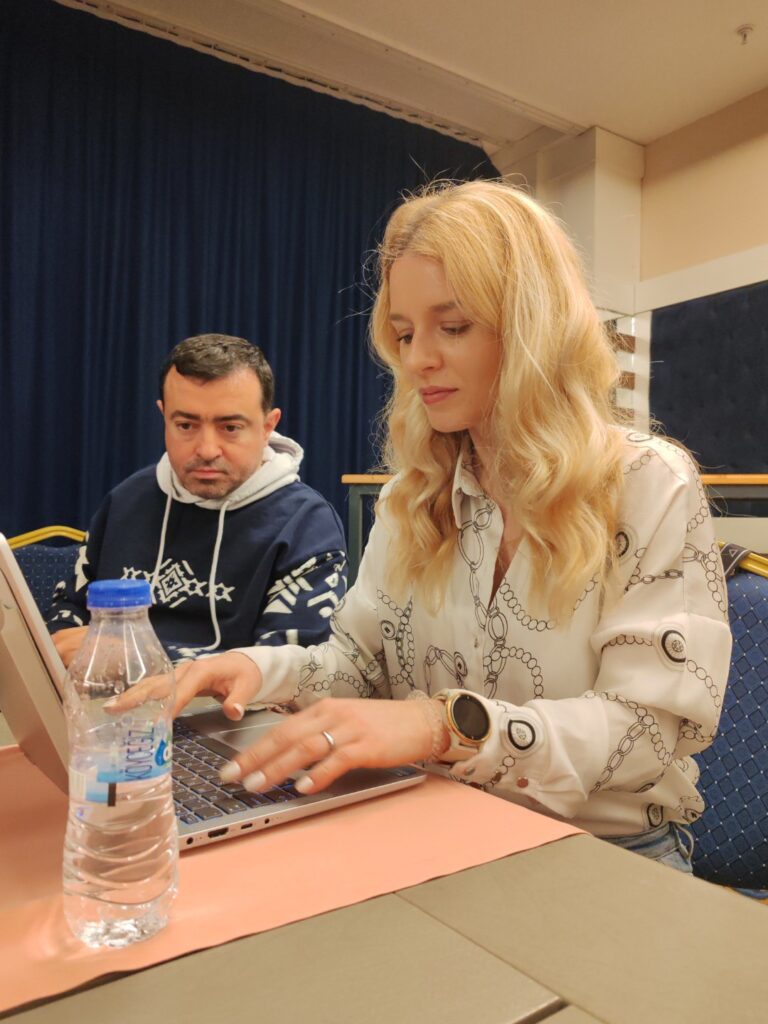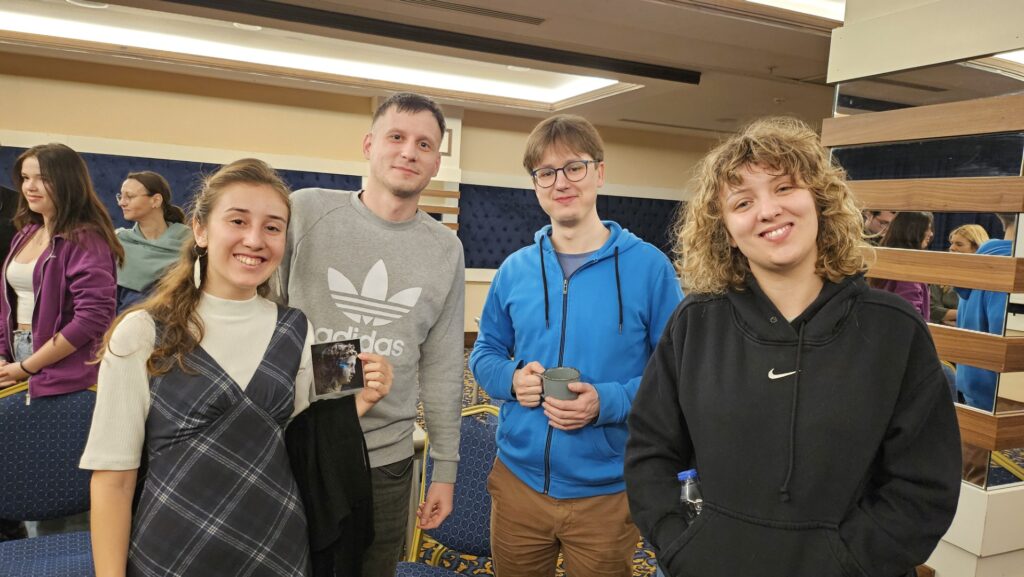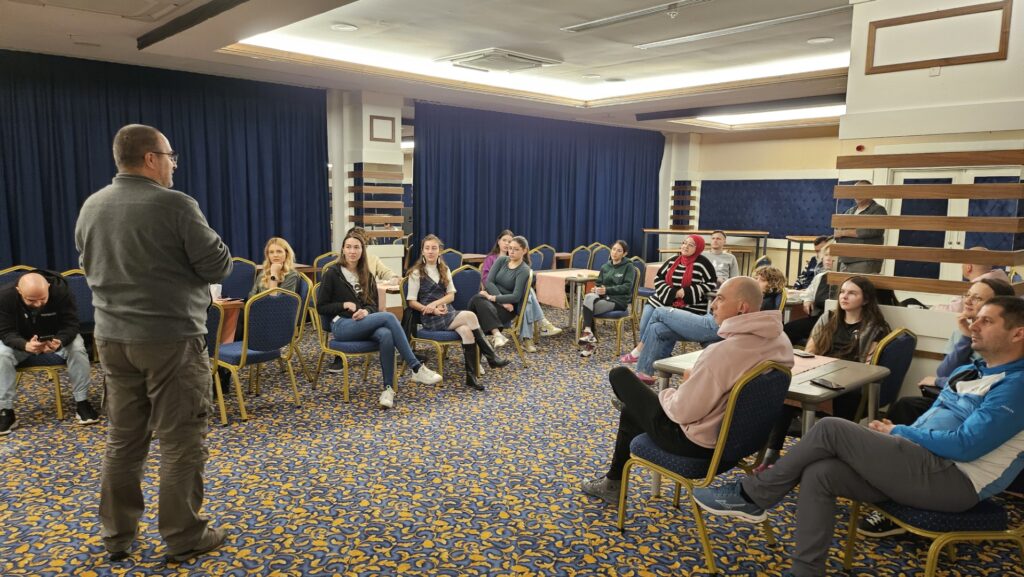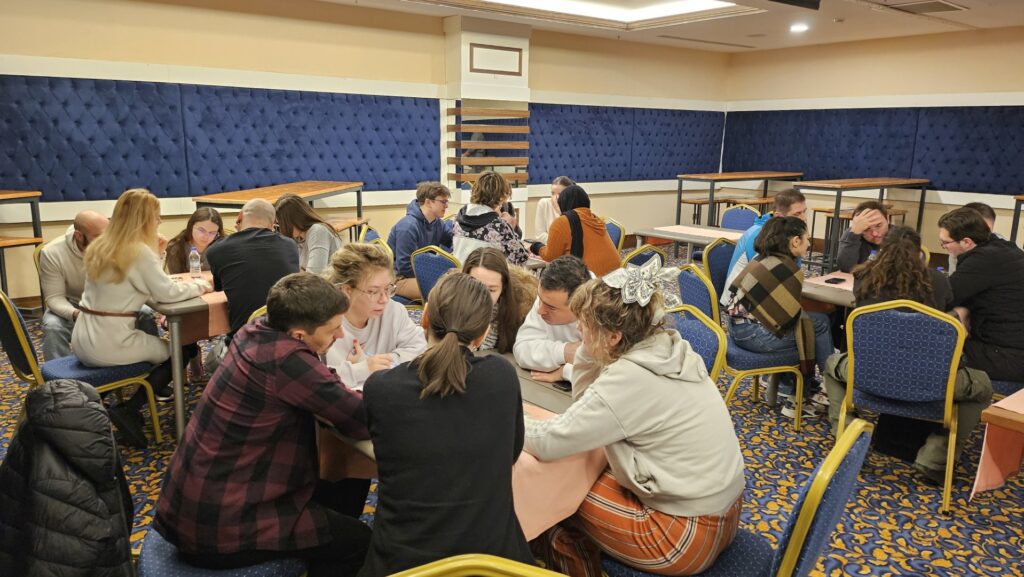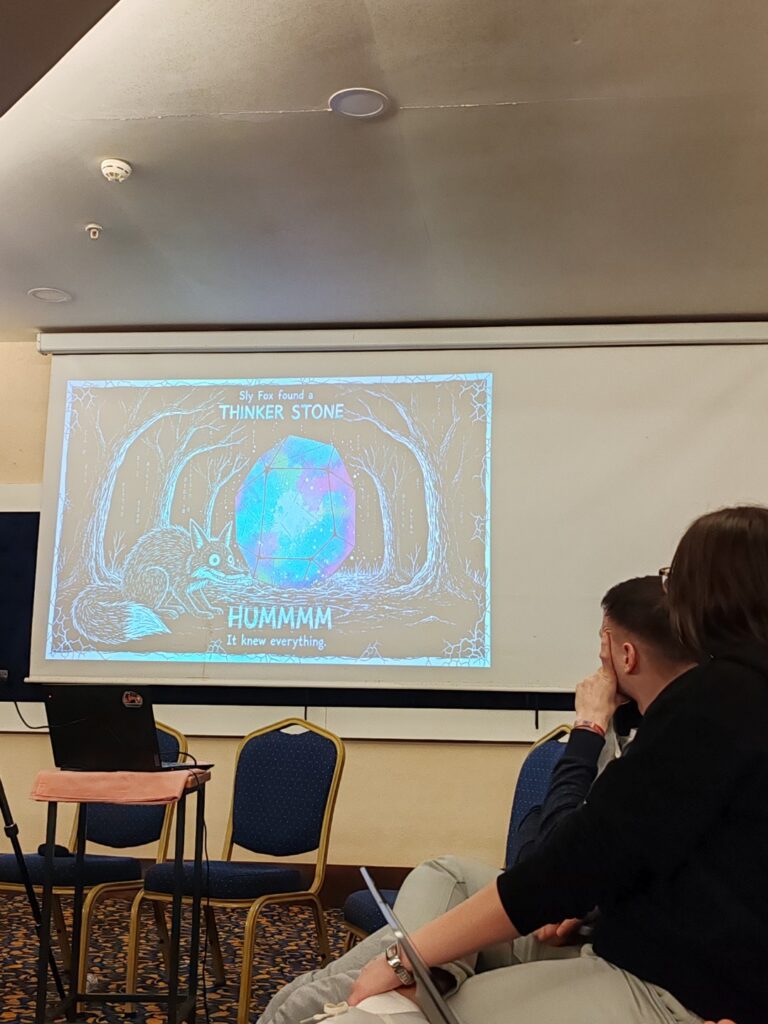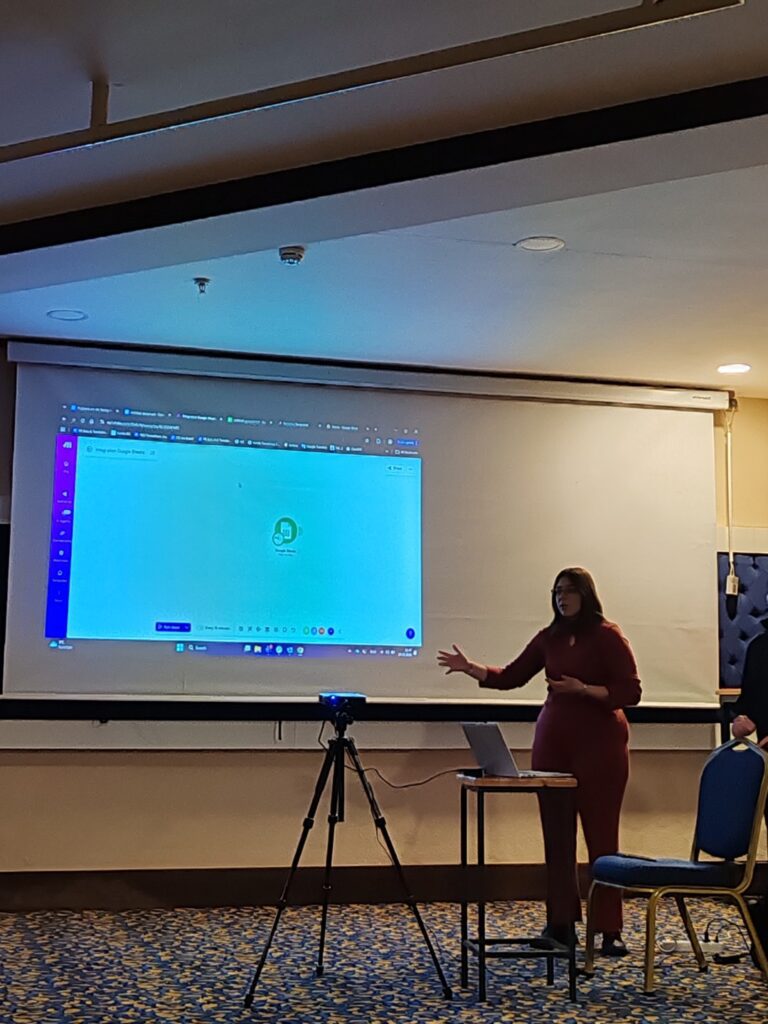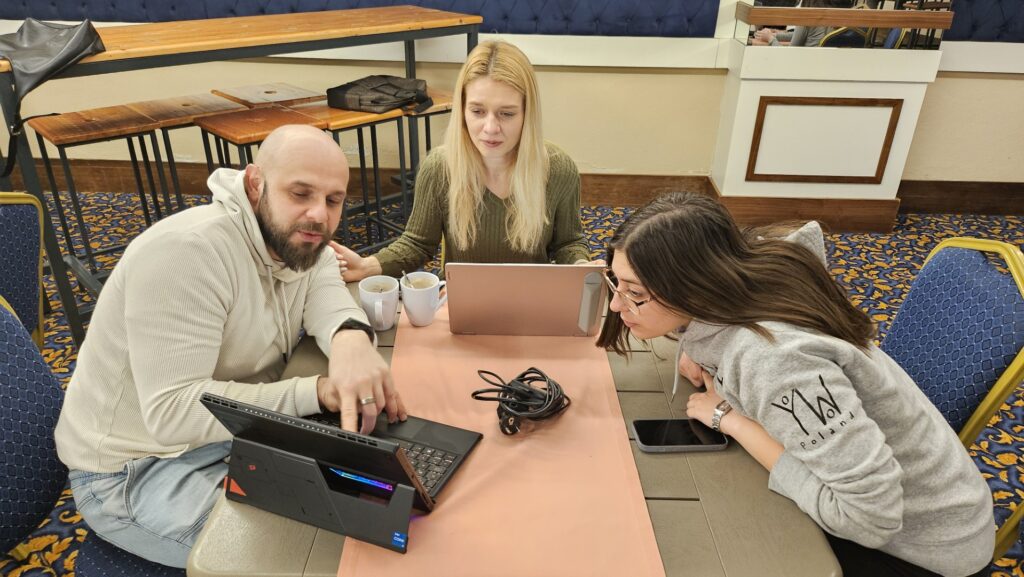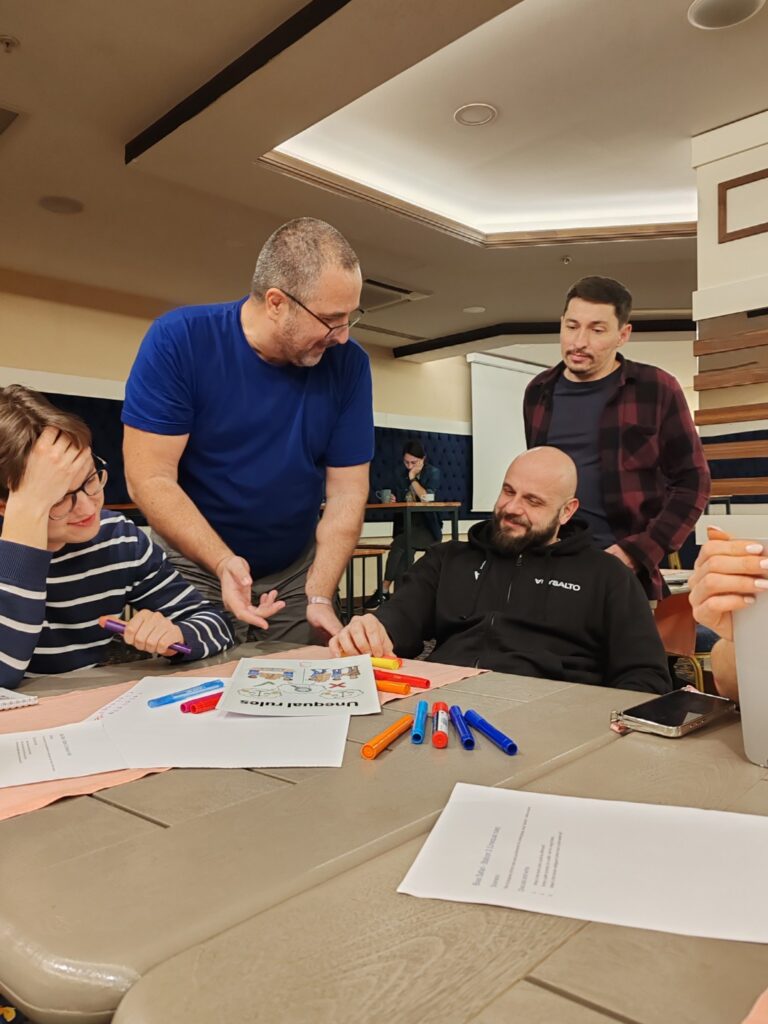
The training course Side of Intelligence 2.0 brought together youth workers and educators from different European countries with the aim of increasing their understanding of artificial intelligence and exploring its practical, ethical, and creative applications in youth work. Participants developed critical digital skills and strengthened their capacity to responsibly integrate AI tools into their daily work with young people.
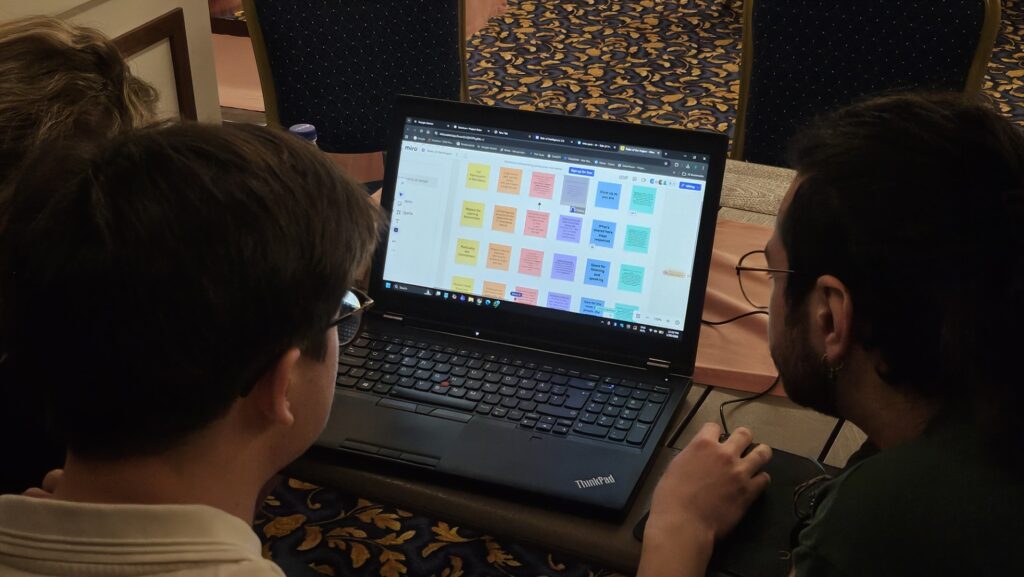
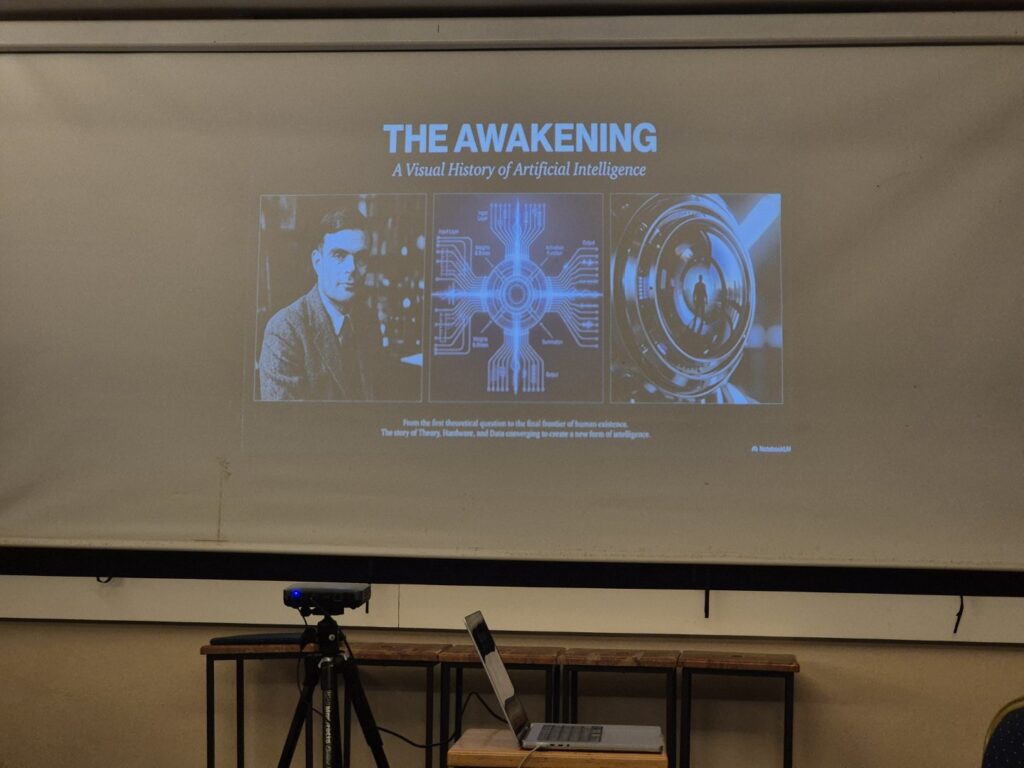
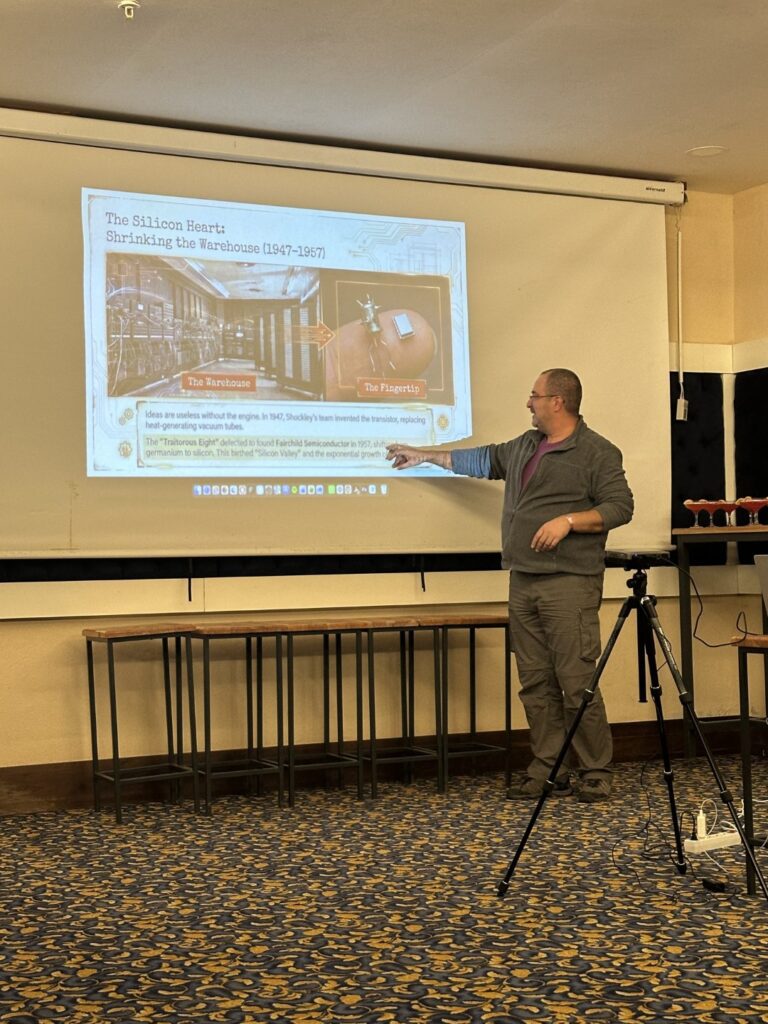
The programme began with setting common rules and expectations and creating a shared working space using a Miro board, which was used throughout the training for collaboration and documentation. Participants were introduced to the history and evolution of AI which provided a solid foundation for the activities that followed.
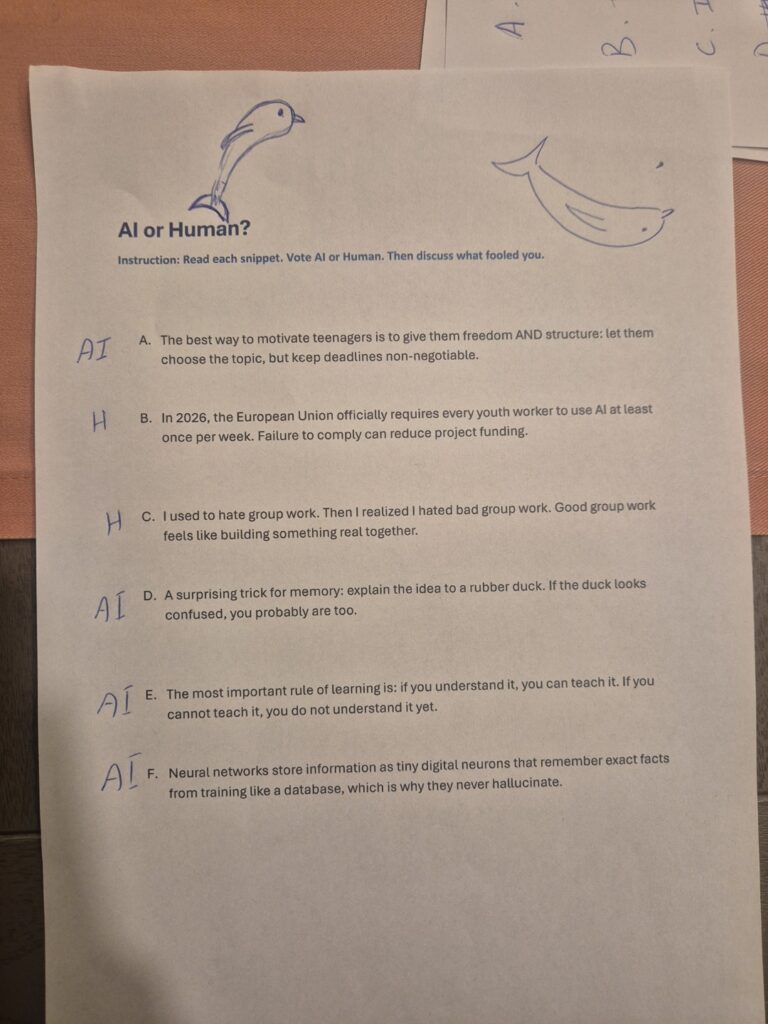
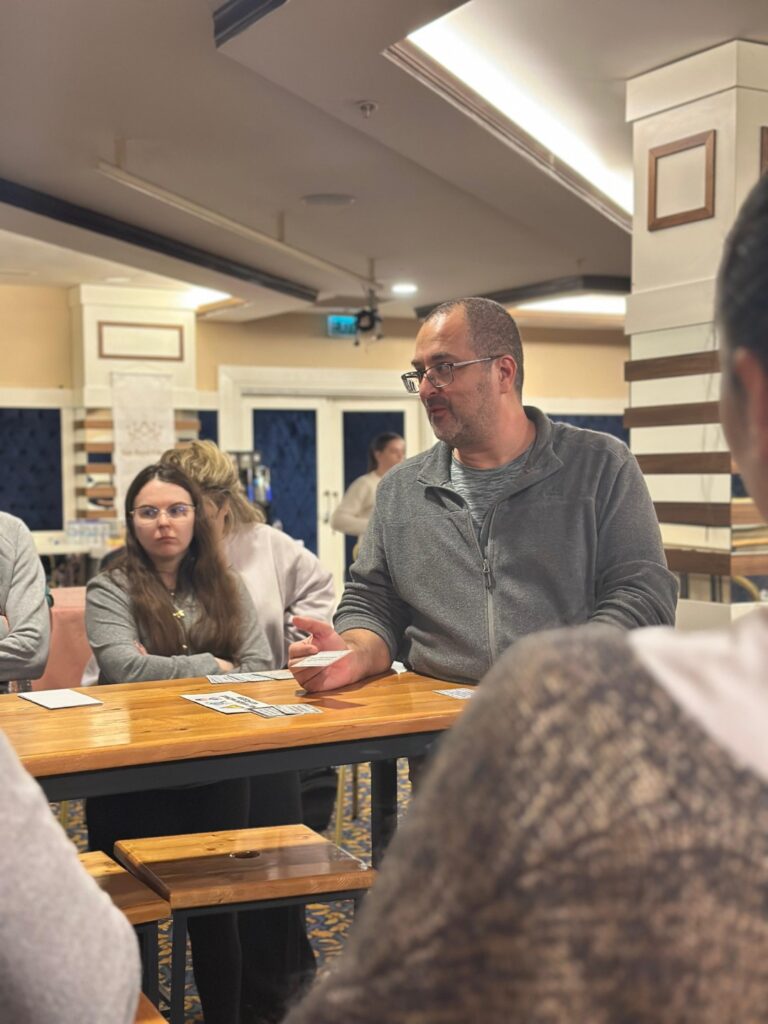
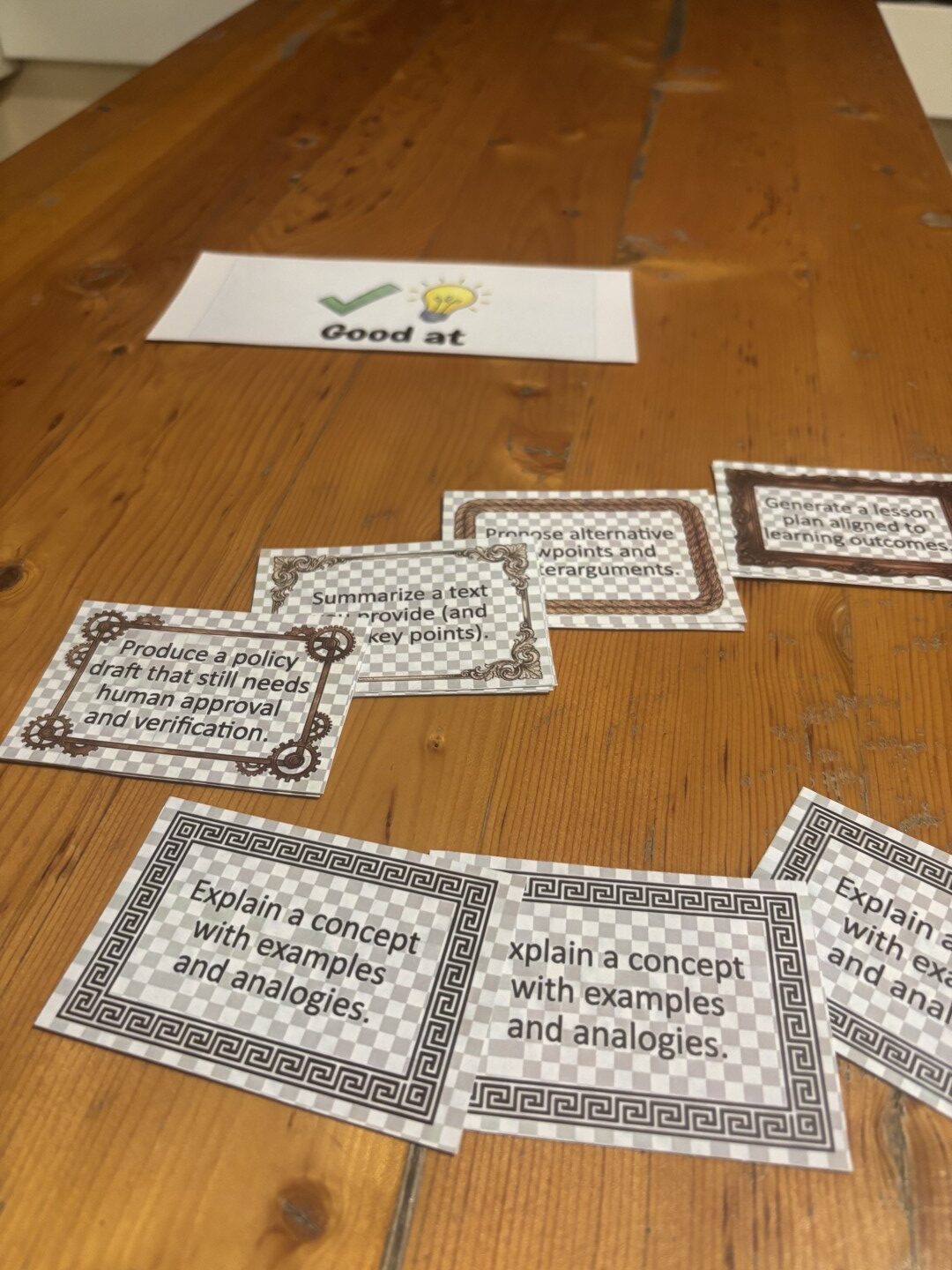
Throughout the training course, participants explored the boundaries between human and AI generated content through interactive exercises such as identifying whether texts were written by humans or AI. Prompt-based group challenges highlighted how different instructions shape AI outputs, while comparisons between multiple AI models helped participants better understand strengths, limitations and reliability issues. Participants reflected on what AI is good at, what it can sometimes support, and where human verification remains essential.
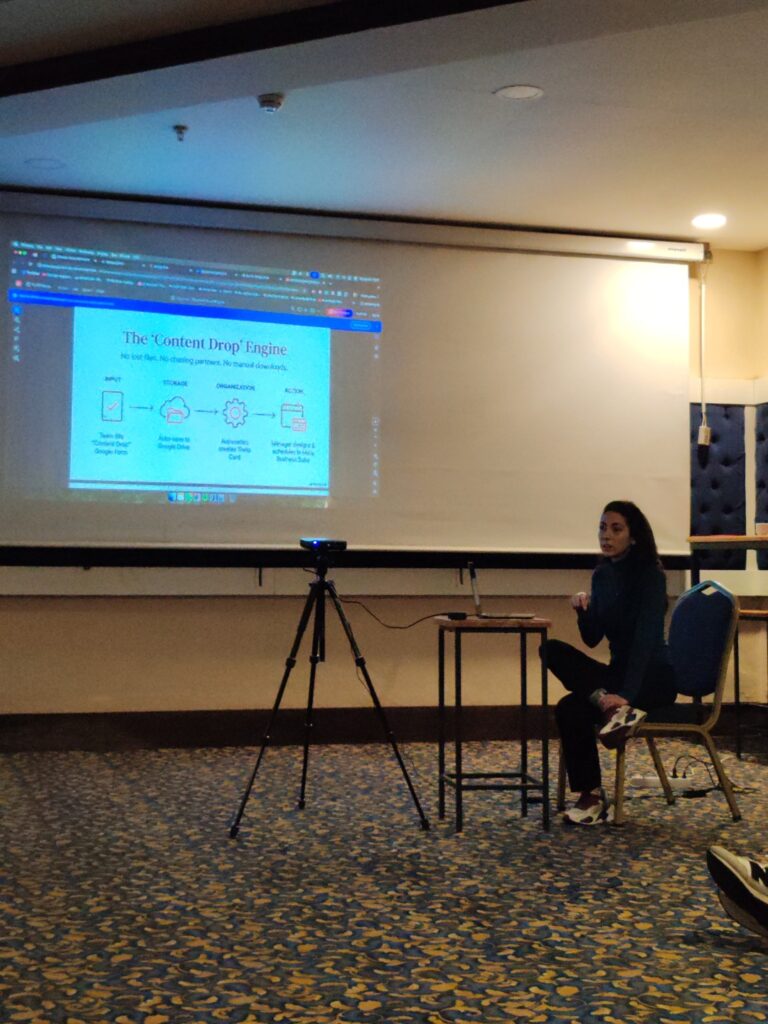
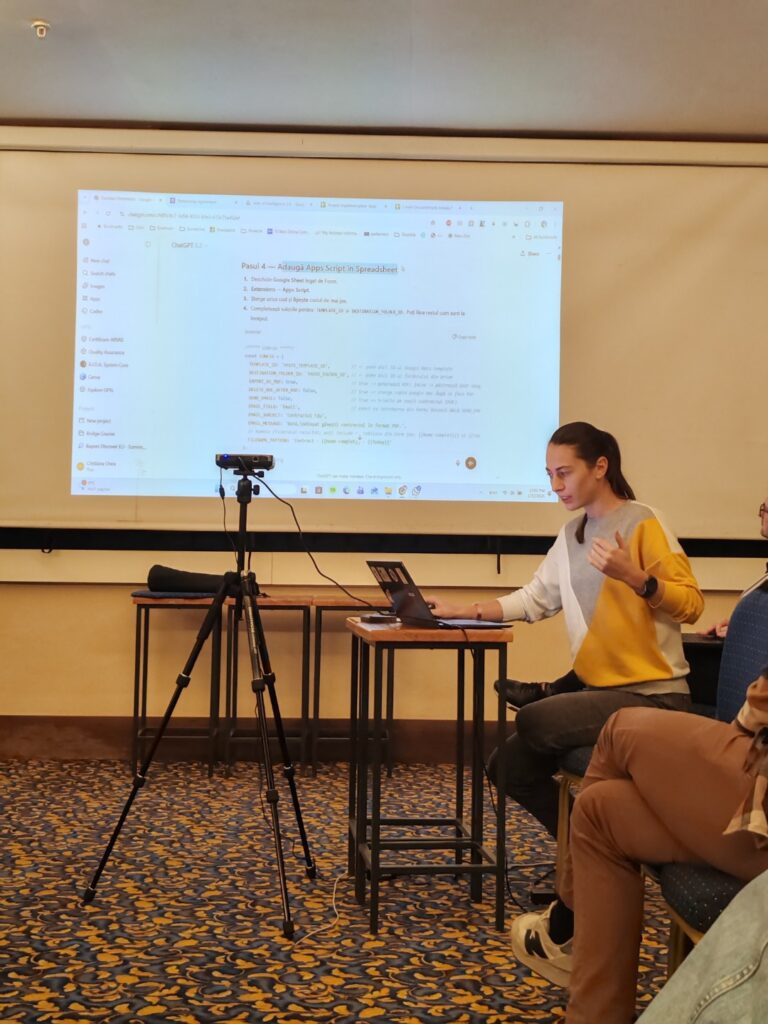
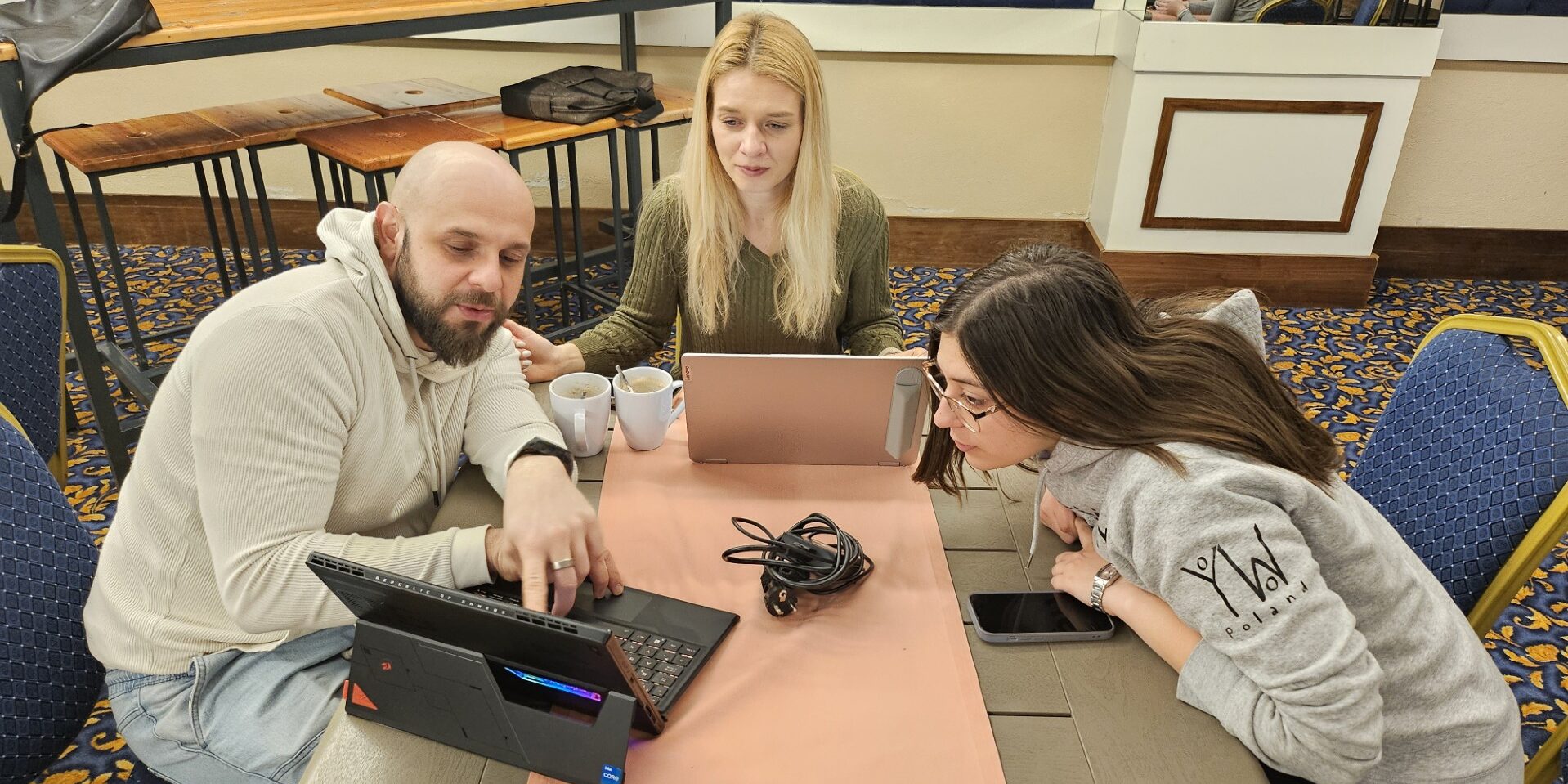
There was also a glossary competition which helped participants familiarize themselves with key AI-related terminology in an engaging way. Examples of automation in practice were explored, including how digital tools are used within youth organisations. Building on this, groups identified real challenges faced by youth workers and collaboratively developed AI supported solutions to address them.
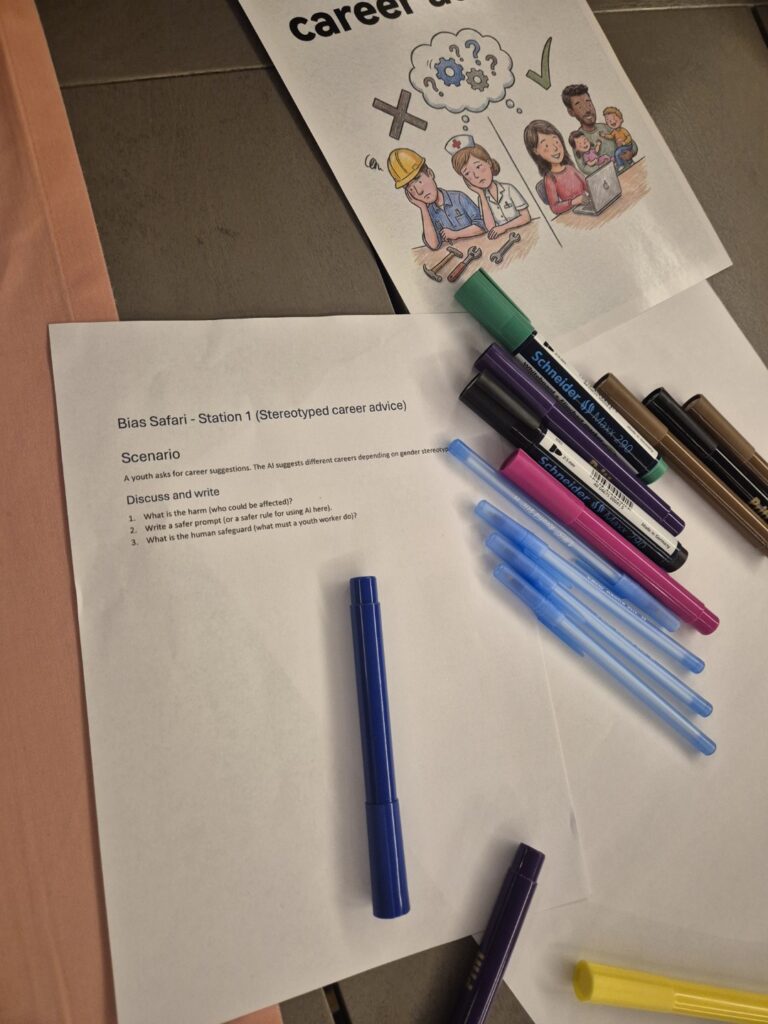
Another thing that was addressed were ethical considerations. This was done through bias scenarios and a fishbowl discussion method. Participants reflected on responsibility, inclusion and fairness in AI use. The programme also included a creative storytelling activity, during which participants used AI tools to co-create short stories.
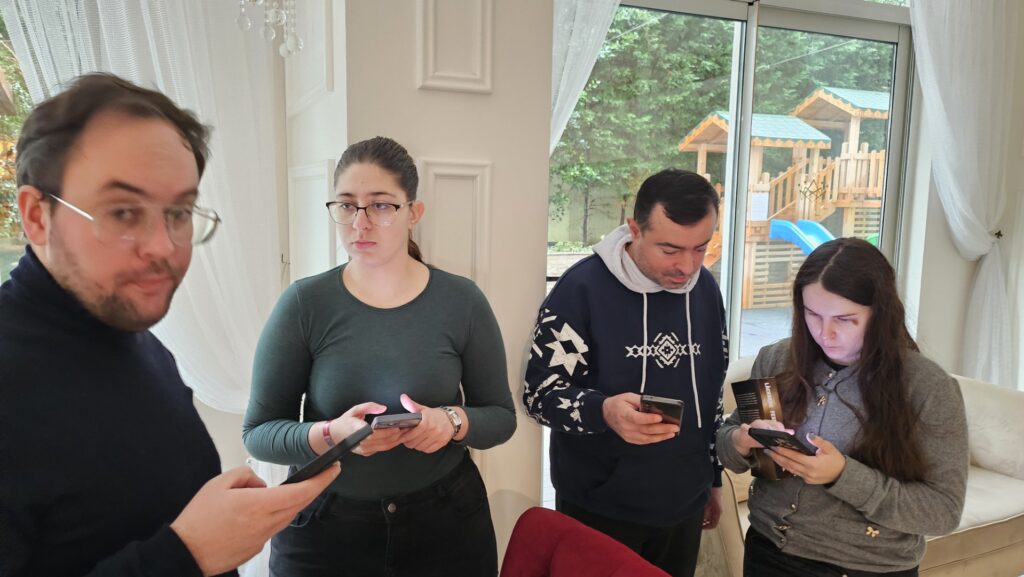
One of the most engaging activities was an AI-powered treasure hunt. Participants were guided by a custom GPT called A.I.D.A., which provided clues and riddles leading them to different locations around the hotel. Each successfully solved riddle unlocked the next challenge. One clue referred to a “duck near the water’s edge”, which led participants to discover a duck-shaped thermometer in the pool. By analysing its colors and hidden details, participants were supposed to connect the clue to the Romanian flag. This activity stood out as a creative and memorable example of how AI can be used to design immersive, playful learning experiences that encourage teamwork, problem-solving, and critical thinking.
Overall, Side of Intelligence 2.0 successfully combined technical knowledge with creative experimentation. The training not only increased participants’ confidence in using AI tools, but also reinforced the importance of ethical awareness and human judgement. Beyond skills and knowledge, the course fostered a strong sense of collaboration and curiosity, encouraging participants to continue exploring AI as a tool for empowering young people and strengthening youth work practices.
In the spirit of the training course, this text was written with the support of AI 🙂