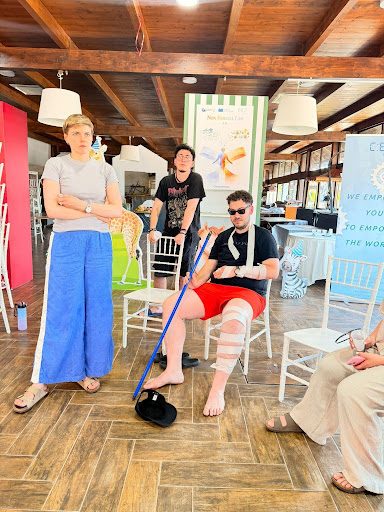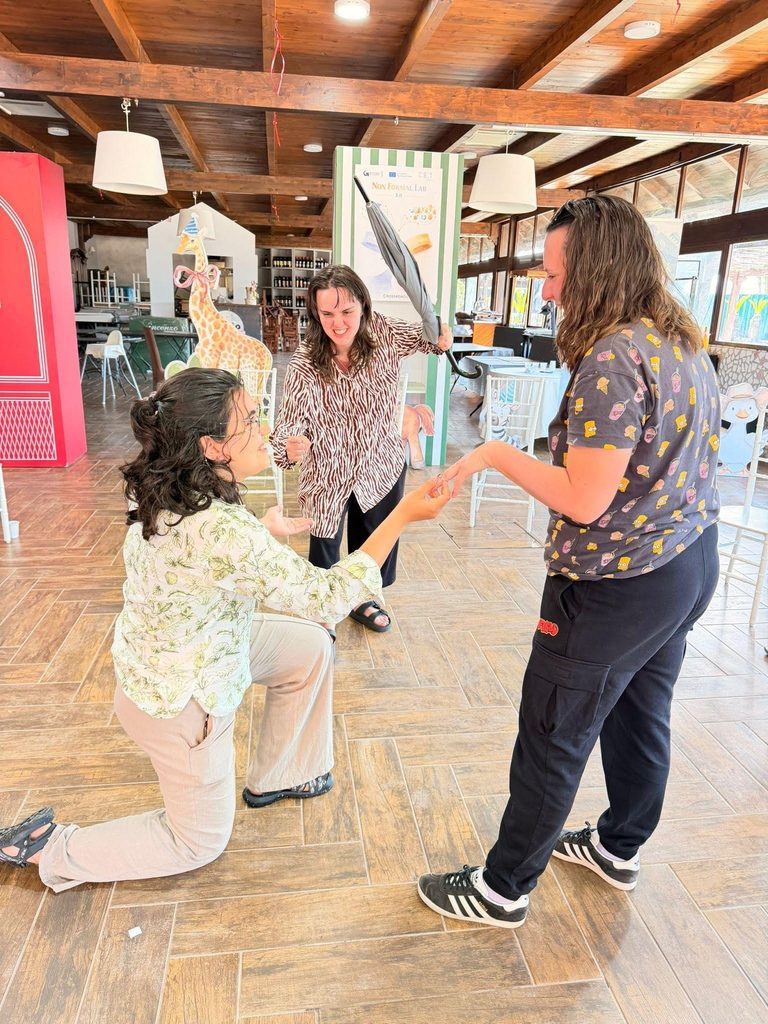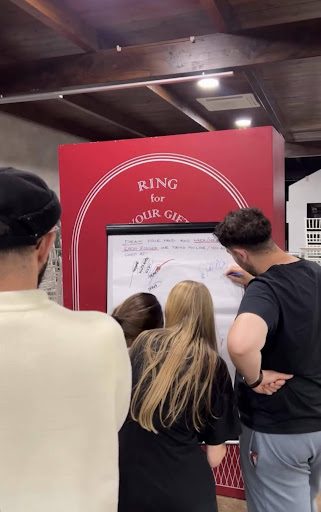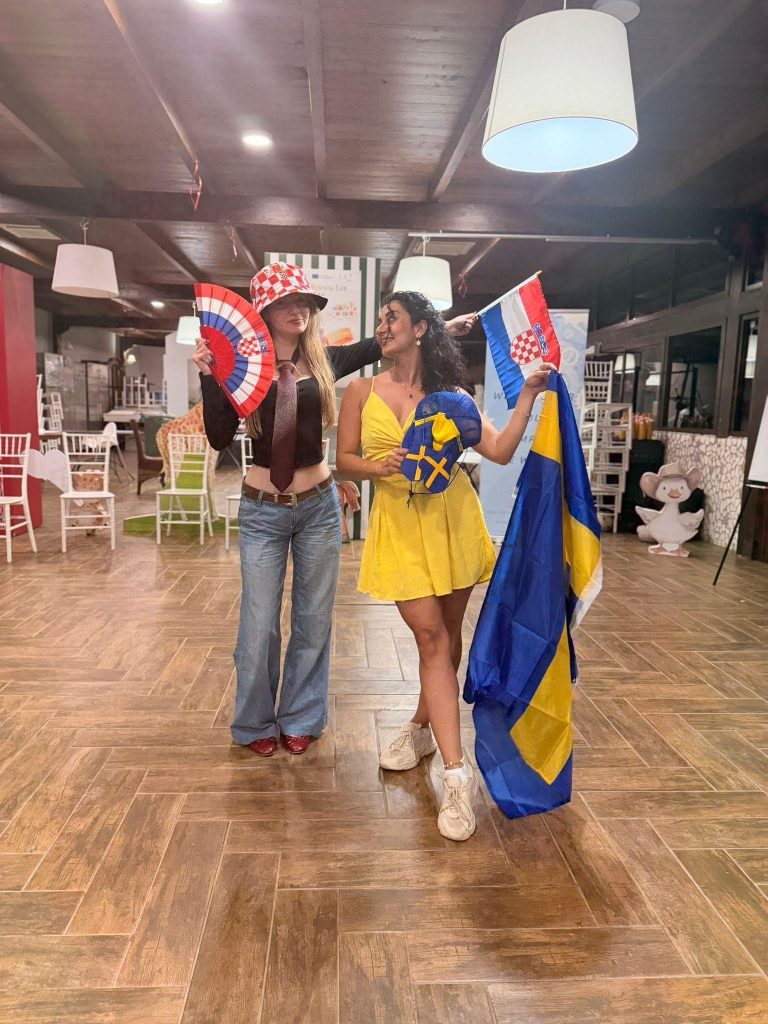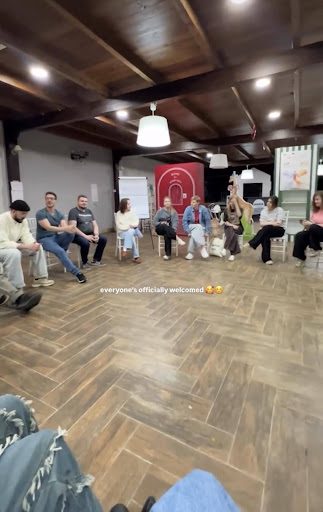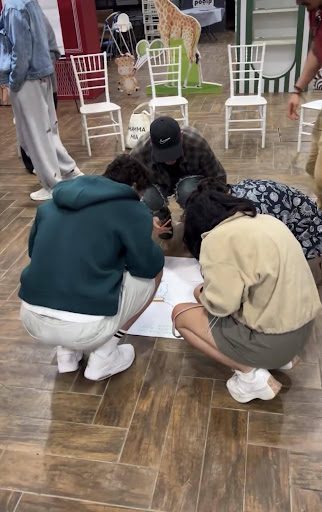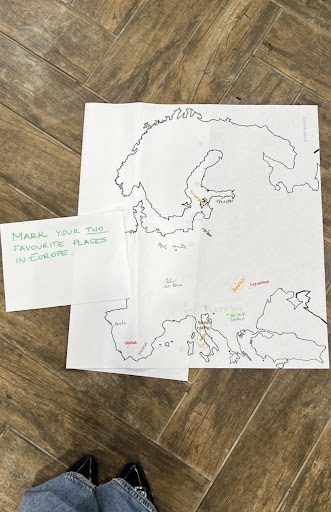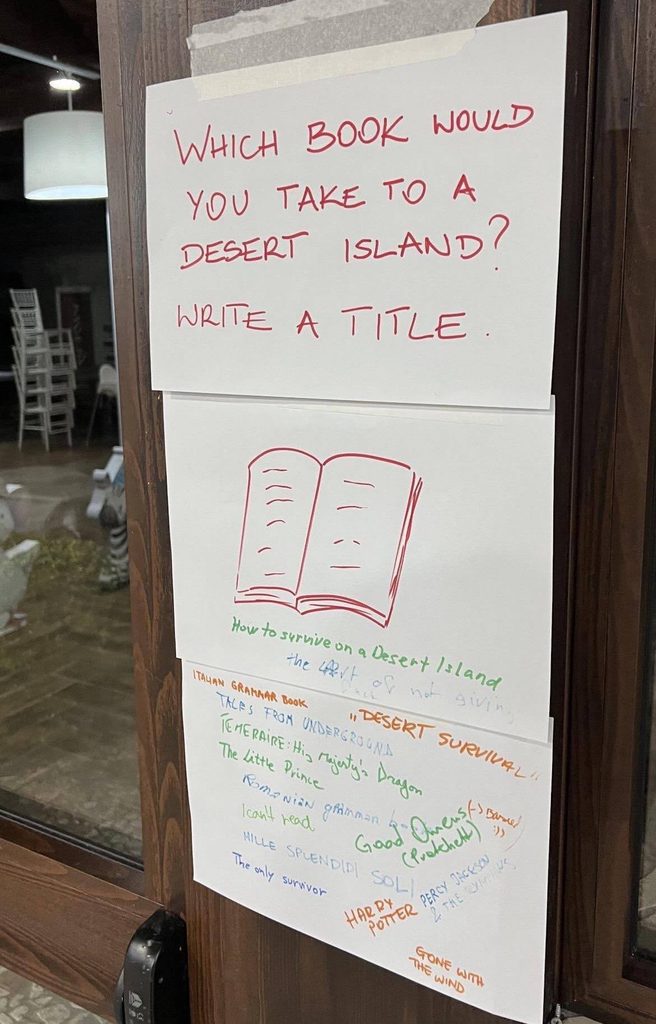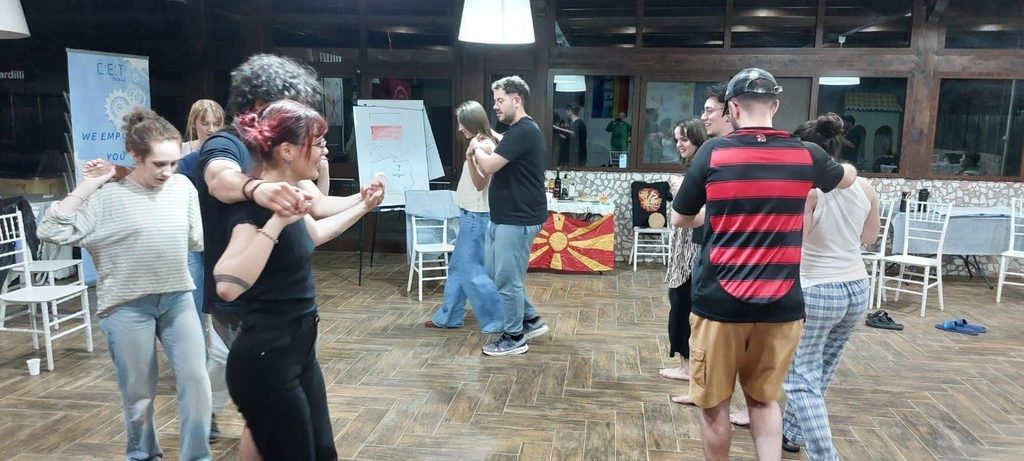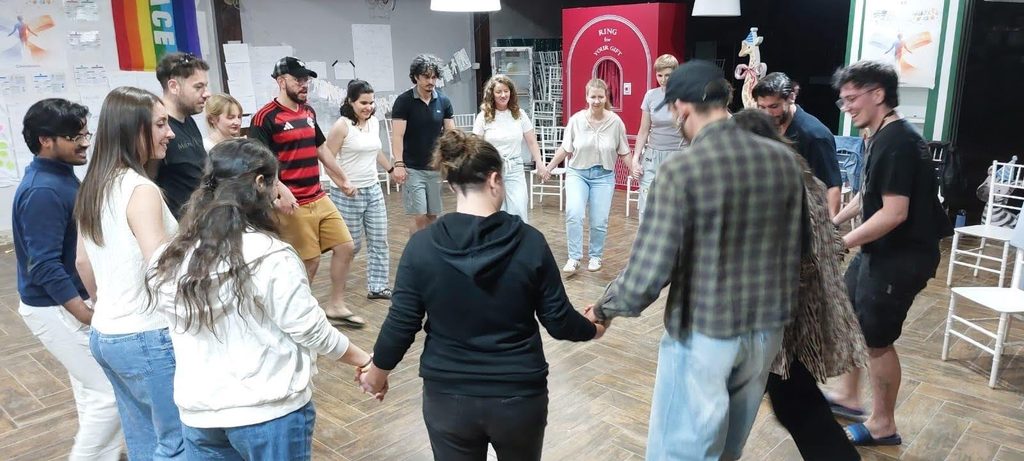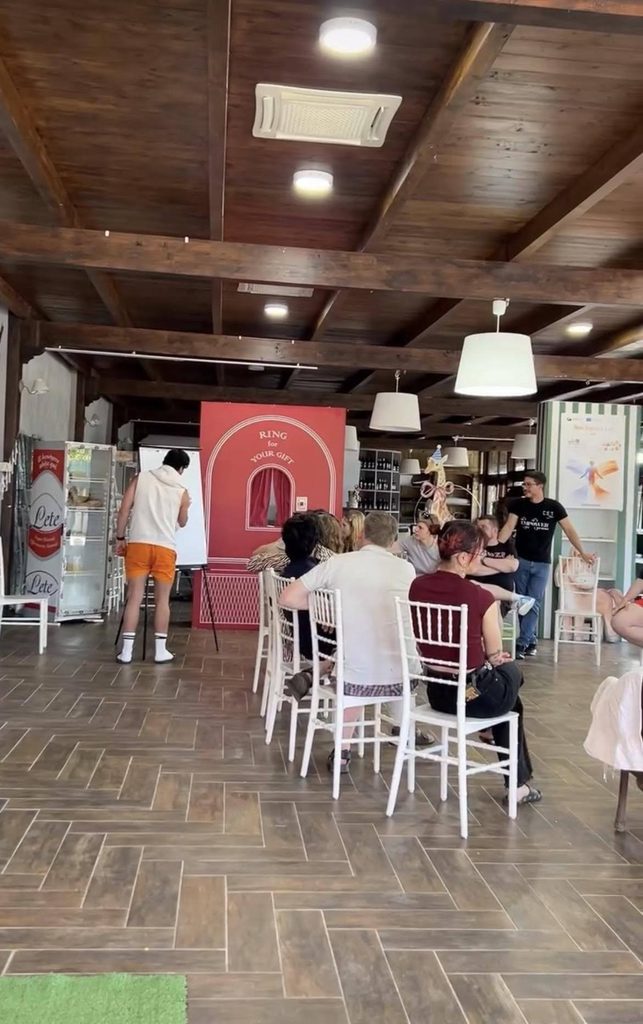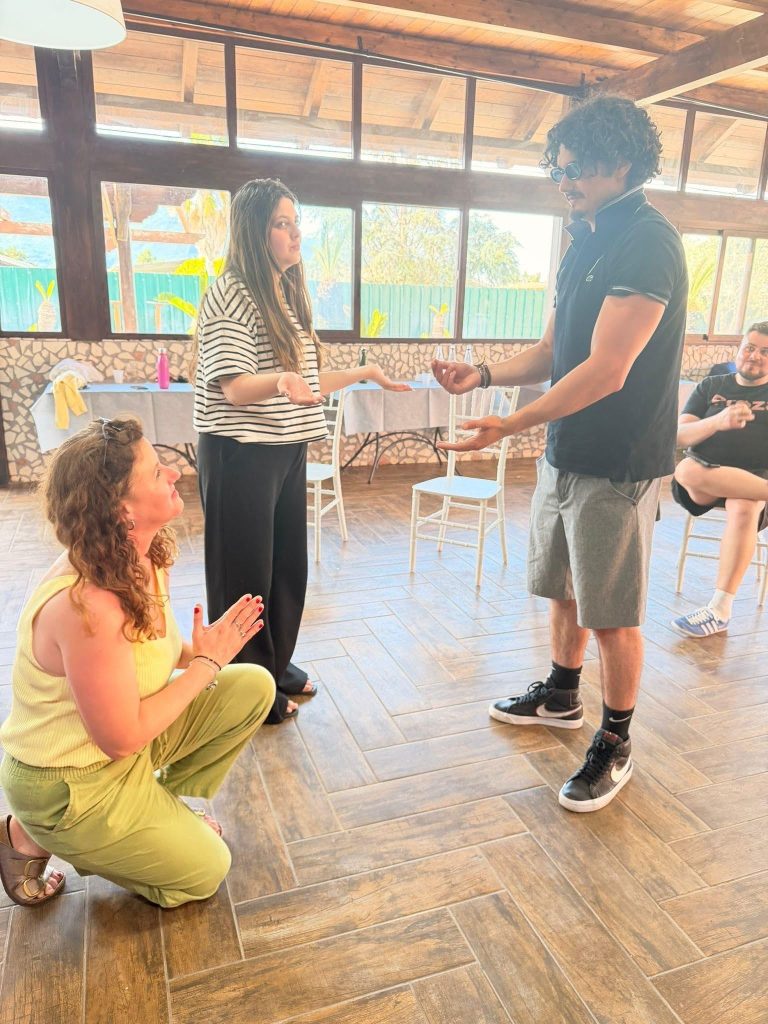
The Erasmus+ project Non Formal Lab 3.0 – Crossroads brought together participants from different European countries with the aim of exploring the connection between non-formal education, intercultural learning and active youth participation. The activity created a dynamic learning environment where young people and youth workers could exchange experiences, develop new competences and learn from diverse cultural perspectives.
The main objectives of the project were to promote non-formal learning methodologies, strengthen communication and teamwork skills, encourage creativity and critical thinking, and provide participants with practical tools that can be applied in youth work and community activities. Throughout the project, participants actively engaged in workshops, simulations, reflection sessions, group discussions and experiential learning activities.
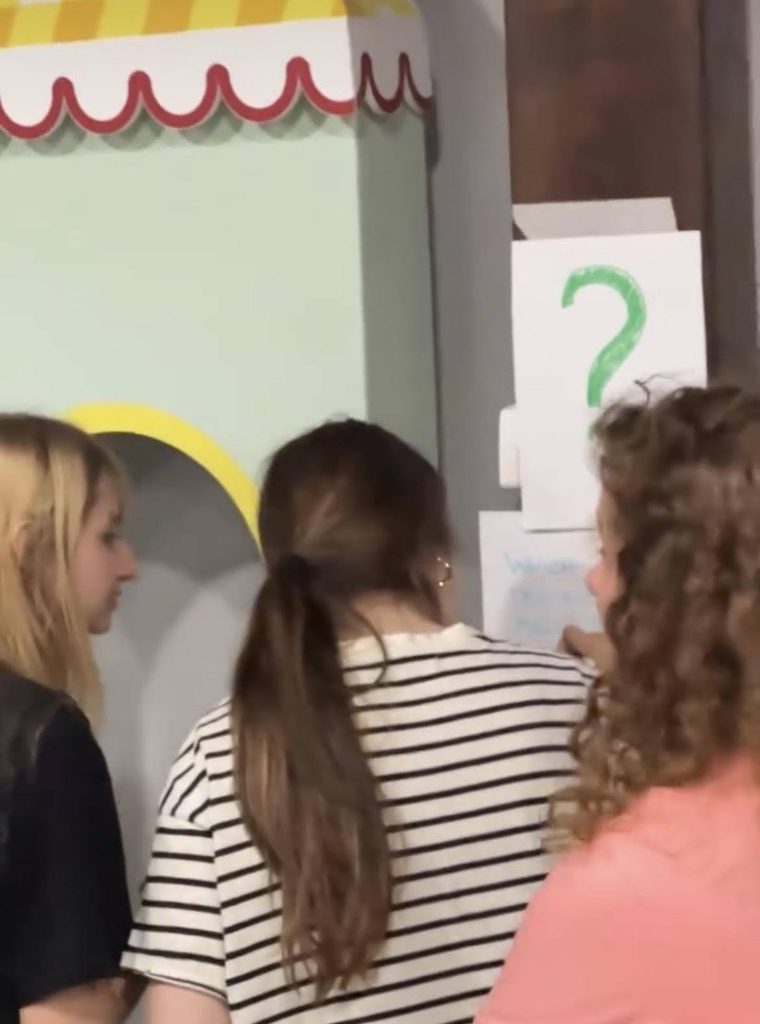
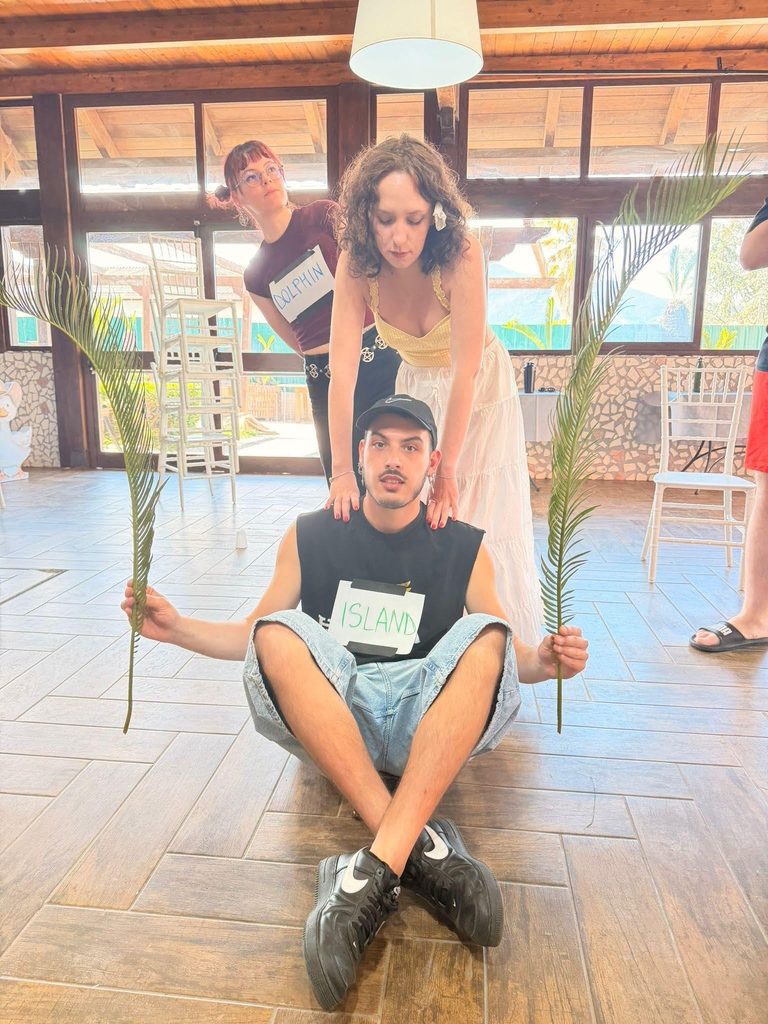
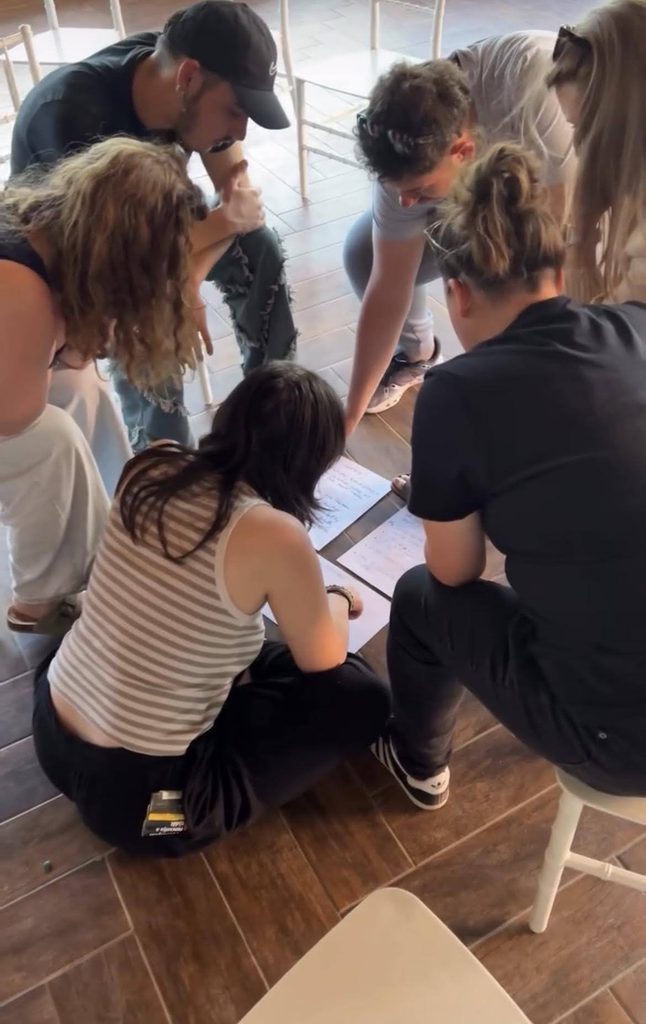
One of the most valuable aspects of the project was the opportunity to work in multicultural teams. Through various interactive exercises, participants learned how to cooperate with people from different backgrounds, overcome communication barriers and appreciate cultural diversity. Activities such as role-playing, group challenges, creative presentations and team-building exercises helped create a supportive and inclusive atmosphere.
The project also included sessions focused on self-expression, storytelling, problem-solving and non-formal educational methods. Participants explored innovative approaches to learning through experience and reflection, while sharing examples of good practices from their own countries and organizations. These activities encouraged active participation and allowed everyone to contribute their ideas and perspectives.
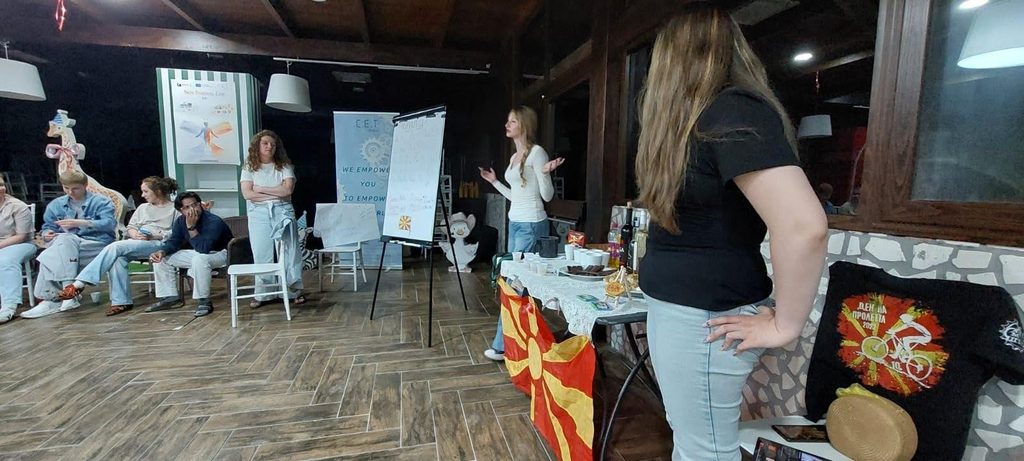
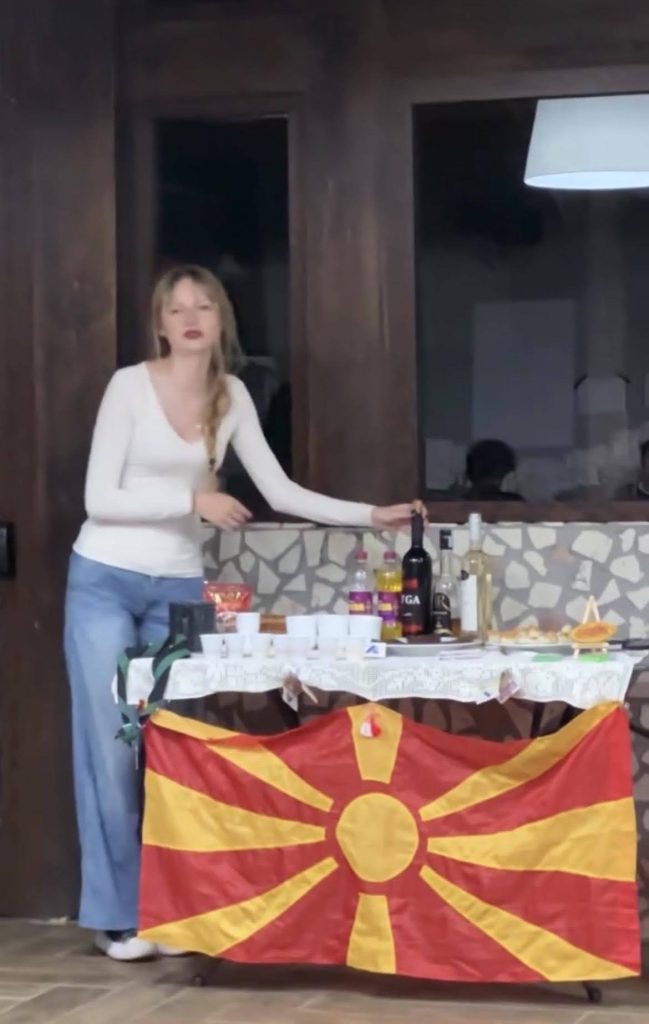
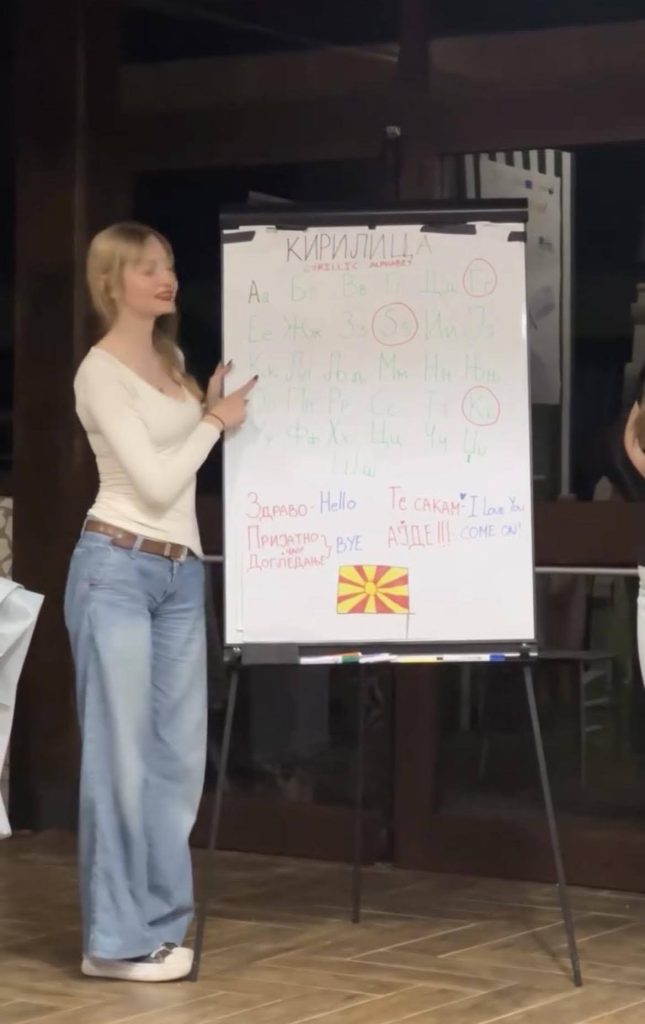
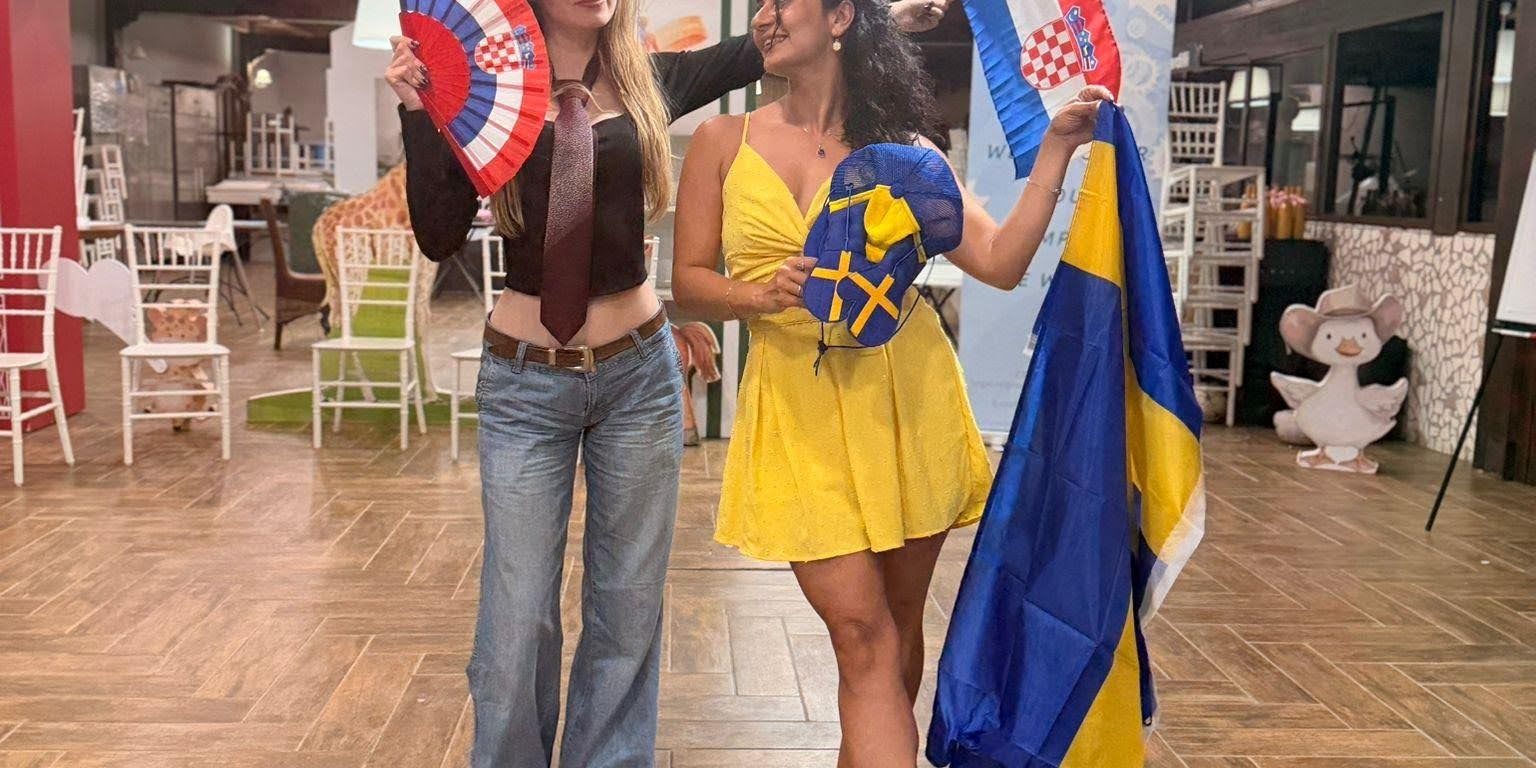
In addition to the educational program, the intercultural dimension played a significant role in the project. Participants presented elements of their cultures, traditions and values, which helped strengthen mutual understanding and intercultural dialogue. Informal moments, social activities and collaborative tasks further contributed to building friendships and meaningful international connections.
Overall, the project was a highly enriching experience that provided participants with new knowledge, practical skills and inspiration for future initiatives. The activity strengthened international cooperation, promoted the value of non-formal education and encouraged participants to become more active in their communities. The experience will have a positive impact on future youth work activities and potential Erasmus+ collaborations.
Здружение за едукација и тренинг ЦЕТ ПЛАТФОРМА Скопје
ЦЕТ платформа
Здружение за едукација и тренинг

- Почетна
- За нас
- Проекти
- Реализирани проекти
- Stoic Principles in Modern Entrepreneurship
- Urban Regeneration
- Eco(logical) Youth
- No equipment? No problem!
- Comedy as a Tool
- Be Happy, Be a Polyglot
- From Zero to Hero
- Young Online Entrepreneurs
- It is All About Love
- Education 4.0 for Youth
- Exodus
- Covidmembrance
- Living Spaces
- Заштита на младите работници во време на Ковид-19
- Здружени за посилно граѓанско општество
- Еразмус+
- Реализирани проекти
- Отворени повици
- Соопштенија
- Контакт
- Почетна
- За нас
- Проекти
- Реализирани проекти
- Stoic Principles in Modern Entrepreneurship
- Urban Regeneration
- Eco(logical) Youth
- No equipment? No problem!
- Comedy as a Tool
- Be Happy, Be a Polyglot
- From Zero to Hero
- Young Online Entrepreneurs
- It is All About Love
- Education 4.0 for Youth
- Exodus
- Covidmembrance
- Living Spaces
- Заштита на младите работници во време на Ковид-19
- Здружени за посилно граѓанско општество
- Еразмус+
- Реализирани проекти
- Отворени повици
- Соопштенија
- Контакт