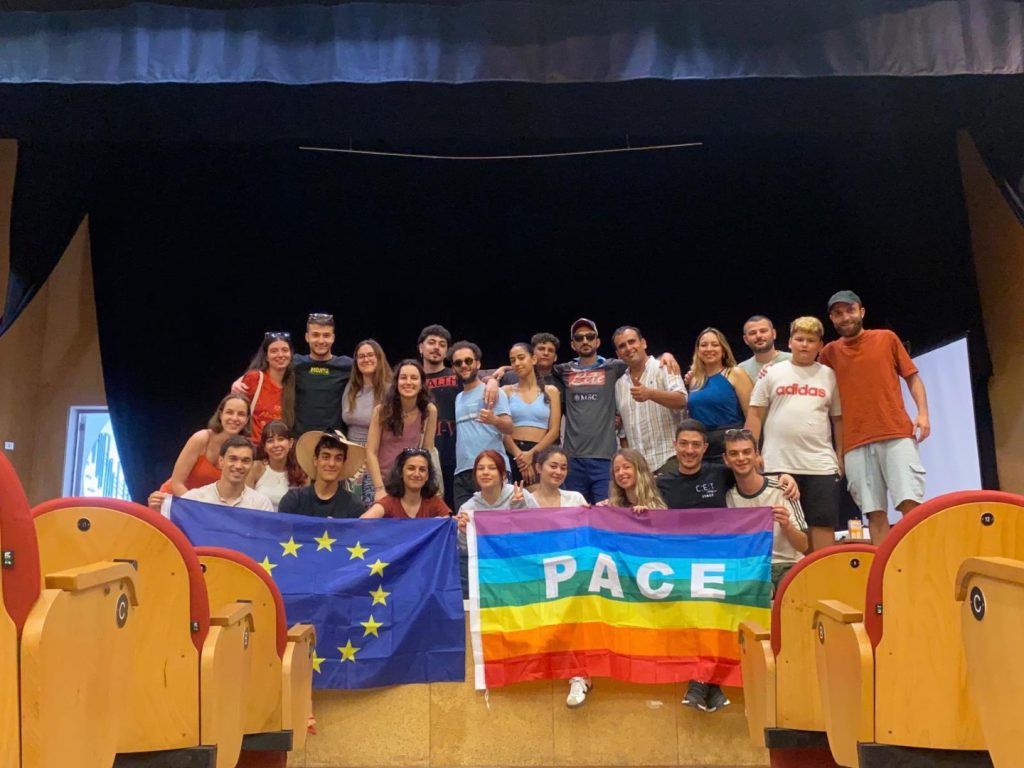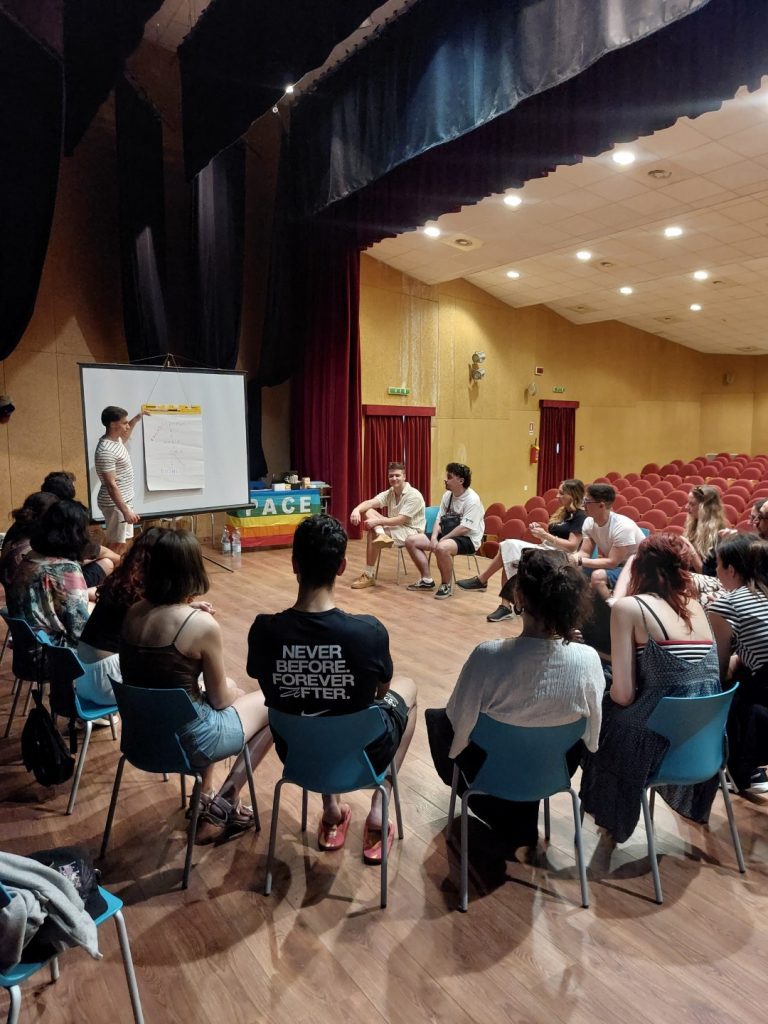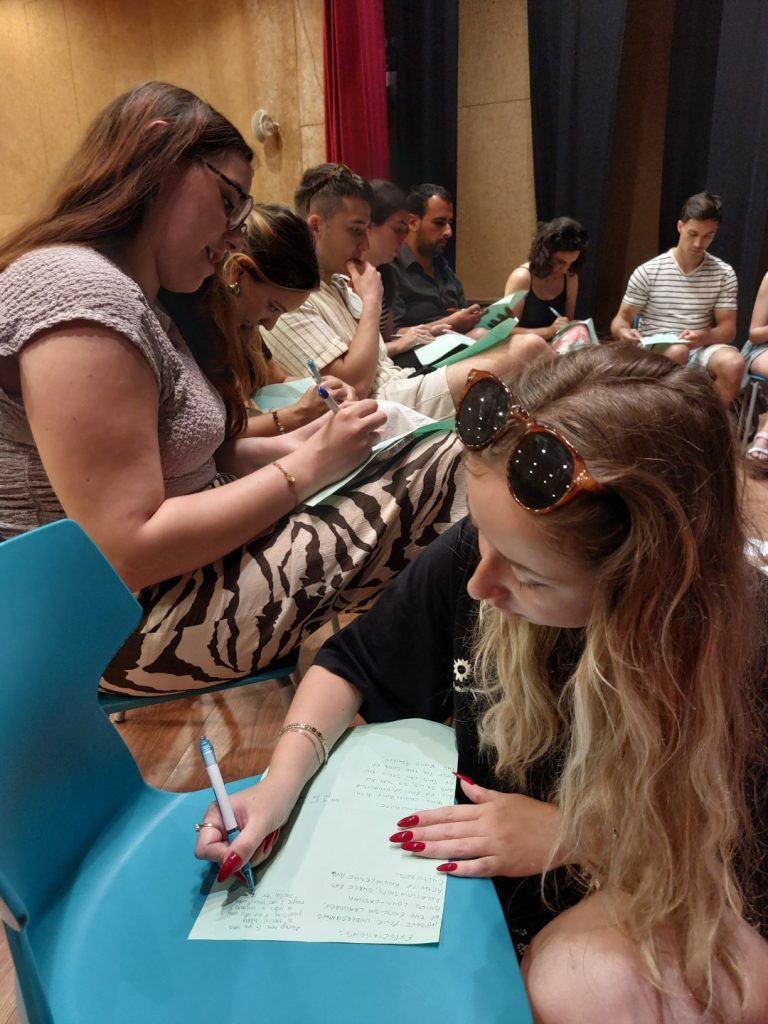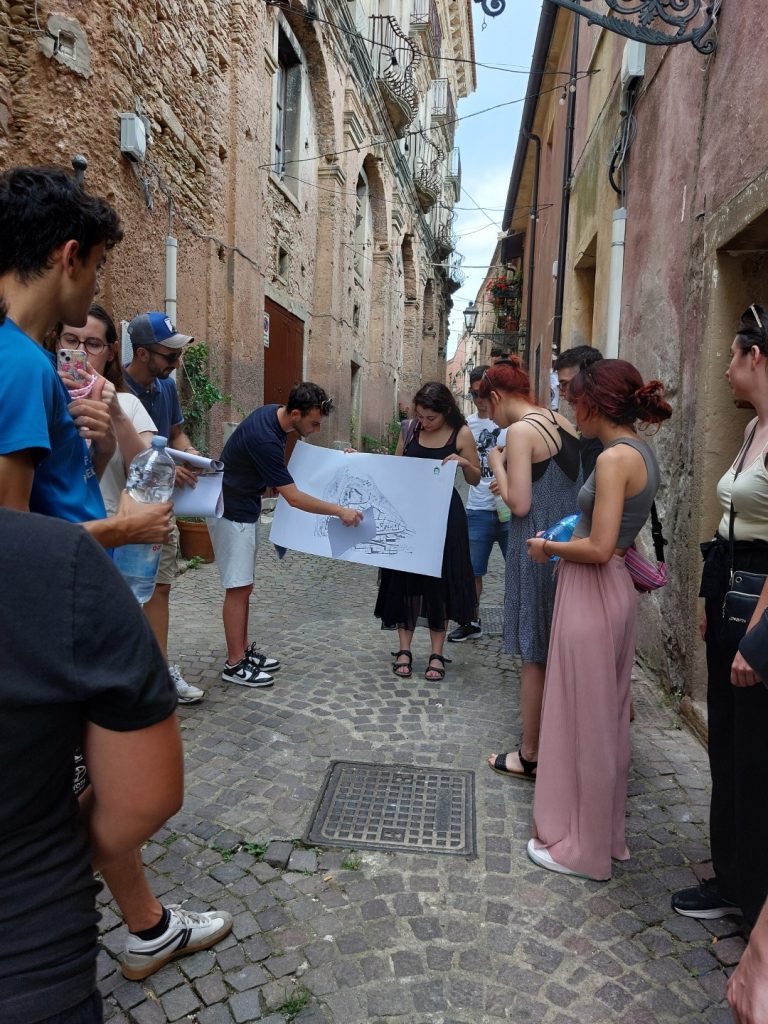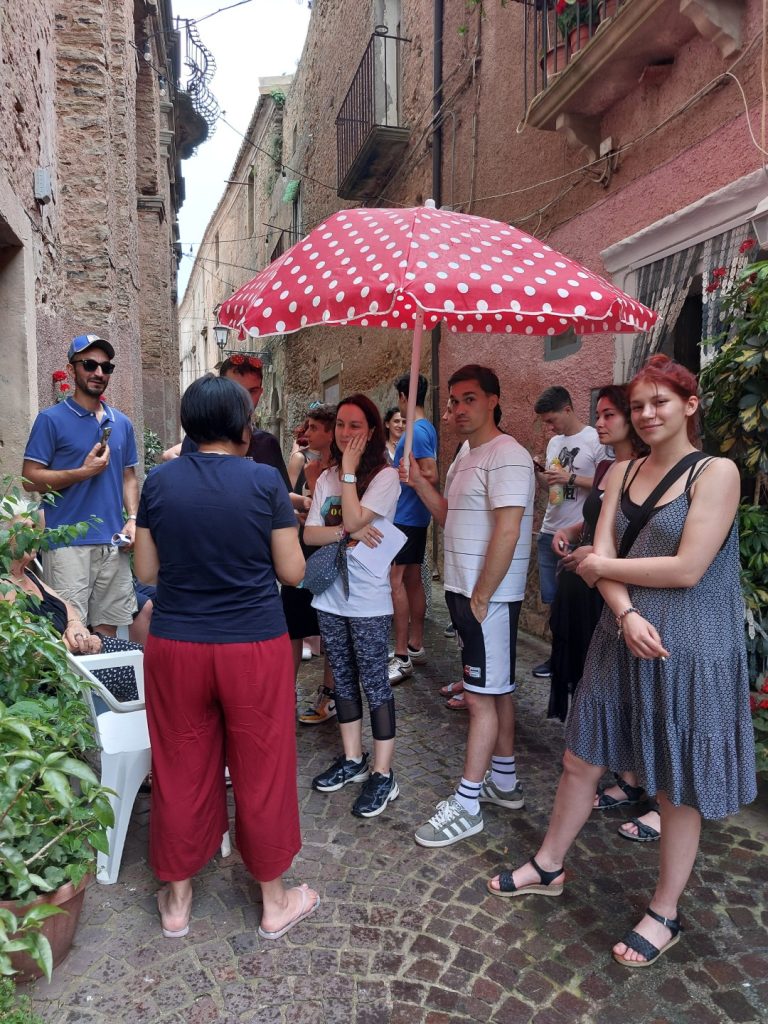
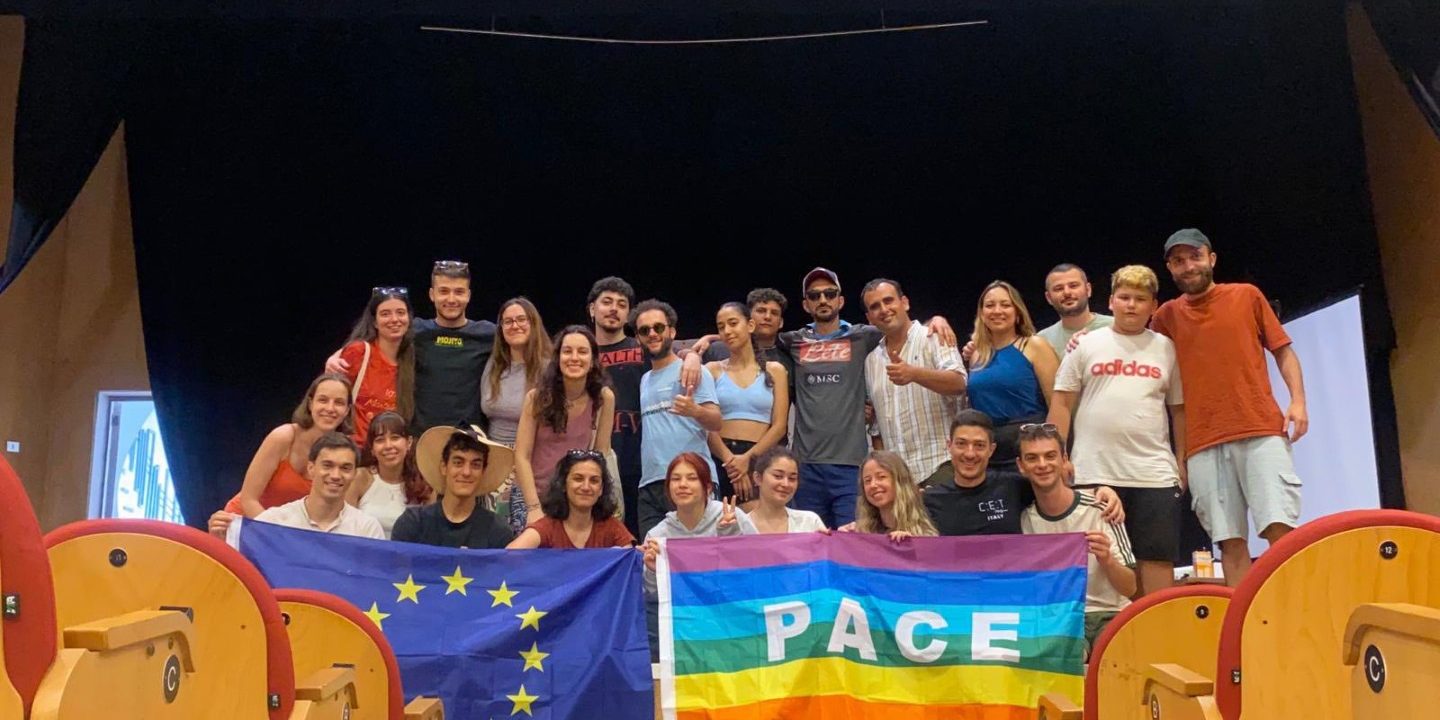
Between the 17th and 23rd of June 2025, a group of young people and youth workers from North Macedonia, Italy, and Spain gathered in the beautiful coastal town of Fuscaldo, Italy, for the international Urban Regeneration training course, part of the Erasmus+ KA2 project “Urban Regeneration.” This training acted as a crucial mid-point in the project, allowing participants to exchange experiences, refine their ideas, and strengthen the plans for revitalizing abandoned public spaces in their local communities.
The training began with ice-breaking and team-building activities, where participants got to know each other and laid the foundation for productive collaboration. Through the UR Dream Team sessions, participants mapped out all the stakeholders essential to a successful regeneration process: local authorities, neighborhood residents, environmental groups, and cultural organizations. By identifying who needs to be involved, the teams created a roadmap for inclusive, community-driven action.
Each team presented their progress and challenges so far. The Macedonian team shared the mapping of the park in Kumanovo and their initial community meetings, while Spain and Italy presented their local contexts and approaches. The teams used interactive methods — storytelling, creative visuals, and open discussions — to make their presentations dynamic and inspiring.
One of the core sessions, UR Vision Lab, invited participants to critically analyze their regeneration projects through four pillars:
- Physical: What tangible changes are needed in the space (furniture, lighting, art)?
- Social: Who will use the space and how can it be inclusive?
- Environmental: How can nature and sustainability be preserved (resource management, green spaces)?
- Economic: Can the space support long-term benefits like markets or events?
Using this framework, participants brainstormed and refined their ideas, ensuring that their projects align with sustainability, inclusion, and local impact.
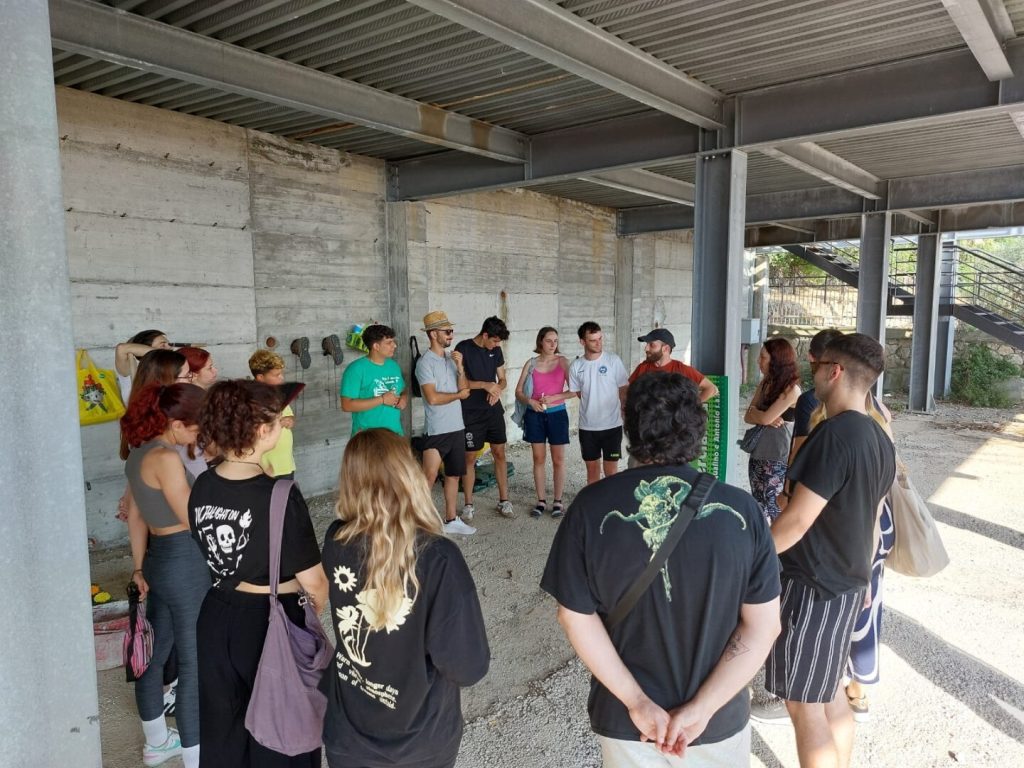
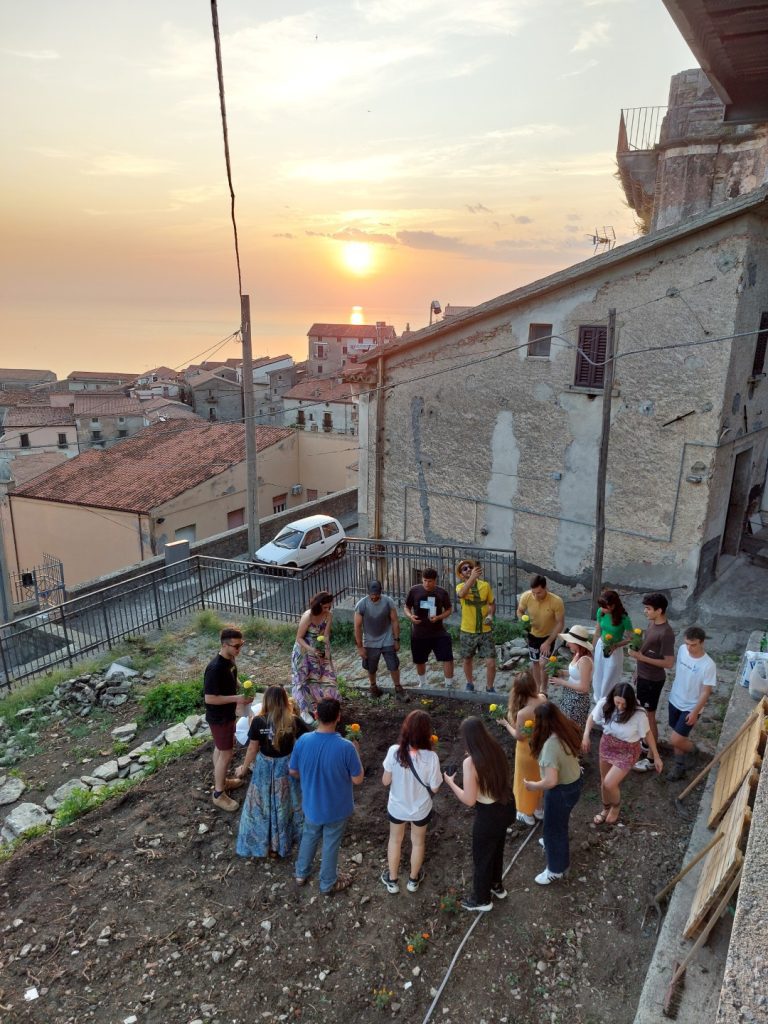
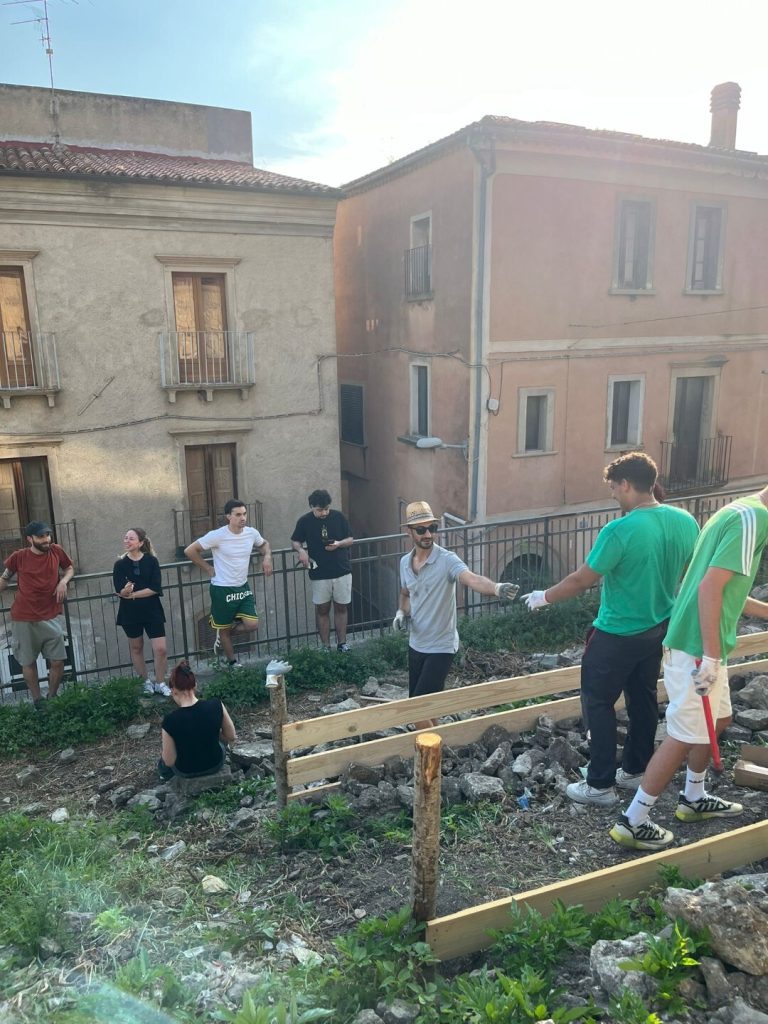
Theory met practice during a hands-on session at the Fuscaldo Urban Garden, a local good practice. There, participants worked together on gardening tasks, learning about sustainable urban gardening and community engagement firsthand. This activity helped them better understand how small-scale green projects can transform neglected spaces into vibrant, shared environments.
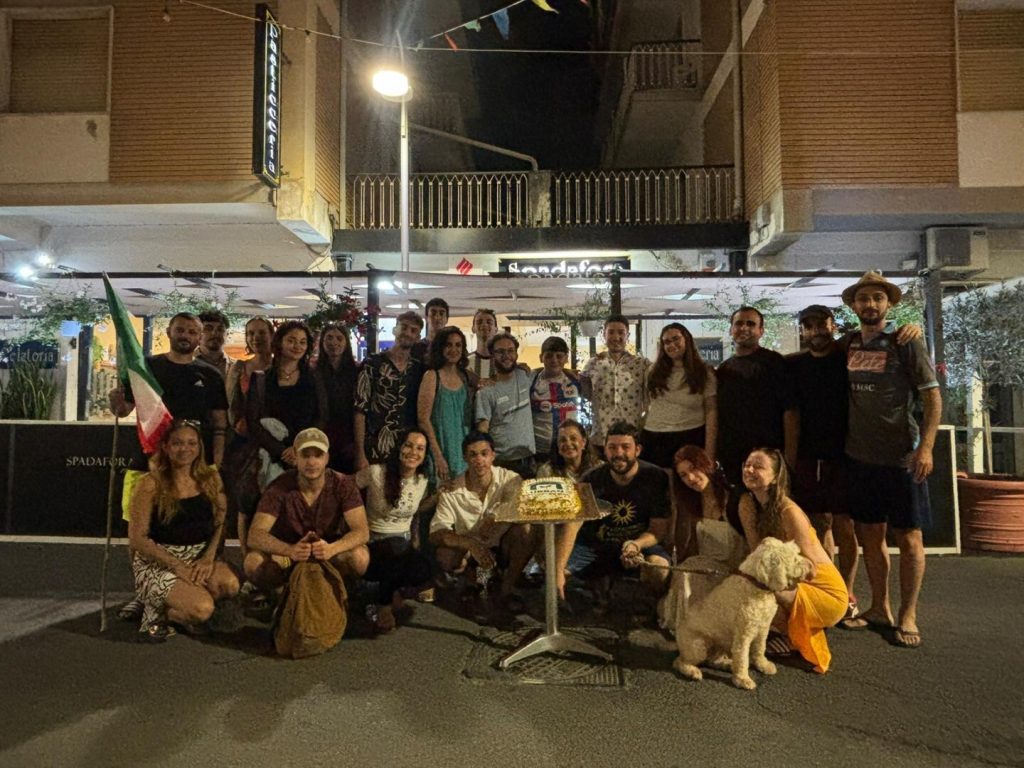
Evenings were filled with intercultural exchanges where food, traditions, and stories from the three countries came together in a warm, shared space of learning and fun. The energy, creativity, and commitment witnessed in Fuscaldo strengthened everyone’s motivation to return home and lead their local regeneration actions. The next months will see hands-on community actions, guided by the plans shaped in this training.