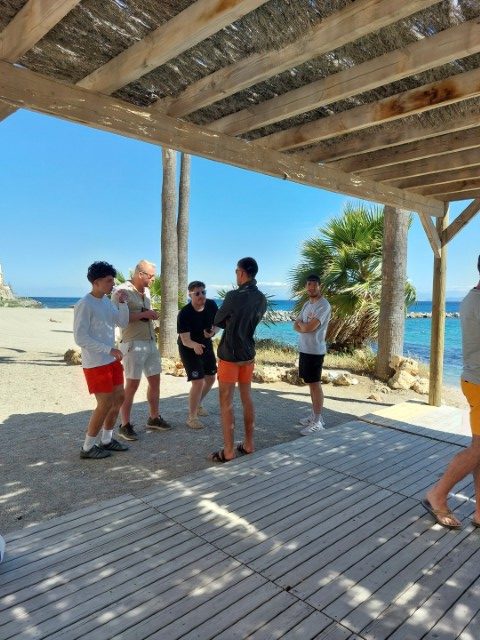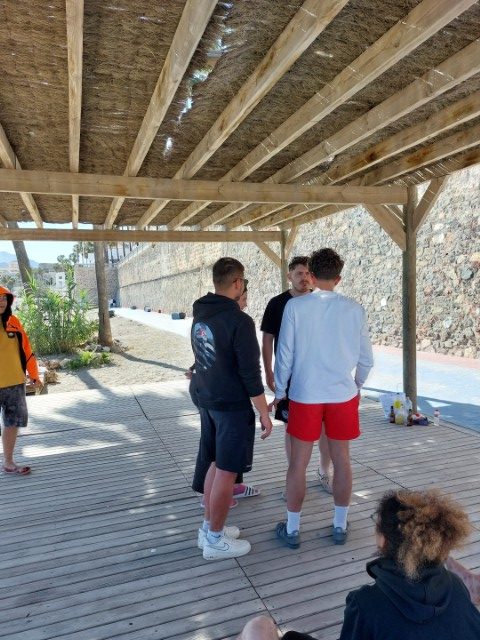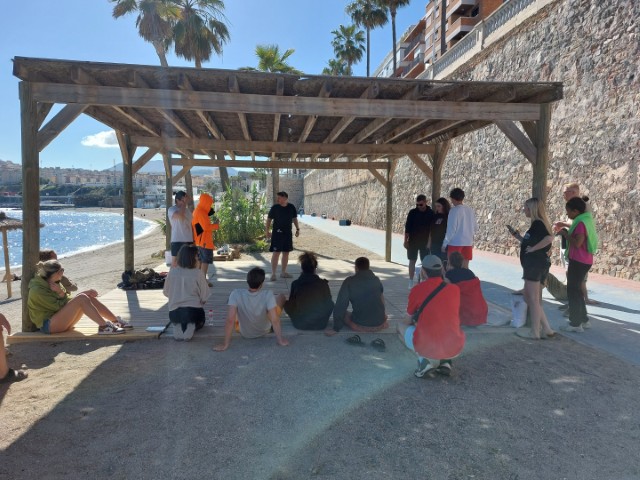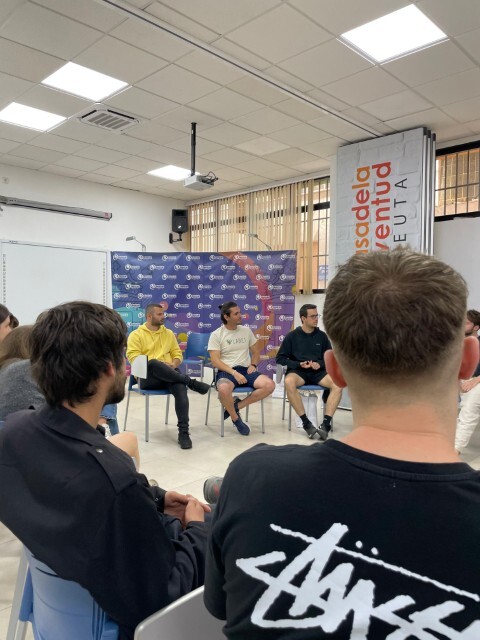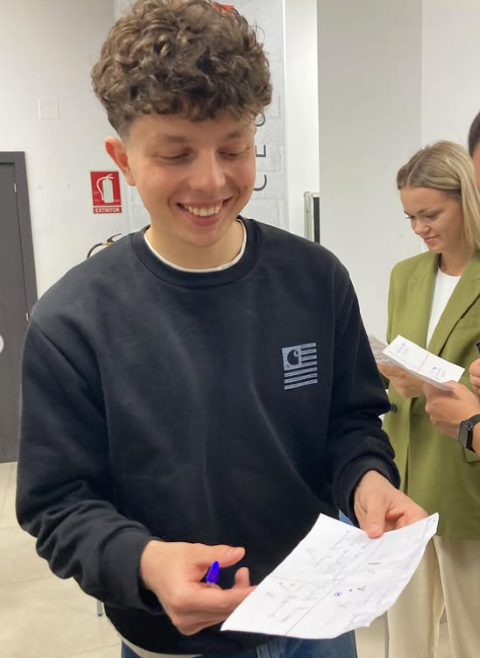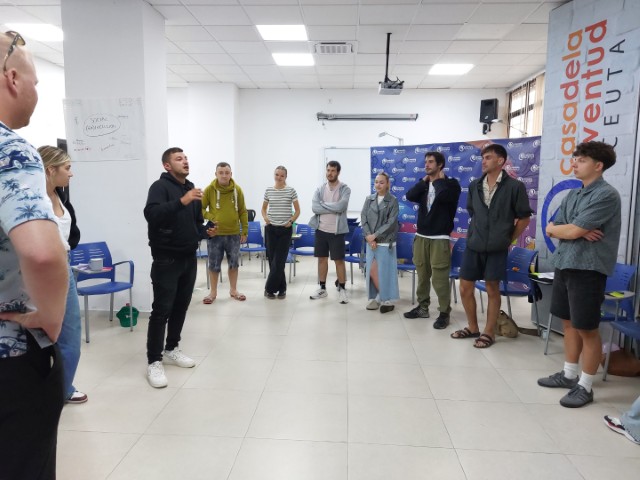
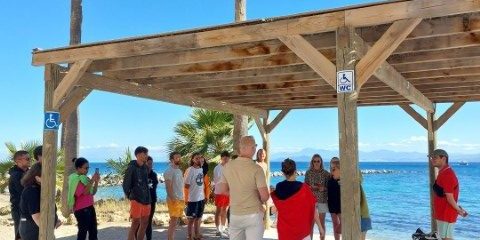
In May 2025, the border city of Ceuta, located at the intersection of Europe and Africa, became the backdrop of an Erasmus+ training course dedicated to inclusion, equity, and social change. The project “Increasing Quality of Youth Work: Vulnerable Youth in Focus 2.0” gathered youth workers and participants from 10 European countries to reflect, discuss, and collaborate on building stronger support structures for minority and marginalized youth.
The choice of Ceuta as the host city perfectly aligned with the project’s theme. With its unique geographic and political position — a Spanish enclave bordering Morocco — Ceuta faces ongoing challenges related to migration and integration. Through this context, participants explored social exclusion not as an abstract concept, but as a reality that affects thousands on a daily basis.
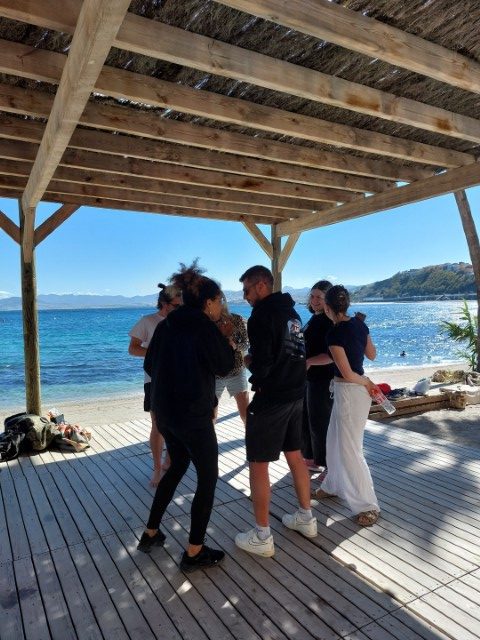
Throughout the week, the program combined theoretical input, experience sharing, and practical sessions. The goal: to better equip youth workers with tools and understanding to create inclusive, participatory spaces for all young people — especially those from minority backgrounds.
What We Did
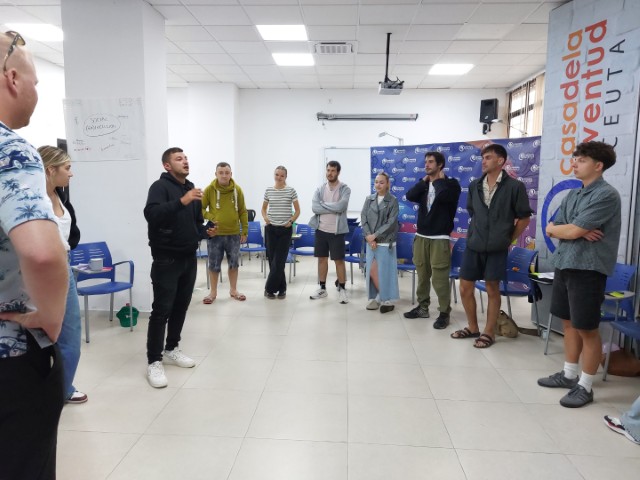
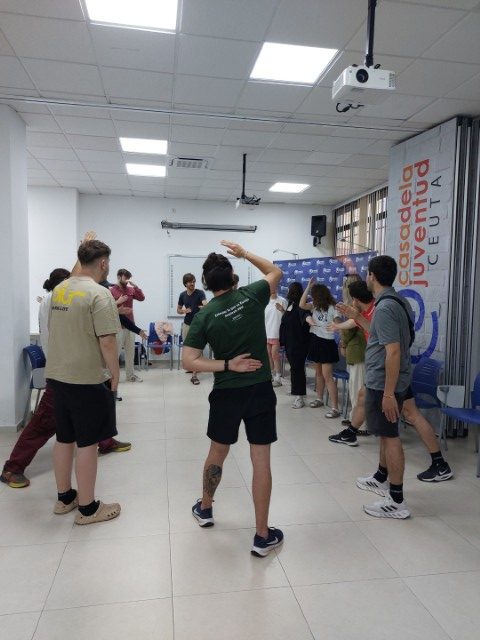
- Introductions & Icebreakers: We started by building trust and connections between participants, setting the tone for a supportive learning environment.
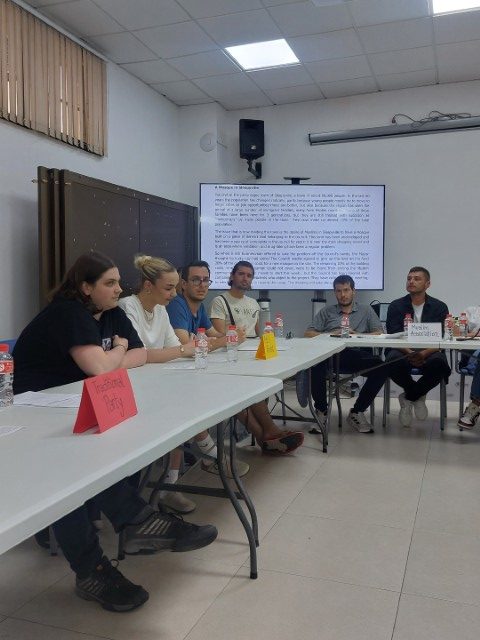
- Workshops on Identity & Inclusion: Participants explored national and European identity, personal values, and their role in shaping inclusive communities.
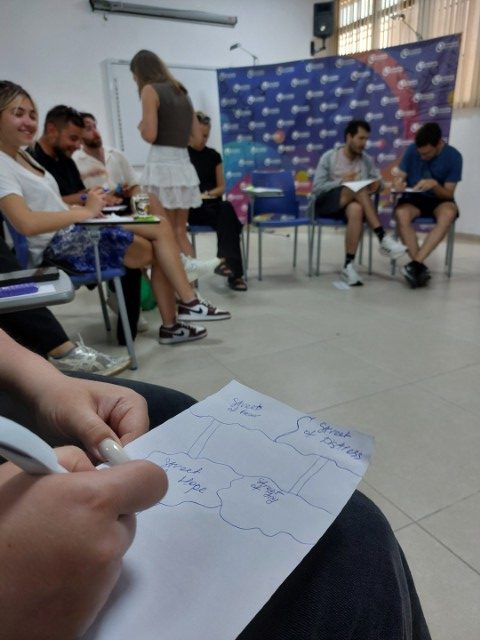
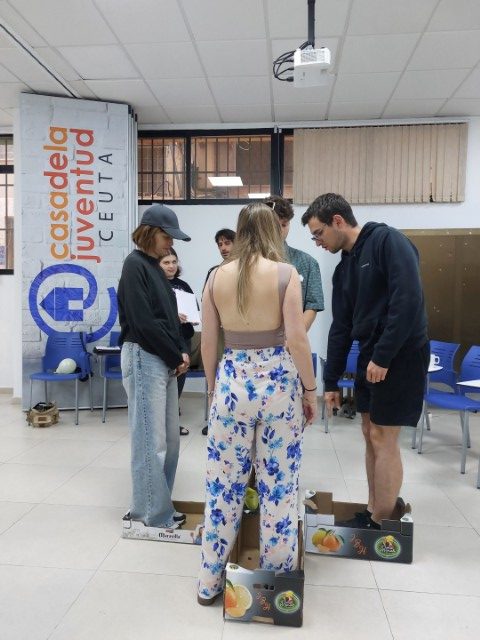
- Interactive Sessions: Topics such as minority rights, intercultural and interfaith dialogue, and youth participation were tackled through methods like theater, storytelling, and discussion.
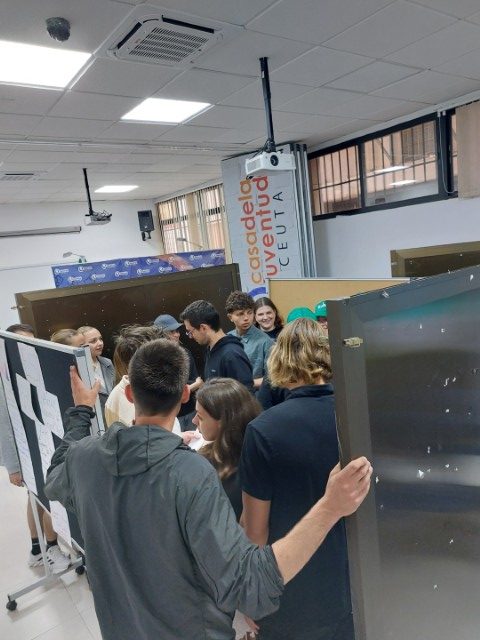
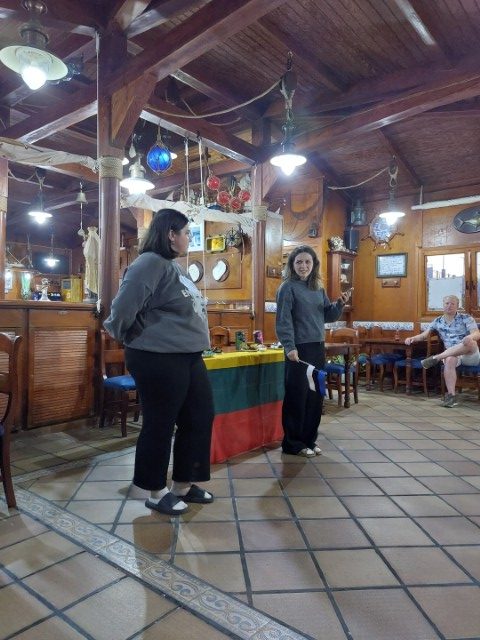
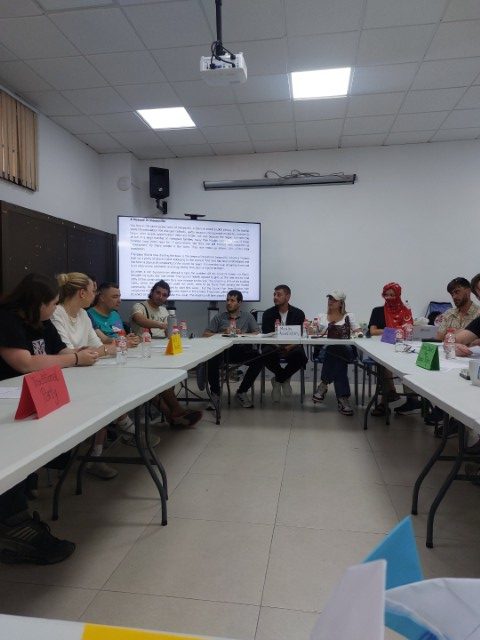
- Country Presentations: Teams shared the realities of minority-majority relations in their home countries, providing insight into the diverse European landscape.
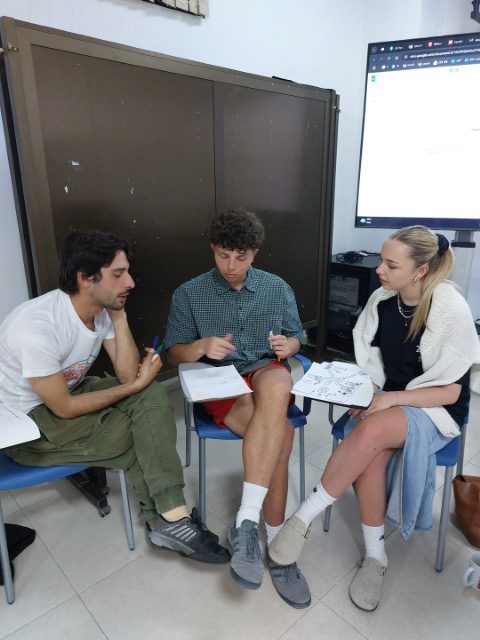
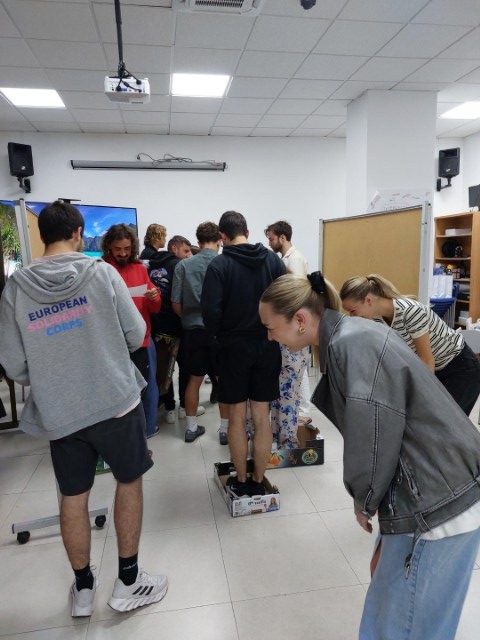
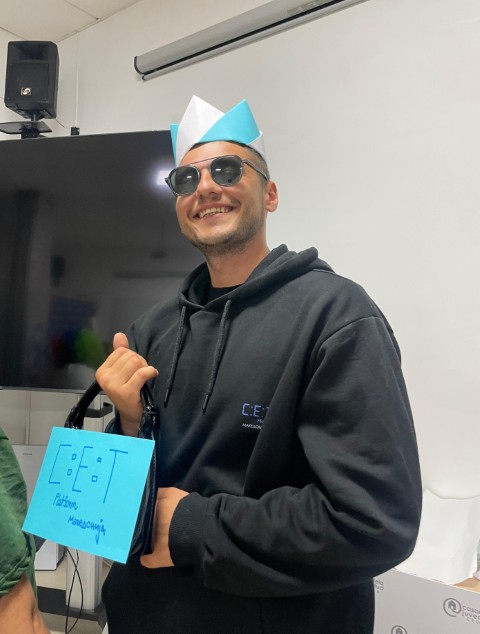
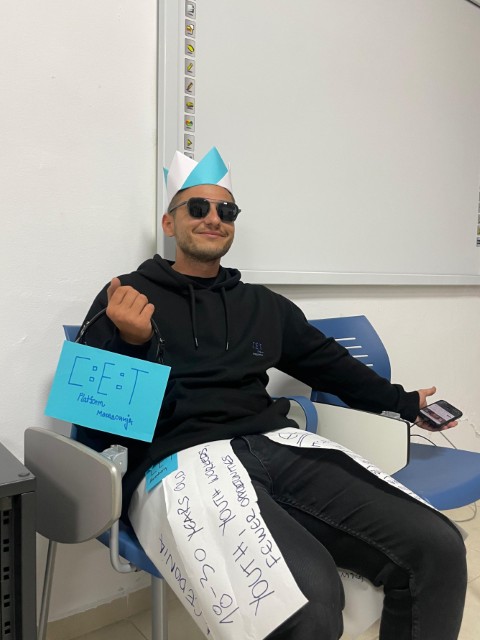
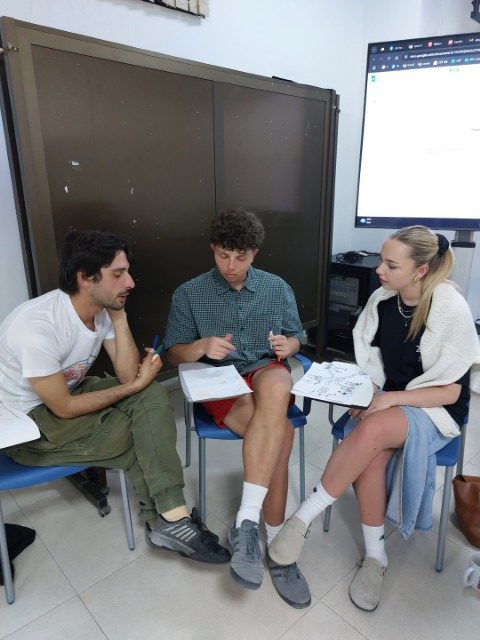
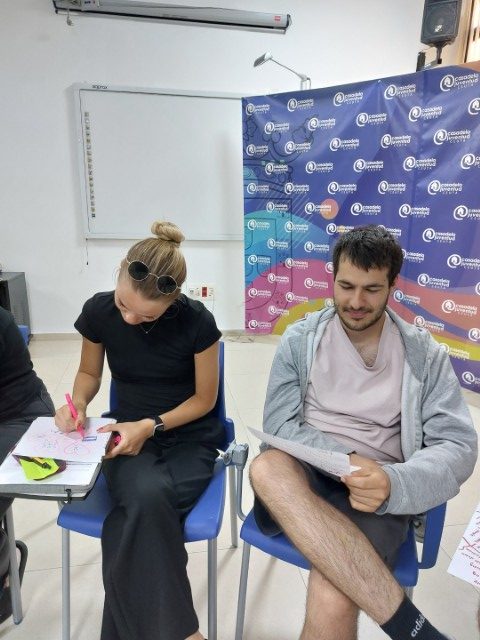
- Toolbox Creation: In small groups, we developed and facilitated non-formal educational workshops focused on minority youth inclusion — stepping into the role of trainers for the first time for many.
- Evaluation & Next Steps: We wrapped up with a strategic planning session to ensure the momentum from Ceuta continues through follow-up actions and local initiatives.
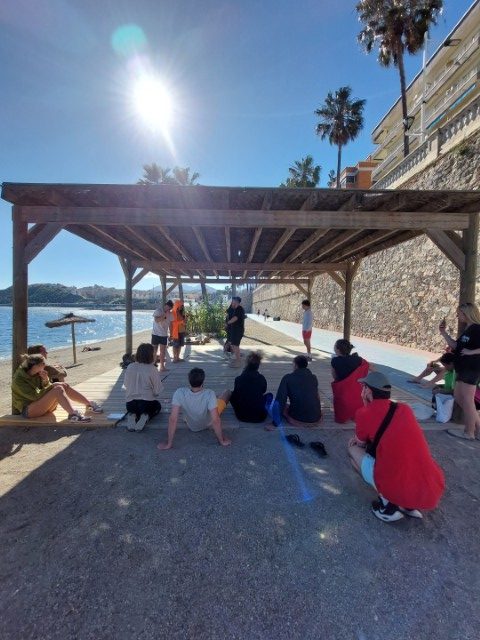
A major highlight was the Toolbox presentations, where each group took the lead in designing and delivering youth-focused workshops. These were evaluated not just by the trainers, but by fellow participants — providing valuable peer-to-peer feedback. This unique activity gave everyone the chance to experience the confidence, pressure, and creativity required in facilitation.
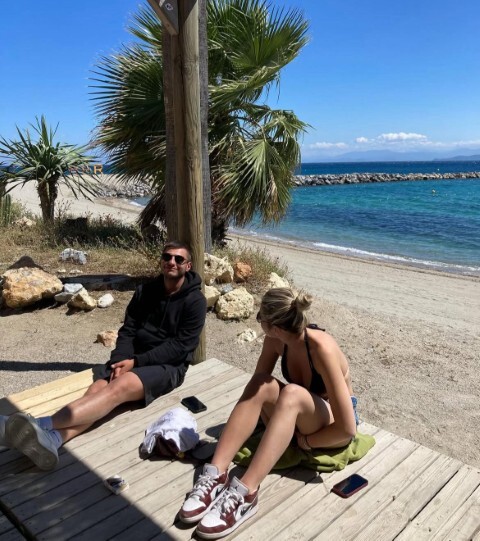
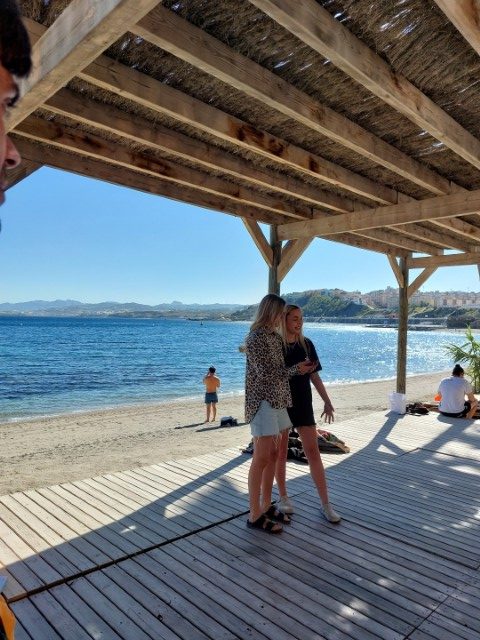
Evenings were filled with intercultural events, games, and informal bonding — helping participants to build friendships and deepen mutual understanding. The blend of sun, sea, culture, and shared purpose made the learning environment both enriching and unforgettable.
The training course in Ceuta left a lasting impression on everyone involved. It strengthened our capacity to design inclusive educational activities and deepened our awareness of the societal structures that shape exclusion and belonging. We left Ceuta with new skills, new connections, and renewed motivation to work for a more inclusive Europe — one project, one youth worker, one idea at a time.